Egypt Backs Saudi Arabia in Guarding the Red Sea: A New Signal for Global Shipping and Indonesia's Interests
Baca dalam 60 detik
- Presiden Mesir Abdel Fattah El-Sisi menyatakan dukungan terhadap inisiatif Arab Saudi untuk menjamin keamanan navigasi di Laut Merah.
- Pertemuan dengan Putra Mahkota Mohammed bin Salman di Kairo menandai konsolidasi poros kekuatan regional di kawasan strategis.
- Stabilitas Laut Merah krusial bagi Indonesia karena jalur ini menghubungkan Asia dengan Eropa dan memengaruhi biaya logistik serta harga energi domestik.
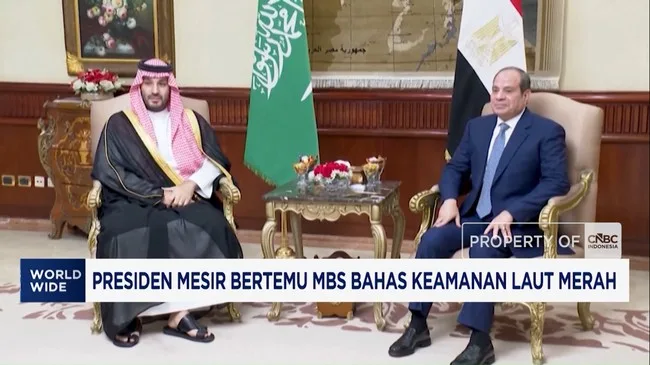
Egyptian President Abdel Fattah El-Sisi openly expressed support for Saudi Arabia's call to ensure the security and smooth flow of shipping in the Red Sea. The support was conveyed during a visit by Saudi Crown Prince Mohammed bin Salman (MBS) to Cairo, in a meeting that highlighted regional maritime security issues.
The move marks a strengthening of the Egypt–Saudi Arabia axis amid rising tensions along international shipping lanes. The Red Sea, which connects the Suez Canal with the Bab el-Mandeb Strait, is one of the world's busiest trade arteries. Disruption in this area directly affects global supply chains, including oil prices and shipping costs.
Egypt has a direct economic interest because the Suez Canal contributes significant foreign exchange to the country. Saudi Arabia, meanwhile, has an interest in securing its oil export route. El-Sisi's support for Riyadh's initiative reflects a collective effort by Arab states to reduce geopolitical risk in those waters, especially after attacks on commercial vessels by the Houthi group some time ago.
For Indonesia, stability in the Red Sea is not merely a Middle East issue. As an archipelagic country dependent on maritime trade, disruption along this route can raise the shipping costs of both imports and exports. Higher shipping insurance premiums and longer delivery times could push up domestic inflation, especially for energy commodities and industrial raw materials.
In addition, many Indonesian shipping companies send goods to Europe via the Red Sea–Suez route. If tensions continue, they may be forced to reroute via the Cape of Good Hope, which takes up to two weeks longer. The impact is felt in the competitiveness of Indonesian products in the European market, especially textiles, electronics, and palm oil.
"Egypt's support for Saudi Arabia is a signal that countries in the region want to take over responsibility for maritime security, without having to wait for intervention by external powers," said a regional security analyst who did not wish to be named.
The Cairo meeting can also be read as part of Saudi Arabia's efforts to normalize relations with various parties, including Iran, to create long-term stability. However, challenges remain: non-state militia groups still have the capacity to disrupt shipping. Without an inclusive political solution, Red Sea security will remain fragile.
Going forward, Indonesia needs to strengthen maritime diplomacy and explore cooperation with Gulf states to protect national shipping interests. Will ASEAN take a more active role in safeguarding this strategic trade route, or will it let regional dynamics be dominated by major powers?