Kemnaker Finalizes MagangHub 2026 Phase 2 Selection, 50,000 Seats Up for Grabs
Baca dalam 60 detik
- Kemnaker menuntaskan seleksi dan penetapan peserta Magang Nasional (MagangHub) 2026 Tahap 2 pada Rabu ini, dengan pengumuman dijadwalkan 18 September 2026.
- Program ini menyediakan kuota 50 ribu peserta per angkatan sebagai bagian dari target 150 ribu peserta sepanjang 2026, menyasar lulusan baru perguruan tinggi.
- Bagi dunia usaha, gelombang peserta magang ini berpotensi menjadi jalur rekrutmen murah sekaligus ujian kesiapan industri menyerap talenta muda.
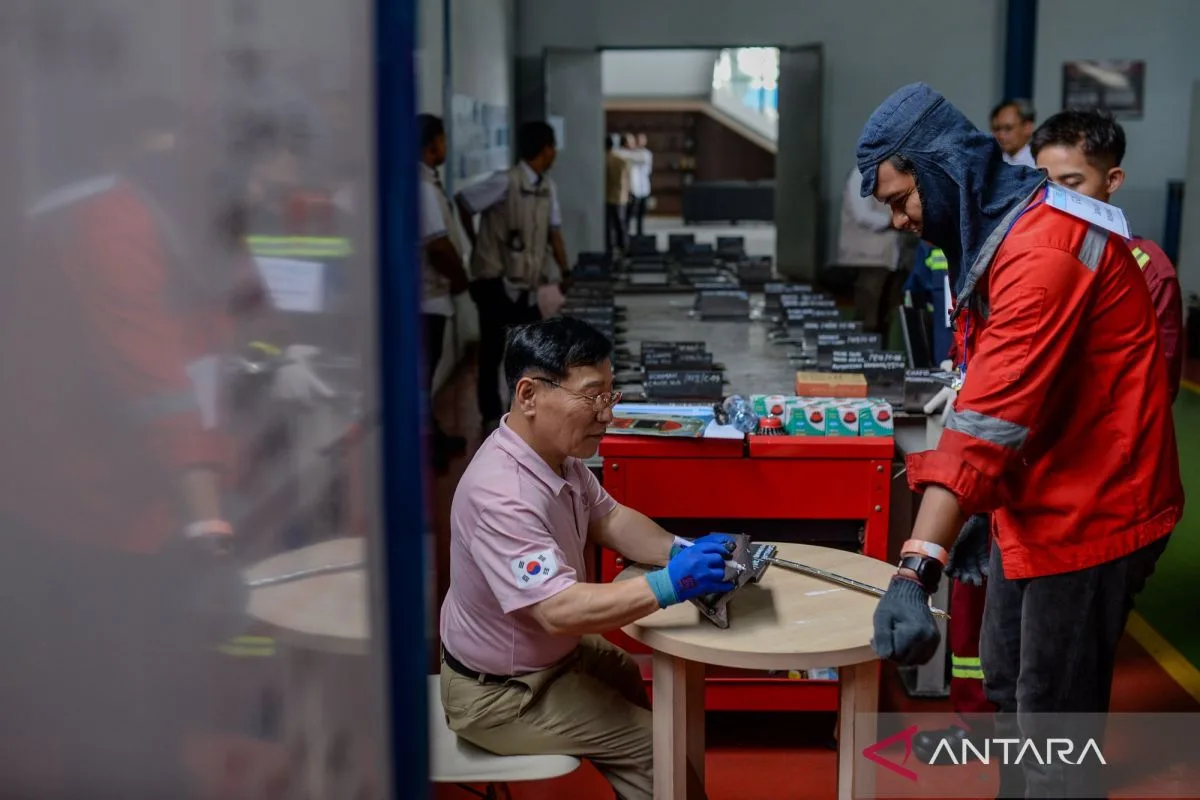
The Ministry of Manpower (Kemnaker) says the selection and determination process for participants of the 2026 National Internship Program (MagangHub) Phase 2 began on Wednesday, with participant announcements scheduled for 18 September 2026 and the effective internship period starting three days later, on 21 September 2026.
The Director General of Vocational Training and Productivity Development (Binalavotas) at Kemnaker, Darmawansyah, explained that the selection is carried out for candidates proposed by implementing partners in accordance with program rules. Those declared eligible will be placed in internship programs they previously selected.
The Phase 2 sequence itself has been rolling since late August. Registration for implementing partners and vacancies opened 21–31 August 2026, followed by verification and posting of vacancies on 1–3 September. Participant registration ran 3–8 September, then recruitment and partner proposals on 9–15 September, before entering the selection and determination stage by Kemnaker.
Darmawansyah stressed that the selection applies only to participants proposed by implementing partners, not to independent applicants. "The selection and determination of participants is carried out for participants who have been proposed by implementing partners in accordance with program rules," he said.
Once determined, participants declared successful will begin their internships on 21 September 2026.
The program is designed to bridge new university graduates into the world of work. Over six months, participants receive mentor guidance, an understanding of workplace culture, strengthening of technical and non-technical competencies, and the building of portfolios and professional networks. Official information can be accessed at maganghub.kemnaker.go.id.
For Indonesia's labor market, MagangHub 2026 is an important instrument amid the high open unemployment rate among university graduates. With a quota of 50,000 per batch and a target of 150,000 over the year, the program has the potential to narrow the gap between graduate competencies and industry needs. However, its effectiveness depends heavily on the quality of implementing partners and the relevance of placements to participants' fields of study.
From the business side, this wave of interns offers two sides. On one hand, companies gain access to young talent at relatively low cost and the opportunity to shape them according to organizational needs. On the other hand, there is a risk the program becomes merely an administrative formality if mentors are unprepared or workloads are unstructured. Companies that are serious can turn MagangHub into a long-term recruitment pipeline, while those merely fulfilling obligations risk wasting the quota.
The government aims for this program to not only absorb unemployment figures but also strengthen the link and match between campuses and industry. The success of the second phase will be an indicator of whether the national internship model can continue as a permanent policy or is merely a seasonal response to labor market pressure.
The critical question: after 150,000 participants graduate at the end of 2026, how many will actually be absorbed into permanent employment, and to what extent are implementing partners evaluated on those outcomes?