Japan to Charge Helicopter Fees for Off-Season Mount Fuji Climbers
Baca dalam 60 detik
- Pemerintah Prefektur Yamanashi akan membebankan biaya evakuasi helikopter bagi pendaki Gunung Fuji di luar musim resmi mulai tahun depan.
- Langkah ini menyusul lonjakan pendakian tak terencana yang berujung pada operasi penyelamatan darurat.
- Kebijakan serupa di Prefektur Saitama menjadi acuan, sementara Shizuoka memilih sanksi administratif tanpa tarif helikopter.
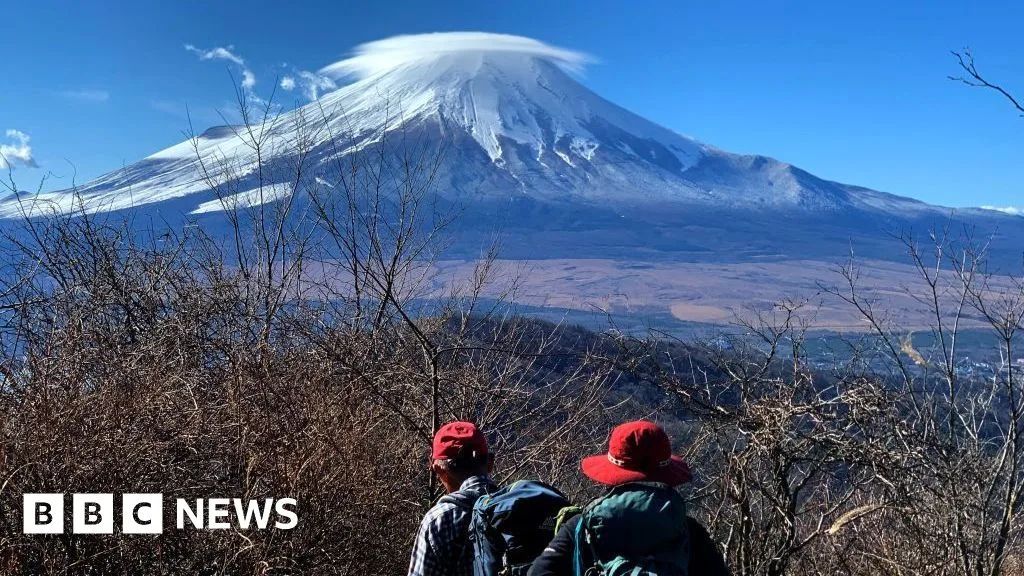
Climbers who insist on conquering Mount Fuji outside the official season will be charged helicopter evacuation fees by the authorities of Yamanashi Prefecture, Japan, starting next year. The policy is the first of its kind in the region and targets those who ignore extreme weather warnings and are poorly prepared.
The decision was announced by Yamanashi Governor Kotaro Nagasaki on Monday (10/2), as part of a regulatory package to curb illegal climbing. In addition to evacuation costs, off-season climbers—the season runs from early September to July—must submit a detailed climbing plan. The move follows repeated deployments of search and rescue teams by local authorities to save stranded climbers.
For reference, Saitama Prefecture has already imposed a similar fee for other mountainous areas: 8,000 yen (about Rp850 thousand) per five minutes of helicopter operation. Yamanashi has not detailed the fee amount, but is expected to adopt the same scheme. Meanwhile, Shizuoka Prefecture, which manages the southern side of Fuji, has chosen a different path—it will impose sanctions on climbers who fail to register, without charging helicopter fees.
The Yamanashi government stressed that weather and trail conditions outside the season are far more severe. "We ask the general public to refrain from off-season climbing. We hope this step makes people think twice about what it is like to climb Mount Fuji in winter," said Governor Nagasaki. The statement implies that safety, not merely a levy, is the basis of the policy.
The phenomenon of off-season climbing has indeed increased in recent years. Data from Yamanashi and Shizuoka authorities show a rise in the number of unplanned climbers, some of whom had to be evacuated after getting lost or caught in storms. The situation is worsened by the lack of supporting facilities, such as closed huts and toilets, so the risk of hypothermia and accidents rises drastically.
"We do not want any more climbers who underestimate winter terrain. The evacuation fee is a logical consequence of risky actions," said a prefectural official who declined to be named.
For Indonesian climbers who often scale mountains such as Semeru, Rinjani, or Kerinci, this policy can serve as a mirror. In Indonesia, off-season climbing is also high-risk, but there is no mechanism for reimbursing evacuation costs. Some national parks do require registration and permits, but sanctions for violators remain weak. If Japan implements progressive fees, it is not impossible that other countries will follow suit, including Indonesia, especially for mountains with high visitor numbers.
In the long term, Mount Fuji could become an example of stricter governance of extreme tourism. However, the policy has also drawn criticism: some climbers consider the helicopter fee too expensive and say it could deter experienced climbers who still want to climb off-season with thorough preparation. The Yamanashi government argues that public safety is the priority, and the fee is only charged to those who need emergency evacuation.
Going forward, the question is: will Yamanashi's move effectively curb illegal climbing, or will it simply shift the problem to other prefectures that do not impose fees? What is clear is that Mount Fuji is no longer just an icon, but a laboratory for high-risk tourism policy that deserves close attention.