Duterte on Trial at the ICC: Between Cognitive Decline and Crimes Against Humanity Charges
Baca dalam 60 detik
- Mantan Presiden Filipina Rodrigo Duterte akan menjalani sidang penilaian kesehatan di ICC untuk menentukan kelayakannya menghadapi tuduhan kejahatan terhadap kemanusiaan.
- Pengacara Duterte mengklaim klien mereka mengalami penurunan kognitif, sementara jaksa ICC menuntut akuntabilitas atas kebijakan perang narkoba yang menewaskan ribuan orang.
- Keputusan pengadilan atas kondisi kesehatan Duterte akan menentukan apakah persidangan tetap dimulai November mendatang atau ditunda, dengan implikasi bagi preseden hukum internasional dan hubungan ASEAN.
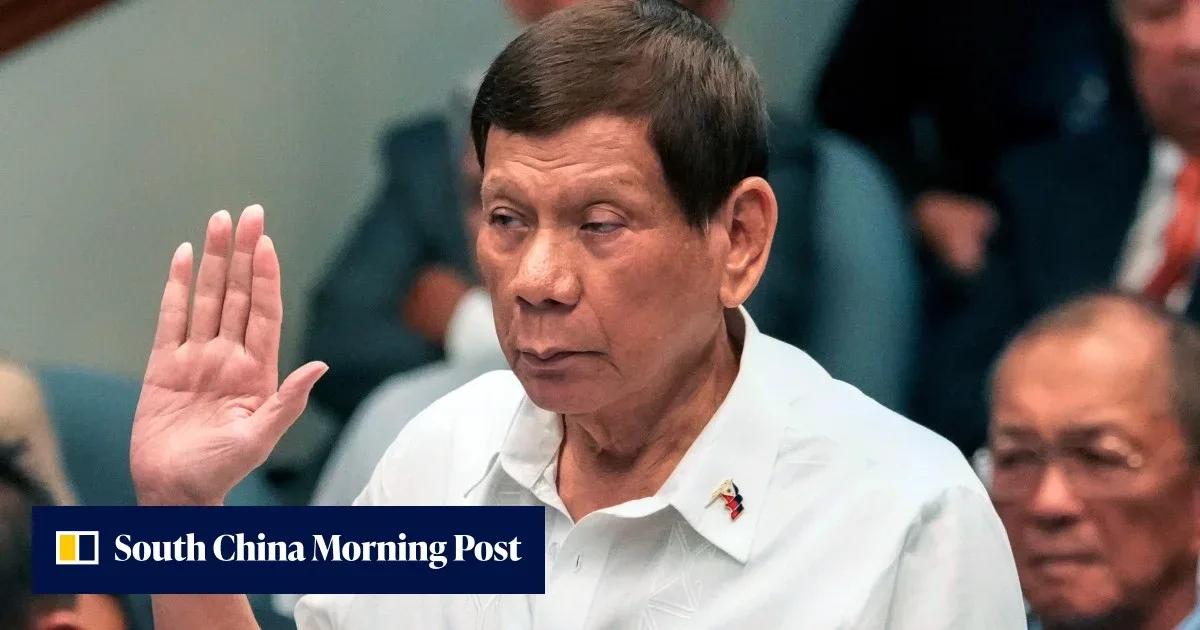
Former Philippine President Rodrigo Duterte will face a health assessment hearing at the International Criminal Court (ICC) this Wednesday, a crucial moment that will determine whether he is able to stand trial on charges of crimes against humanity related to his controversial drug war. Duterte, 81, was arrested and taken to The Hague in March 2025, and his main trial is scheduled to begin this November.
Duterte's lawyers argue that their client is experiencing cognitive decline and is not healthy enough to take part in legal proceedings. However, ICC prosecutors reject that claim, citing a court-ordered medical assessment. Documents released Tuesday on the ICC website show reactions from both sides to the assessment results, which have not been widely published. Wednesday's hearing will hear arguments on Duterte's health and his fitness to stand trial, a procedure that is rare in the history of international justice.
Duterte served as Philippine president from 2016 to 2022 and was known for his hardline anti-drug campaign. The policy targeted drug dealers and users, with allegations of extrajudicial killings that left thousands dead. The ICC accuses him of creating, funding, and arming death squads to carry out the operations. The case is a test of the ICC's jurisdiction over a state that has withdrawn from the Rome Statute, as the Philippines formally left the membership in 2019.
For Indonesia, this case highlights the complexity of bilateral relations with the Philippines and the implications for ASEAN cooperation in law enforcement and human rights. As fellow ASEAN member states, Indonesia has a strategic interest in ensuring regional stability and respecting the principle of non-intervention, but it also faces international pressure to support accountability. Duterte's drug war policy was once in the spotlight in Indonesia, where some praised his firm approach while others criticized human rights violations. This case could influence how ASEAN countries balance national sovereignty with international norms.
"This health assessment is not merely a medical formality, but also a legal battle that will determine whether Duterte can be tried or released on health grounds," said an international law analyst monitoring the case.
If the court decides Duterte is unfit to stand trial, the proceedings could be postponed or even canceled, potentially disappointing victims and human rights activists. Conversely, if he is declared healthy, the legal process will continue and become an important precedent for other leaders involved in similar crimes. The decision will also affect public perception of the ICC, which is often criticized for being seen as targeting only leaders from developing countries.
The current Philippine government, under President Ferdinand Marcos Jr., has not yet issued an official comment on the latest developments. However, the case continues to spark domestic debate about Duterte's legacy and whether justice can be upheld through international channels. Meanwhile, victims' groups and families continue to demand accountability, hoping the ICC can deliver the justice that has been difficult to obtain at the national level.
With Wednesday's hearing set to determine the next steps, the world waits to see whether the ICC will force Duterte to face the serious charges or release him on health grounds. The big question: will justice for the victims of the Philippine drug war be realized, or will age and health conditions become a shield for impunity?