War Alarms Reach Makkah, Bab el-Mandeb Becomes New Critical Point for Global Energy
Baca dalam 60 detik
- Arab Saudi sempat mengaktifkan peringatan keamanan di Makkah dan Jeddah sebelum dicabut, menandai pertama kalinya kota suci itu masuk radar ancaman selama konflik berlangsung.
- Penguasaan Houthi atas pesisir barat Yaman mengancam Bab el-Mandeb, memaksa Saudi mengalihkan ekspor minyak ke Pipa East-West yang kini lumpuh.
- Harga Brent menembus US$108 per barel dan solar AS mencetak rekor, sementara Indonesia menghadapi tekanan baru pada subsidi energi dan defisit APBN.
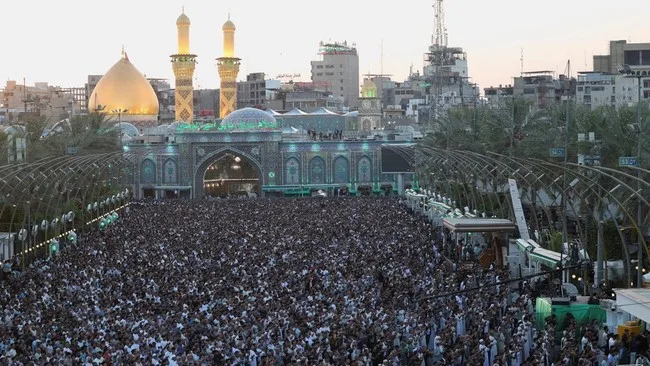
Saudi Arabia activated security warning sirens in the Holy City of Makkah and Jeddah for the first time on Tuesday (15/9/2026), before lifting the alarm shortly afterward. Riyadh's authorities have not confirmed whether any projectile actually reached its territory, and so far no party has claimed responsibility. Although brief, the scope of this warning was wider than before and marked a new escalation in a regional war that has dragged in Iran and the United States for seven months.
What makes the situation different is not merely the alarm in Makkah, but the shift of the battlefield to the south. The Iran-allied Houthi group over the past week has taken control of almost the entire western coastline of Yemen on the Red Sea, including the historic port of Mocha and an island at the mouth of the sea. They now stand directly in front of Bab el-Mandeb, the narrow strait that serves as the gateway for shipping between the Red Sea and the Gulf of Aden — a route that has long been the backbone of global energy trade.
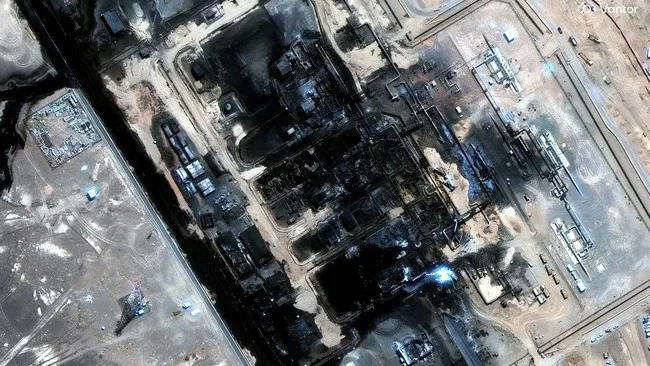
For Riyadh, this threat comes from two directions at once. The Strait of Hormuz on the eastern side is already almost unreliable because ship traffic has shrunk drastically due to the war. Saudi Arabia has therefore diverted most of its oil exports to the 1,200-kilometer East-West Pipeline that cuts across the desert toward the Red Sea. However, the pipeline has been crippled since Friday's attack, which Riyadh blames on an Iraq-based pro-Iran group. US Energy Secretary Chris Wright said oil flows through the pipeline are expected to recover within days, but traders warn that a prolonged shutdown could cut global supply by up to 4%.
The impact was immediately felt in the market. Brent futures broke through US$108 per barrel, while US retail diesel prices — a politically sensitive indicator — set a new record. At the UN Security Council, US Deputy Ambassador Jennifer Locetta said the Houthi advance near Bab el-Mandeb threatens global energy security and urged an end to arms and funding supplies from Iran. Saudi Ambassador to the UN Abdulaziz Alwasil accused the Houthi militia of "militarizing international straits to extort the global economy."
"The Houthis' new presence at Bab el-Mandeb could further endanger that important export route," warned oil traders, describing how fragile Saudi Arabia's alternative route is.
Washington is now in a difficult position. After bombarding the Houthis for two months last year, the US must choose between allowing the threat to the global economy to grow or giving greater military support to Saudi Arabia — with the risk of being dragged into a costly new battlefield. So far US assistance has been limited to intelligence support, although Crown Prince Mohammed bin Salman called President Donald Trump last week to request military support. Mohammed also met US regional military commander Admiral Brad Cooper in Jeddah, and Egyptian President Abdel Fattah al-Sisi in Cairo, where both leaders stressed the importance of freedom of navigation in Bab el-Mandeb and the Red Sea.
Indonesian Context
For Indonesia, this escalation is not a distant event. As an importer of crude oil and refined fuels, a rise in Brent above US$108 per barrel will spill over into domestic fuel prices, logistics costs, and ultimately inflation. The government faces a fiscal dilemma: holding down selling prices to protect purchasing power means energy subsidies and compensation swell, while letting prices rise risks suppressing household consumption. In addition, about 40% of Indonesia's maritime trade to Europe and the Middle East passes through the Red Sea and Bab el-Mandeb; a prolonged disruption could lengthen shipping times, raise cargo insurance premiums, and threaten exports of CPO, textiles, and manufactured products. For investors, the energy and commodities sectors may benefit in the short term, but pressure on government bonds and the rupiah could loom.
The question ahead: if the Houthis truly lock down Bab el-Mandeb, will the world witness a large-scale military intervention that drags in more countries, or instead emergency negotiations that sacrifice some of Riyadh's interests? The answer will determine the direction of oil prices — and Indonesia's budget — for the rest of the year.