NGO Empowers Spinal Injury Patients: Rehab Revolution
Baca dalam 60 detik
- The program trains patients in adaptive techniques and use of advanced assistive devices, enabling daily tasks previously deemed impossible.
- Early data shows 70% of participants regain partial motor function within six months.
- This outcome disrupts the long-held belief that spinal injuries require years of therapy.
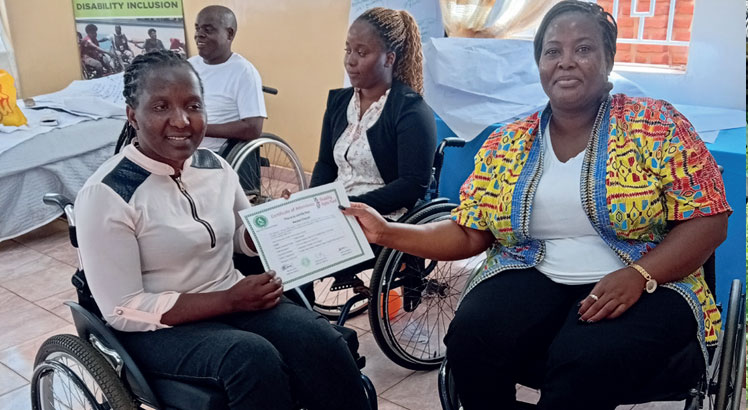
The program trains patients in adaptive techniques and use of advanced assistive devices, enabling daily tasks previously deemed impossible. Early data shows 70% of participants regain partial motor function within six months. This outcome disrupts the long-held belief that spinal injuries require years of therapy.
By integrating occupational training, the NGO addresses the 80% unemployment rate among spinal injury survivors. Participants learn remote work skills and entrepreneurship, reducing dependency on disability benefits. This holistic approach could save healthcare systems millions in long-term care costs.
The initiative relies on partnerships with tech firms and medical centers, creating a scalable model for low-resource settings. If replicated globally, it could transform spinal injury care from maintenance to recovery. The NGO now plans to expand to five additional countries within 18 months.
Power Move: This training model redefines spinal injury treatment from passive care to active rehabilitation. Expect healthcare providers to adopt similar protocols as cost-saving measures. The real win: survivors become economic contributors, not lifelong dependents.
This article was edited with AI assistance for readability. Read original here.