Juan Mata Retires at 38, Closing a Career Full of Trophies and an Intellectual Legacy on the Pitch
Baca dalam 60 detik
- Juan Mata mengumumkan gantung sepatu pada Rabu (18/11/2026) setelah musim terakhirnya bersama Melbourne Victory berbuah medali Johnny Warren.
- Gelandang Spanyol itu meninggalkan sepak bola dengan koleksi Piala Dunia, Euro, Liga Champions, dan Liga Europa—salah satu palmares terlengkap di generasinya.
- Keputusan ini membuka babak baru sebagai salah satu pemilik dan ketua komite sepak bola Melbourne Victory, sekaligus menandai berakhirnya era gelandang klasik di Premier League.
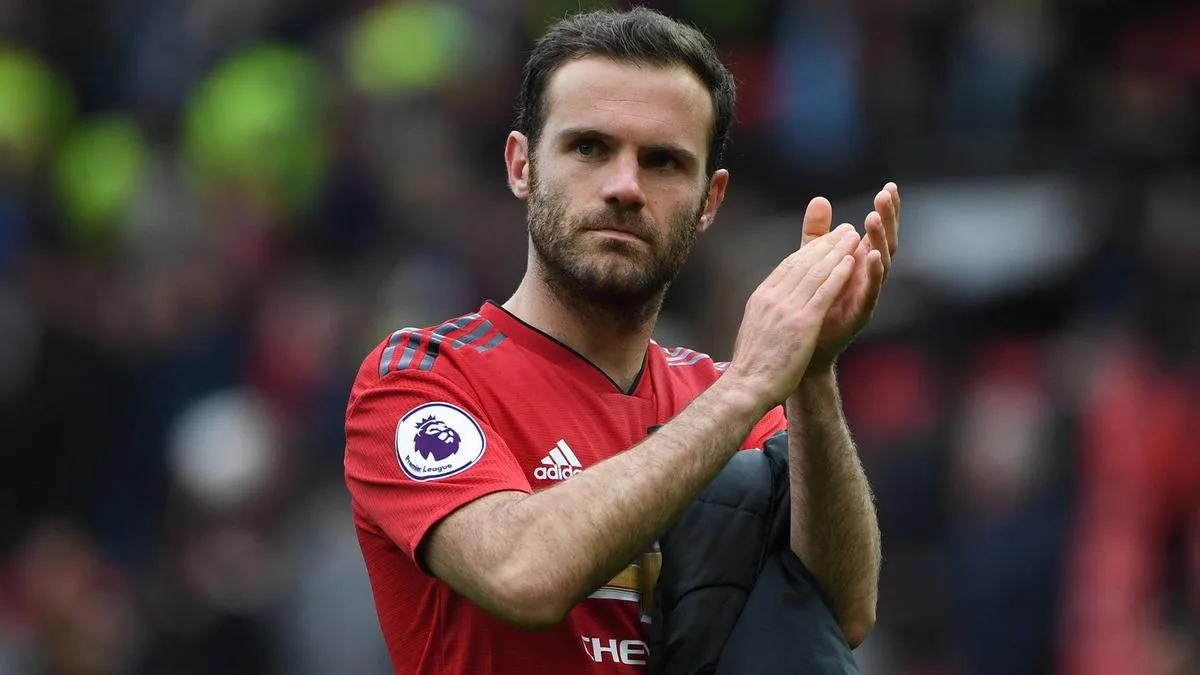
Juan Mata has ended his professional journey as a footballer at the age of 38. The announcement was made on Wednesday (18/11/2026) through his personal social media account, accompanied by a short sentence that suggested acceptance: love for football sometimes means having to let it go. The decision closes a career of nearly two decades that was not only rich in trophies but also came to mark the playing style of a creative midfielder who is increasingly rare in modern football.
Mata last played for Melbourne Victory in Australia's A-League in the 2025/2026 season. Although no longer young, he impressed with five goals and 13 assists—a record that earned him the Johnny Warren Medal, the prestigious award for the competition's best player. After the season ended, he chose to deepen his involvement at the club, not as a player but as part of the ownership group and chairman of Melbourne Victory's football committee.
The retirement decision had in fact been in the air since he did not extend his contract as a player. Even so, the official announcement remained a moment of reflection for the football public, especially in England, where he spent his best decade. Before going to Australia, Mata had played for Western Sydney Wanderers, Galatasaray in Turkey, and Vissel Kobe in Japan—a trail showing that he refused to wind down his career slowly in Europe's top leagues.
Mata's greatest achievement at international level came when he was part of the Spain squad that won the 2010 World Cup in South Africa. Two years later, he also scored in the 4-0 win over Italy in the Euro 2012 final. At club level, he immediately experienced a Champions League title in his first season with Chelsea (2011/2012) before moving to Manchester United three years later and adding to his collection of domestic trophies and the Europa League.
"Sometimes, to love ... we have to let go. Thank you, football." — Juan Mata, via social media.
For fans in Indonesia, Mata is a familiar name. He is the type of all-round midfielder often cited in tactical discussions on Indonesian football forums, especially when discussing the role of the playmaker in European leagues. His time at Chelsea and Manchester United made him a familiar figure on Indonesian screens in the 2010s, when live Premier League broadcasts were a routine part of Indonesian football consumption. His retirement decision also drew reactions from fan communities on social media, with many recalling his actions as a representation of intelligent play that did not rely on physicality alone.
What set Mata apart from many footballers of his generation was the consistency of his intelligence on the pitch. He was never the fastest or strongest player, but his ability to read space and choose passes kept him at the highest level into his thirties. After leaving Manchester United in 2022, he was at one point considered finished, yet he proved that adapting to different leagues—Turkey, Japan, Australia—could still be done with the same quality.
The decision to move into a club ownership seat shows that Mata has not entirely left football. His role at Melbourne Victory as chairman of the football committee will test his abilities on the managerial side, something rarely done by active players in the Australian league. This step could set a precedent for other footballers who want to remain involved at a club after hanging up their boots, without having to become a coach right away.
With a palmares that includes the World Cup, the Euros, the Champions League, and league titles in three different countries, Mata deserves to be remembered as one of the most accomplished Spanish midfielders of his generation. The question now: will he pursue a career as a football administrator, or return to the pitch as a coach later on? The football public will be waiting for his next step.