CVS Health Splits Up: Spinning Off 9,000 Pharmacies, Shares Plunge 12%
Baca dalam 60 detik
- CVS Health berencana memisahkan bisnis apotek ritel dari lini asuransi dan PBM paling lambat semester I 2028.
- Langkah ini membalik akuisisi Aetna senilai US$78 miliar dan membongkar konglomerasi kesehatan yang dibangun sejak 2018.
- Pasar merespons negatif dengan penurunan saham dua digit, meski manajemen mengklaim keputusan diambil dari posisi kuat.
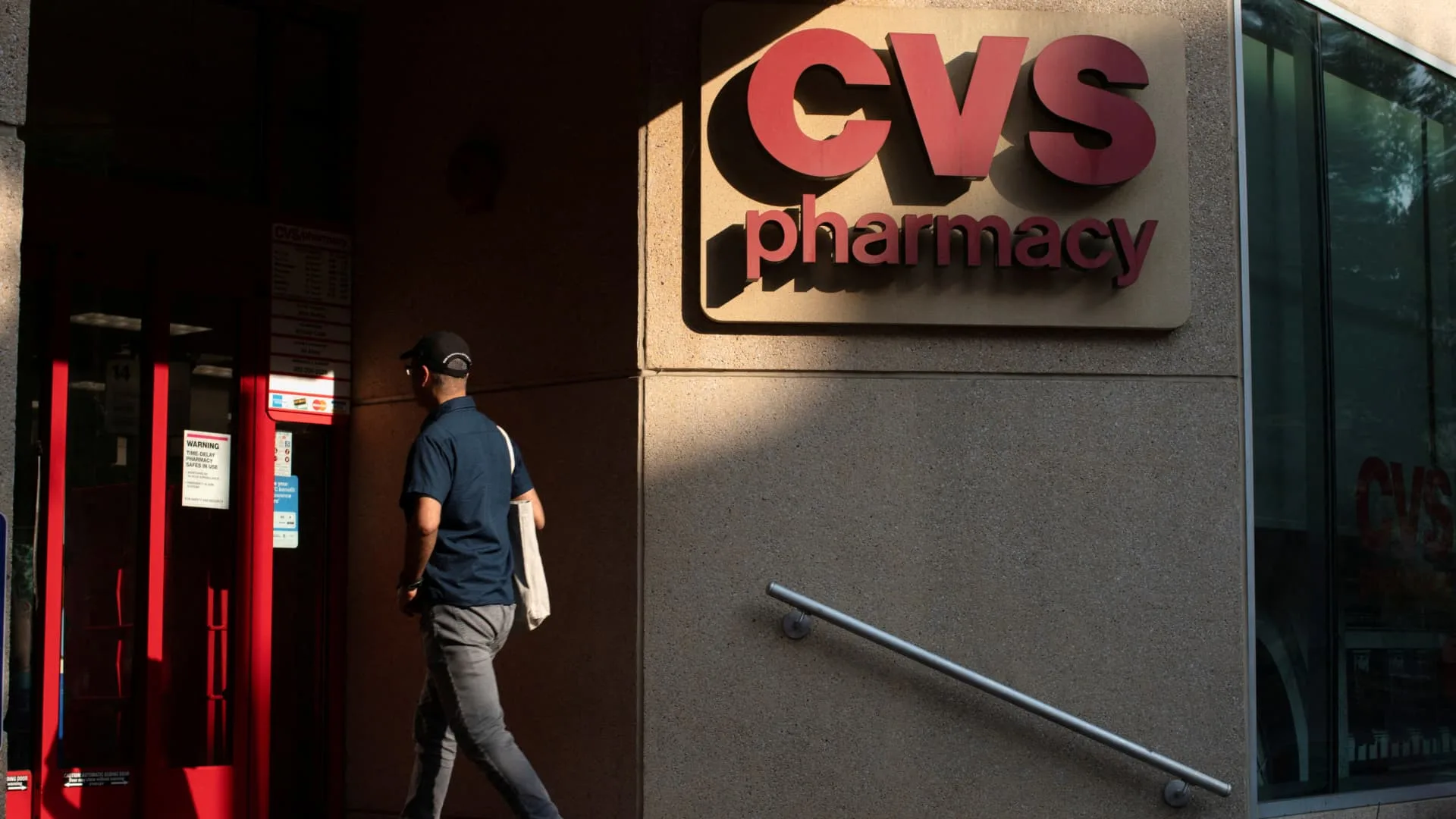
US healthcare giant CVS Health announced plans to split into two publicly traded companies in the first half of 2028. The decision effectively reverses the vertical integration strategy built through its US$78 billion acquisition of Aetna in 2018. The market reaction was harsh: CVS shares closed down more than 12% on the day of the announcement, reflecting investor doubts about the short-term value of the separation.
The split will separate about 9,000 CVS retail pharmacies from the health insurance and pharmacy benefit manager (PBM) business Caremark—one of the three largest PBMs in the United States. The insurance and PBM entity will keep the CVS Health name and be led by CEO David Joyner, while the pharmacy business will become CVS Pharmacy under Prem Shah, currently group president of CVS Health. Existing shareholders will own shares in both companies.
Joyner stressed that the decision was made "from a position of strength," citing the recovery of Aetna's Medicare business and solid retail pharmacy performance. He also said synergies between the pharmacy and the PBM will be preserved through commercial agreements, so operational integration is no longer necessary. However, several analysts see the move as also driven by regulatory pressure on the company's vertical integration model.
"This business is far different than what was being considered three, five or ten years ago, when pharmacies faced various hurdles that were difficult to overcome," said Leerink Partners analyst Michael Cherny, as quoted by CNBC.
Cherny added that the separation shows the stability of the pharmacy business, which has taken market share from competitors and seen gross margins stabilize thanks to CostVantage—a new pharmacy reimbursement model CVS introduced last year and claims is more transparent. Still, investors are watching whether the retail pharmacies will lose a competitive edge by no longer being directly connected to the PBM that negotiates drug prices and manages prescription benefits for insurers and employers.
On the other hand, PBMs are facing increased bipartisan scrutiny in Washington and various states. Republican lawmakers in Tennessee and Arkansas have passed laws banning joint ownership between PBMs and pharmacies—rules now being challenged in court by CVS and other companies. Criticism of PBMs includes opaque pricing practices, growing market power, and potential conflicts of interest when a PBM is owned by a company that also operates insurance and pharmacies.
For Indonesia, the CVS move could serve as a mirror for the domestic health industry, which is beginning to move toward service integration. Conglomerates such as Grup Lippo through Siloam Hospitals, or state-owned pharmaceutical firm Bio Farma, are expanding their ecosystems from upstream to downstream. Unlike CVS, however, integration in Indonesia is still at an early stage and has not faced regulatory pressure as strong as in the US. Observers say the CVS separation confirms that vertical integration does not always guarantee efficiency, especially when business and regulatory interests collide.
Looking ahead, the question is whether the separation will truly create two more agile and innovative entities, or instead sacrifice the synergies that have been CVS's selling point. With a 2028 deadline, the market will keep a close eye on the details of the commercial agreements between CVS Health and CVS Pharmacy, and on how regulators respond to the new structure. If successful, the move could become a blueprint for other healthcare companies caught in the vertical integration dilemma.