Carla Lockhart Quits DUP, Northern Ireland's Largest Unionist Party Loses MP
Baca dalam 60 detik
- Anggota Parlemen Upper Bann, Carla Lockhart, mengundurkan diri dari DUP karena menilai respons partai terhadap krisis Drumcree tidak tegas.
- DUP kini hanya menyisakan empat anggota parlemen, memicu spekulasi melemahnya posisi Gavin Robinson menjelang pemilihan Majelis Irlandia Utara.
- Partai unionis lain, TUV, langsung menyambut Lockhart dan menyebut perpecahan ini sebagai peluang konsolidasi suara anti-Sinn Féin.
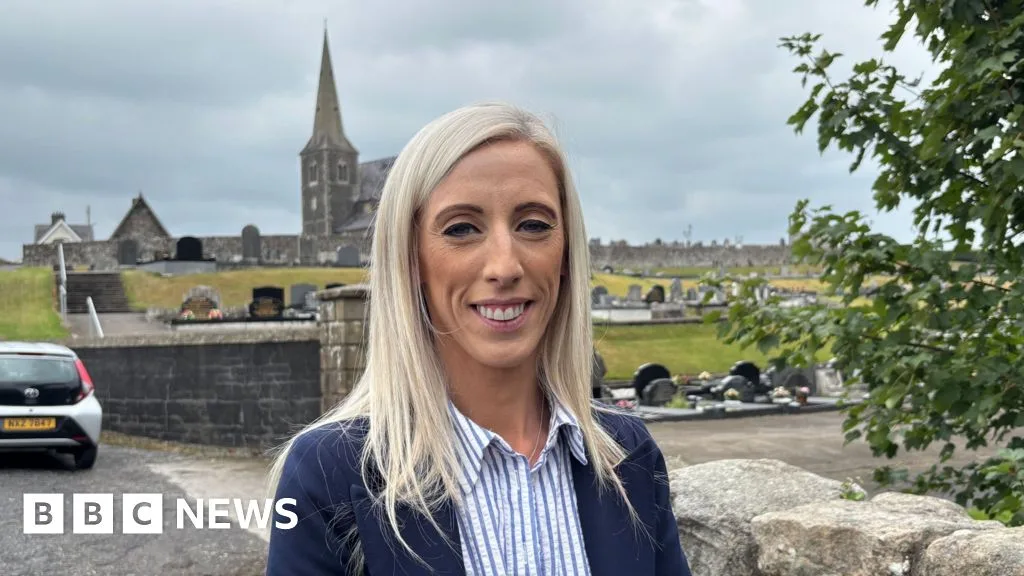
Member of Parliament for Upper Bann, Carla Lockhart, formally left the Democratic Unionist Party (DUP) on Monday (local time). The decision came after she concluded that her party had failed to deliver adequate political consequences for Sinn Féin's involvement in a protest that blocked an Orange Order parade on Garvaghy Road, Portadown, County Armagh.
Lockhart, who had been pressing the DUP leadership for weeks, demanded that the party withdraw the Stormont Deputy First Minister from his post. The move was intended to force First Minister Michelle O'Neill—also a Sinn Féin politician—out of the joint office. However, the request was ignored by the DUP leadership under Gavin Robinson.
In a statement posted on Facebook, Lockhart described her decision as "a sad day and a very personal decision", but stressed that resigning from the DUP was a matter of principle. "I could not stand by while Sinn Féin deliberately ignored the rule of law and the significant consequences that were promised never materialised," she said. She also stated that she would continue to work for the people of Upper Bann as an independent unionist MP.
The political crisis stems from unionist anger over Sinn Féin's involvement in a protest that blocked the Orange Order parade from passing through Garvaghy Road, an area predominantly inhabited by nationalists. O'Neill and several senior Sinn Féin figures have been questioned by police over the demonstration, and unionists accuse the party of acting unlawfully. O'Neill herself defended her actions, saying it was "the right thing to do".
The DUP, which shares power with Sinn Féin in Northern Ireland's devolved government, announced last week that it would block official engagements involving O'Neill. However, Lockhart deemed that step insufficient. In an open letter to party colleagues, she called withdrawal "the only credible option" and described the incremental response as "an insult to those who have trusted us".
"We regret Carla Lockhart's decision to resign from the Democratic Unionist Party. We thank her for her service and acknowledge her hard work for the people of Upper Bann. The only party to benefit from further division within unionism is Sinn Féin," the DUP said in an official statement.
Traditional Unionist Voice (TUV) leader Jim Allister welcomed Lockhart's move. He said he had resigned from the DUP almost 20 years ago and understood how difficult the decision was. "For an honest politician, principle matters more than position. The DUP's preference for 'O'Neill Must Stay' made them choose Michelle O'Neill over Carla Lockhart. No wonder their electoral base is beginning to leave the party," Allister said. He also said he was ready to work with Lockhart and called it "a day of hope for unionism".
Northern Ireland political analysts see Lockhart's departure as a severe blow to Robinson. Although Lockhart has support from Portadown Orangemen and some unionists, Robinson has the full backing of the party's senior ranks and assembly members. He was able to withstand Lockhart's demands because he holds a majority. However, refusing to bring down the executive without an agreed budget and risking blame for the nurses' pay dispute is not a bet he wanted to take.
As a result, the DUP has now lost one MP and has only four seats left in the House of Commons. Yet the party once had ten MPs. Pressure on Robinson to restore public trust is mounting because the Assembly election is only seven months away. Two previous elections have reduced the DUP's seat count, and now the party has lost a seat between election periods.
The question is whether this split within unionism will stop with Lockhart, or whether it signals a broader political realignment in Northern Ireland. With an increasingly fragmented political landscape, the DUP's ability to maintain internal cohesion will determine the direction of the devolved government in the coming months.