Seven Bomb Threats on European Flights: False Alarms, but a Real Test for Aviation Security
Baca dalam 60 detik
- Tujuh penerbangan di Eropa menerima ancaman bom dalam sehari, memicu pengalihan rute dan penundaan.
- Otoritas mengonfirmasi seluruh ancaman sebagai alarm palsu, namun insiden ini mengungkap kerentanan prosedur darurat.
- Indonesia didorong memperkuat protokol serupa di tengah meningkatnya lalu lintas udara dan ancaman global.
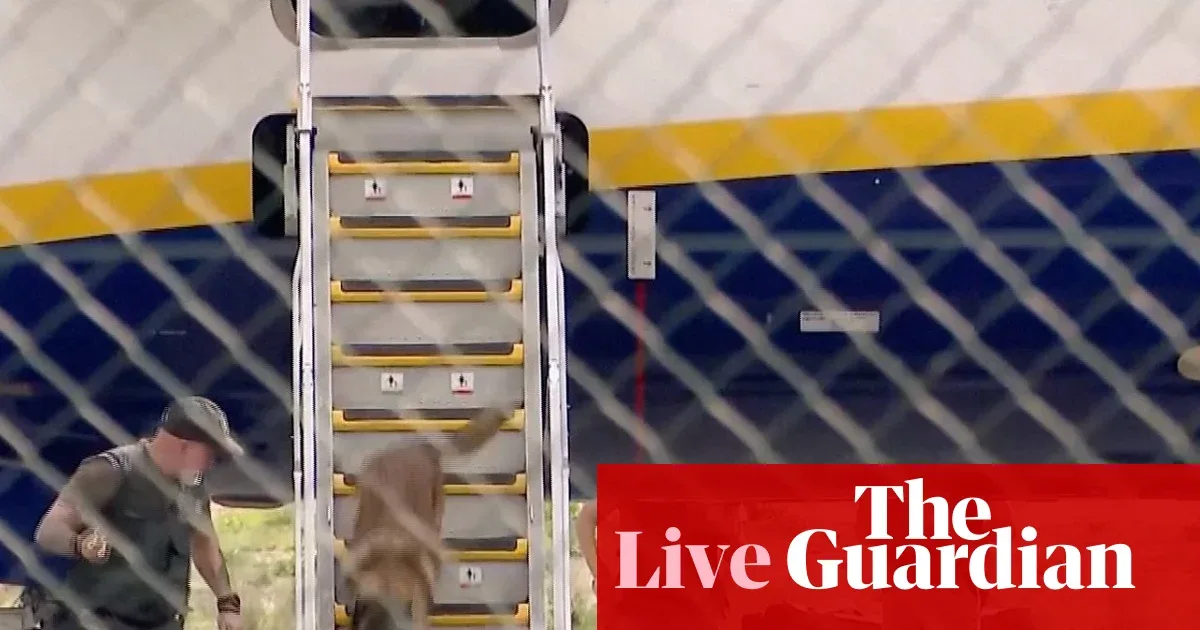
Seven commercial flights in Europe reportedly received bomb threats within less than 24 hours on Monday (3/11/2026), forcing several aircraft to change course and make emergency landings at alternative airports. All threats were later confirmed to be false alarms, but the simultaneous incidents drew the attention of civil aviation authorities and raised questions about the effectiveness of security protocols in the region.
The affected airlines included LOT Polish Airlines, SAS, Ryanair, and WizzAir. A LOT flight from London Heathrow to Warsaw was diverted to Modlin Airport, while an SAS aircraft from Copenhagen to Warsaw also received a similar threat. Ryanair reported three separate incidents: the Manchester–Murcia, Lisbon–Rome, and Dublin–Rome routes, plus one Dublin–Sofia flight. A WizzAir flight from Bergamo to Sofia completed the list. Although there was no explosion or casualties, the sudden diversions caused schedule disruptions and considerable operational costs.
The pattern of threats spread across various countries—the UK, Denmark, Portugal, Ireland, Italy, Spain, and Poland—shows that the perpetrators did not target a single airline or route. Instead, the action targeted the system as a whole, forcing airports and airlines to activate emergency procedures simultaneously. According to aviation security observers, such incidents are often used to test response readiness and create public panic, although the exact motive has not been disclosed by authorities.
Although they ended without fatal incidents, the series of threats shows that European airports still face challenges in distinguishing real threats from false disruptions. Evacuation procedures and re-inspection of aircraft take time, manpower, and money. On the other hand, the authorities' rapid response deserves appreciation for being able to confirm the alarm status within hours, not days.
"False bomb threats remain a serious criminal offense and disrupt aviation safety. We are increasing vigilance at all airports," said a spokesperson for the European civil aviation authority, as quoted from an official statement.
For Indonesia, this incident is a reminder that aviation security is not solely a domestic matter. With air traffic continuing to grow—especially at hubs such as Jakarta, Surabaya, and Bali—response protocols for similar threats need to be tested periodically. Collaboration between airlines, airport authorities, and security personnel is key to preventing unnecessary panic without sacrificing vigilance.
Going forward, the question that arises is whether Europe will tighten regulations on threat reporting or instead increase intelligence capacity to prevent similar actions. Meanwhile, passengers worldwide are reminded that minor disruptions caused by false alarms are the price to be paid for collective safety. However, if similar threats continue to recur, compliance costs and operational disruptions could become a new burden for an aviation industry that is still recovering.