UK-EU Food Deal Draft: £5.1 Billion a Year, but Paid for with Regulatory Sovereignty
Baca dalam 60 detik
- London dan Brussels merampungkan naskah awal perjanjian sanitasi dan fitosanitari (SPS) yang menghapus pemeriksaan ekspor pangan, dengan klaim manfaat ekonomi £5,1 miliar per tahun.
- Sebagai imbalannya, Inggris harus menerima 'dynamic alignment'—mengikuti aturan pangan dan pertanian UE yang terus berubah, memicu kritik dari kubu pro-Brexit.
- Bagi Indonesia, preseden ini menegaskan bahwa akses pasar pangan ke Eropa selalu menuntut penyesuaian standar, bukan sekadar kesepakatan bea masuk.
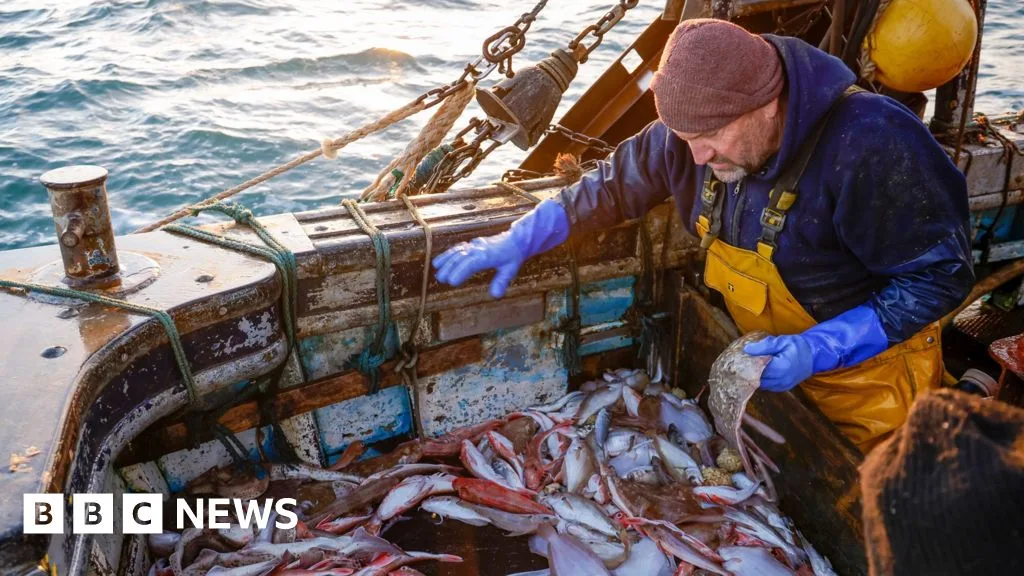
The UK government and the European Union have agreed on an initial draft of a treaty that would scrap post-Brexit checks on food and agricultural exports, ahead of the UK-EU summit later this month. The 200-page document for the sanitary and phytosanitary (SPS) agreement has been circulated to EU member states in Brussels for discussion at a meeting of ambassadors on Wednesday, according to a source cited by the BBC.
The food deal is the most substantial component of what has been called the 'Brexit reset' so far. Since the UK left the EU single market, food exporters have faced animal health certificates, physical inspections, and bureaucracy that add thousands of pounds per truck. The UK government claims the deal will deliver annual economic benefits of up to £5.1 billion.
But those gains come at a political price. The UK is expected to have to commit to observing and adapting to applicable EU regulations—a mechanism known as 'dynamic alignment'. That means food, animal, and plant rules in the UK would keep following changes in Brussels, something that has long been a red line for Brexit supporters.
For Northern Ireland, the impact is more radical. The region remains in the EU single market for goods, so food products from mainland Britain have had to go through documents and physical checks at Irish Sea ports. The deal would eventually end those requirements, significantly reducing border friction that has been one of the most controversial legacies of Brexit.
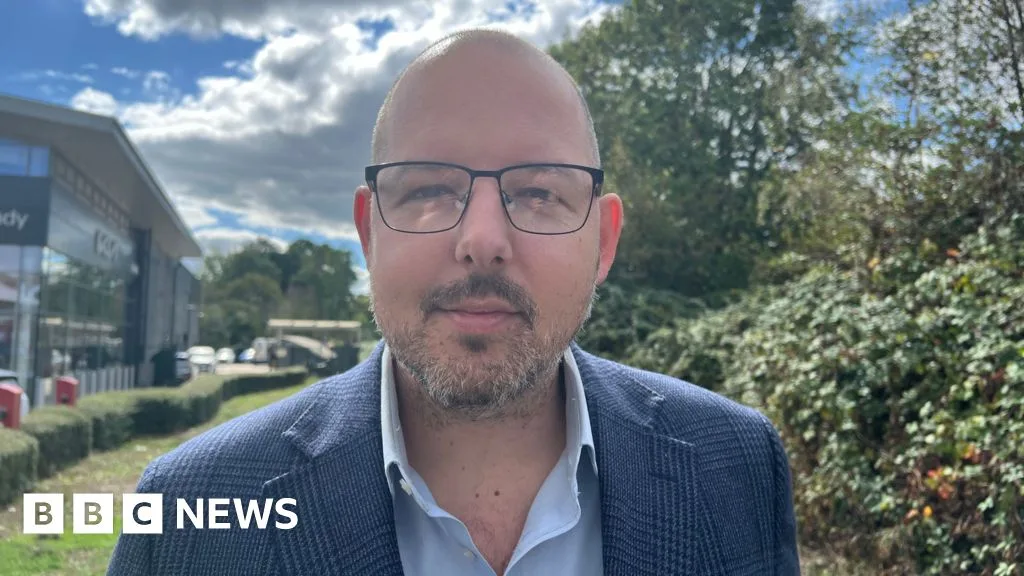
"We're only a small company, but every time we send a pallet of yoghurt, we have to pay a vet £140 for an inspection. It makes us a loss, so we stopped," Jon Walsh, CEO of Bio&Me, told BBC 5 Live.
Support comes from the business world. William Bain, head of trade policy at the British Chambers of Commerce, judged that on balance businesses accept a 'fair price to pay' for following common rules, because companies will enjoy lower costs, fewer delays, and broader market access. He added that export health certificates can currently add thousands of pounds per truck, on top of port queues.
But criticism comes from another part of the political spectrum. Conservative Party leader Kemi Badenoch said 'dynamic alignment' is a red line and would in fact take the UK backwards. Reform UK business spokesman Richard Tice accused the deal of sacrificing trade policy sovereignty and jeopardising trade agreements worth hundreds of billions of pounds. Meanwhile, the Liberal Democrats' Europe spokesman, Al Pinkerton, called the draft 'a patch, not a solution', and called for the UK to return to the single market and form a customs union with the EU.
Prime Minister Andy Burnham, who replaced Keir Starmer in July, has significantly changed the UK's approach to the EU. In an interview with ITV, he said national public opinion has shifted since the 2016 referendum, but he would not run ahead of public opinion. "The public should be the boss on anything that happens with Brexit," he said. Burnham also stressed he has not proposed a return to freedom of movement.
The UK government has announced a European Partnership Bill that would provide a legal mechanism for adopting new EU rules, including linking the UK emissions trading scheme with the EU's and avoiding a border carbon tax. The draft treaty will also be discussed by EU ambassadors at a Coreper meeting, with some details of the youth mobility scheme still to be finalised at the political level in the coming days.
For Indonesia, this development offers an important lesson. Indonesian food exporters seeking to enter the European market—from coffee, palm oil, to processed products—are always faced with strict sanitary and phytosanitary requirements. The UK-EU deal shows that market access is never free: importing countries demand standards alignment, and exporting countries must be ready to follow regulatory changes on an ongoing basis. Indonesia's ongoing negotiations with the EU for the Comprehensive Economic Partnership Agreement (IEU-CEPA) need to pay close attention to this precedent, especially on regulatory commitments and mutual recognition of food standards.
The question ahead: will the UK parliament ratify a treaty that effectively returns part of regulatory sovereignty to Brussels, or will domestic political pressure derail it before the summit? The answer will shape the direction of UK-EU relations for the next decade—and signal to trading partners like Indonesia how deep a regulatory harmonisation they must accept.