European Troops in Ukraine Allowed to Open Fire if Attacked by Russia, Koalicja Exercise Tests Readiness
Baca dalam 60 detik
- Inggris dan Prancis memimpin uji coba pengerahan pasukan penjaga perdamaian ke Ukraina pasca-gencatan senjata, dengan aturan keterlibatan yang membolehkan tindakan defensif terhadap agresi Rusia.
- Kekuatan multinasional ini dirancang non-NATO dan minim ketergantungan pada sistem AS, termasuk Starlink, sebagai respons atas keraguan Washington.
- Latihan 11 negara di Polandia bulan ini menjadi indikator kesiapan Eropa menggaransi keamanan Kyiv tanpa keterlibatan langsung Amerika.
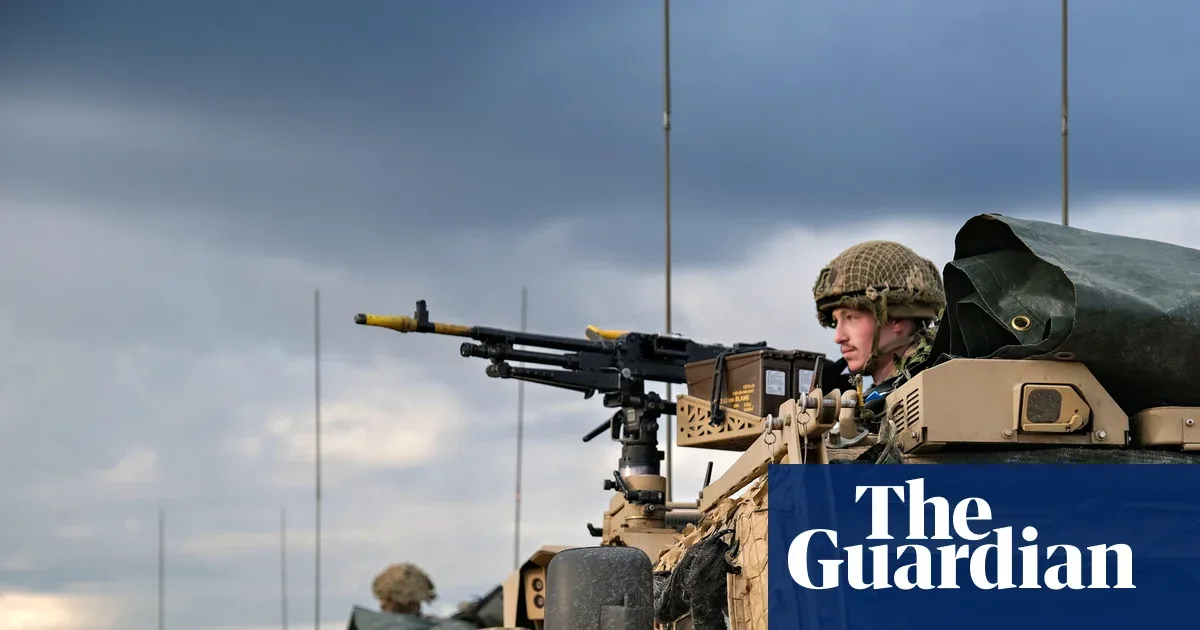
Britain and its European allies will allow their troops to return fire if attacked by Russian forces while serving as peacekeepers in Ukraine after a ceasefire is reached, according to statements from several Western officials. The policy marks the first time the rules of engagement for the Anglo-French-led stabilization force have been disclosed publicly, just as Europe seeks to reduce its dependence on the United States in the region's security architecture.
The force is confirmed not to use US-made systems or technology, including Elon Musk's Starlink satellite network, and will consist almost entirely of European personnel if it is actually deployed. "Clearly we will protect our forces from any aggression," said an official familiar with the plan, stressing that Western military involvement in Ukraine is "defensive".
The details emerged alongside the announcement of Exercise Koalicja, an 11-nation joint exercise to be held in Poland later this month. The exercise serves as a trial of how European militaries can move quickly into Ukraine if the war ends. A total of 2,800 soldiers, sailors, and airmen will take part; France is sending 1,500 personnel from the 1st Division, while Britain is contributing 300 troops from the 7th Light Mechanised Brigade.
Lieutenant General Tom Bateman, the force commander, stressed the commitment of European countries to provide "strong and binding security guarantees for Ukraine after the end of hostilities". According to him, the exercise aims to demonstrate military readiness, rapid deployment capability, and operational effectiveness of a plan that has been drawn up for more than a year. He also emphasized that the force is "non-NATO" — operating outside the Western military alliance — and is expected to receive only minimal or even zero US support if deployed to Ukraine.
"We do not depend on US systems," said another official when asked whether the multinational force relies on Starlink satellites for communications.
The caution toward US technology is not without reason. Last month, Washington abruptly restricted Ukraine's use of the military variant of Starlink, Starshield, for about 10 days, affecting medium-range drone missions. The incident triggered international concern about the reliability of US support for allies, especially after President Donald Trump said he would not send American troops for a peacekeeping mission in Ukraine even if a ceasefire is reached. Nevertheless, the US is still seeking to lead negotiations and plans to hold three-way talks later this month, although this autumn's peace efforts have yet to yield significant results.
The situation on the ground remains tense. Ukraine and Russia continue to bombard each other's energy infrastructure, and on Sunday and Monday the air-raid warning apps of both countries were hacked. Ukraine's app briefly displayed false warnings about nuclear and chemical threats and "street fighting". It is in this context that peacekeepers face the risk of escalation, given Russia's history of low-level attacks during Ukraine's 2014–2022 ceasefire.
The main goal of this multinational force is to help "regenerate and strengthen" Ukraine's military after the war, Bateman said, with Western troops positioned far from the front line. However, the rules of engagement still allow soldiers to defend themselves against Russian drone attacks, raising the question of how Moscow will respond to armed incidents. Self-defense doctrine is indeed common to all militaries, but it is often expanded according to operational needs.
Beyond Ukraine, Britain has also committed to helping several countries in the Middle East face attacks from Iran and Yemen's Houthis. RAF Typhoon fighter jets flew dozens of sorties from Qatar to protect Gulf states in the spring, and last month Britain pledged to help Saudi Arabia face Houthi missile and drone attacks. For Ukraine, fighter jets are also expected to help reopen commercial airports through patrols, while a Black Sea demining plan is led by Turkey to reopen grain export routes and maritime trade.
With Exercise Koalicja as the benchmark, the question now is: will Europe be able to present credible security guarantees without a US military umbrella, and how far will Moscow tolerate the presence of Western troops in what it considers its sphere of influence? The answer will determine the stability of Ukraine and Europe in the years to come.