UK MPs Accuse Government of Making China Policy 'On the Fly', Security Risks Rise
Baca dalam 60 detik
- Komite Bisnis Parlemen Inggris menilai pendekatan pemerintah terhadap China tidak konsisten dan membahayakan keamanan nasional.
- Laporan merekomendasikan zona merah-hijau, larangan transfer data sensitif, dan tarif jika China tidak adil dalam perdagangan.
- Pemerintah membantah, menyebut kebijakan China sudah konsisten dan seimbang antara kerja sama dan tantangan.
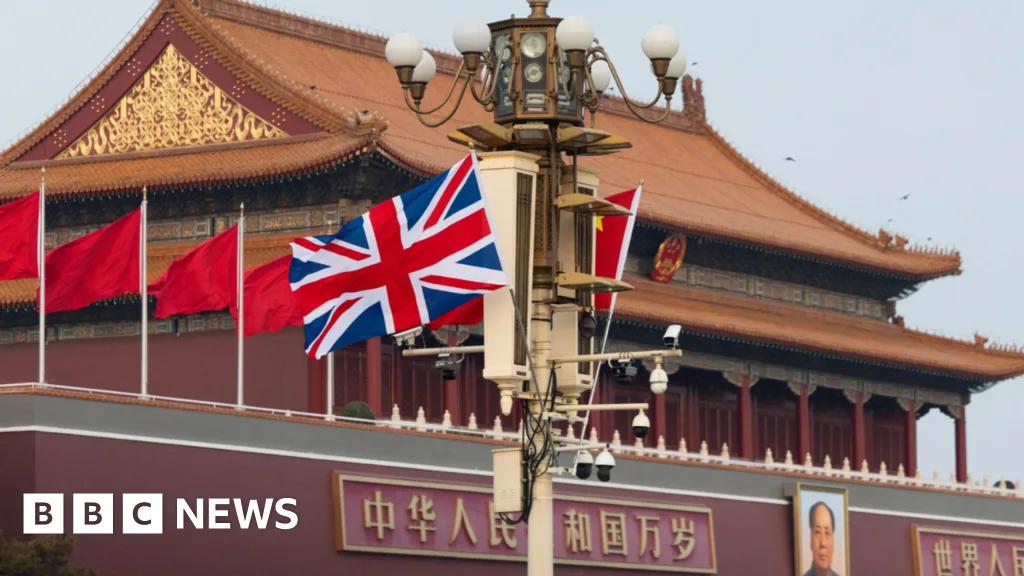
The UK government's policy toward China is back in the spotlight after Parliament's Business, Innovation, Science and Trade Committee released a report accusing Downing Street of lacking a consistent approach. The report says policymaking has been improvised, or done "on the fly", increasing national security risks.
In the report released this week, the committee chaired by Labour MP Liam Byrne criticized the government for failing to deliver on its promise to implement a measured strategy toward China. It argued that inconsistency in decision-making has created uncertainty for businesses and endangered the UK's strategic interests.
The committee recommended several concrete steps, including establishing "red zones" and "green zones" to clarify which sectors are open to Chinese investment and which are prohibited. It also urged the government to ban the transfer of sensitive data to China, apply clear trade rules, and prohibit imports of products made with forced labor.
The UK government, through the Department for Business, said it disagreed with the report's conclusions. A department spokesperson stressed that the country's approach to China has been consistent, namely cooperating where possible and challenging in areas of national interest. "We have put our relationship on a more stable, balanced and long-term footing, based on a clear-eyed assessment of opportunities and risks," the spokesperson said.
The issue is not new. The previous prime minister, Keir Starmer, sought to bring relations closer to China on the grounds that economic opportunities cannot be ignored. However, the move drew criticism from a number of MPs concerned about Chinese espionage activity in the UK. The government has also not fully published the results of an audit of bilateral relations conducted last year, citing classified information.
Committee chair Liam Byrne stressed that UK businesses cannot plan for the future when the government keeps changing its China policy abruptly. "Ministers promised clarity and consistency. In reality, opportunities are missed, risks are unmanaged, and decisions are taken at the last minute," Byrne said. He added that the UK must shape its own relationship with China or risk having that relationship shaped by Washington or Beijing.
The committee's report also highlighted the spread of low-cost connected technology from China in the UK, especially in critical national infrastructure. The committee judged the government has put diplomatic politeness above national security. It therefore recommended a ban on the use of Chinese connected technology devices in vital infrastructure, as well as faster provision of advice for universities that establish research cooperation with Chinese institutions.
In a broader context, the report reflects a global debate about how Western countries balance economic opportunities from China with security concerns. The UK, like the United States and the European Union, faces pressure to clarify its stance on Chinese investment and technology. For Indonesia, this dynamic can serve as a mirror of the importance of coordinated policy in dealing with foreign investment in strategic sectors, especially technology and data, so as not to create vulnerabilities later on.
Looking ahead, will the UK government follow up the committee's recommendations with firmer policy, or maintain its existing approach? The public and businesses will be waiting to see whether the promise of consistency is truly realized or merely political rhetoric.