King Charles Acknowledges Slavery in Antigua as Labour PM Opens Door to Formal Apology
Baca dalam 60 detik
- Raja Charles III akan menyampaikan pidato bersejarah di KTT CHOGM Antigua yang mengakui penderitaan akibat perdagangan budak transatlantik.
- Perdana Menteri Andy Burnham untuk pertama kalinya menyatakan keterbukaan pemerintah Inggris terhadap kemungkinan permintaan maaf resmi.
- Perdana Menteri Antigua dan Barbuda Gaston Browne menuntut keadilan reparatif yang serius, sementara oposisi Konservatif menilai permintaan maaf sebagai distraksi.
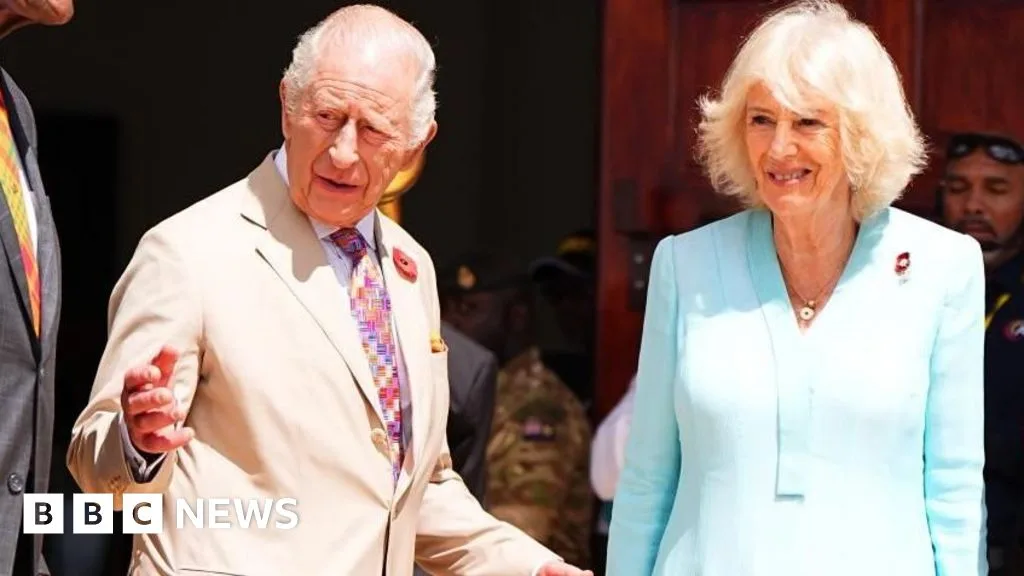
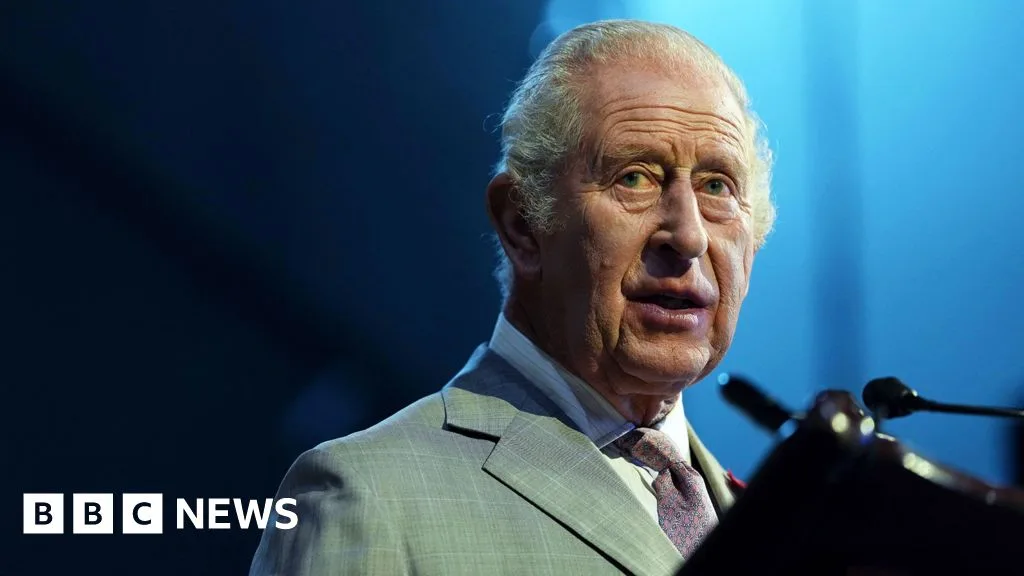
King Charles III will use his opening address at the Commonwealth Heads of Government Meeting (CHOGM) in Antigua on Tuesday (25/11) to openly acknowledge the suffering caused by the transatlantic slave trade. Buckingham Palace stressed that the king will speak with "fearless honesty" and "profound regret" about the dark legacy of slavery—a moment that places the British monarchy at the heart of a sensitive political debate.
The speech drew attention because it coincided with UK Prime Minister Andy Burnham's surprise statement that his government is open to the possibility of a formal apology for Britain's role in slavery. In an opinion piece in The Guardian, Burnham described the slave trade as a "brutal and barbaric violation" and stressed that Britain "must face the past". The statement marks a shift from the stance of his predecessors, who were reluctant to take such a step.
Even so, Burnham has not gone as far as discussing reparative compensation—an issue that has long been a red line for London. Palace sources said King Charles had been briefed in advance on Burnham's statement and did not change the text of his speech. A Palace spokesperson stressed that the king will not comment on government policy, because the decision on an apology is a matter for the executive, not the palace.
Antigua and Barbuda Prime Minister Gaston Browne, in his country's Independence Day address, stressed that the historical wound of slavery has not healed and its consequences do not fade with time. He called for the demand for reparative justice to be handled with "seriousness, sensitivity, and sustained international engagement". Browne said his government is discussing the issue bilaterally with Britain and other Commonwealth countries on the sidelines of the summit.
However, Burnham's openness met resistance from the Conservative Party. Opposition leader Kemi Badenoch described the "endless debate about apologies" as a distraction from the actual problems facing citizens. "The transatlantic slave trade happened centuries ago. It is time for the Commonwealth to move forward, not keep looking back," she told the BBC.
"His Majesty will not shy away from the most shameful aspects of the past during this visit. He will address them with fearless honesty, profound regret, and respect for the wider discussion among governments," a Buckingham Palace spokesperson said.
The King's visit to the Caribbean was indeed designed to confront colonial history. In the Bahamas, he spoke of "past suffering"; in Guyana, he visited the site of a slave rebellion that killed hundreds of people. The Palace described the visit as an opportunity for the king to learn more deeply about the history of slavery and resistance. However, palace sources stressed that the decision on an apology remains in the hands of the government, not the monarchy.
Amid the official agenda, King Charles also faces personal pressure. Recent months have been a difficult period for him, from developments in the case of his brother, Prince Andrew, to the publication of a book by his former brother-in-law, Earl Spencer. His son, the Duke of Sussex, also returned to Britain with Meghan and their two children last August. Nevertheless, senior palace aides expressed confidence that the king's approach to family matters has been appropriate. The Palace also declined to comment on allegations that have emerged against Meghan's father, Thomas Markle, citing it as a private matter.
The King, who has been undergoing cancer treatment since early 2024, is reported to be on a "positive trajectory". At an age about to turn 78, he completed a nine-day visit with about 36 engagements in hot and humid weather. During the Independence Day ceremony, heavy rain poured down and left him soaked because he was not promptly given an umbrella—while Queen Camilla was handed one immediately.
King Charles's speech on Tuesday will be a test of diplomacy: how far can the monarchy push reconciliation without overstepping constitutional bounds? Meanwhile, Prime Minister Burnham now stands at a crossroads—will his openness lead to a formal apology, or will it amount to rhetoric without real action? The world will be watching whether the CHOGM summit in Antigua becomes a turning point for reparative justice, or merely a symbolic stage.