The Cartoon 'Tiny Creature Kindness' and Small Ethics Amid the Environmental Crisis
Baca dalam 60 detik
- Kartunis First Dog on the Moon merilis seri lencana imajiner yang mengangkat pentingnya kebaikan terhadap makhluk kecil.
- Karya ini menyindir absennya perhatian publik pada isu satwa kecil dan serangga di tengah prioritas lingkungan yang besar.
- Kampanye simbolik ini mendorong refleksi tentang peran individu dalam pelestarian biodiversitas sehari-hari.
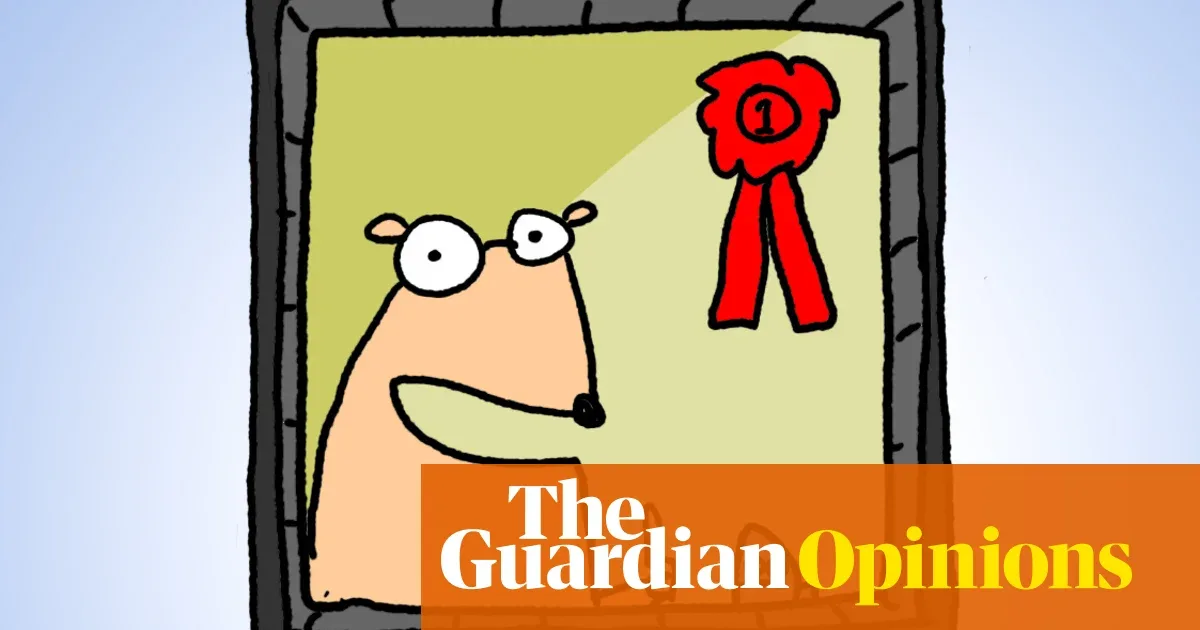
Australian cartoonist First Dog on the Moon has once again drawn attention with a new work titled Tiny Creature Kindness. Rather than highlighting large-scale environmental issues, the comic invites readers to reflect on small actions that are often overlooked: making room for insects, small birds, or wild animals around the home. In a cartoon strip format, First Dog offers a series of imaginary badges seemingly awarded to those who have done good deeds for these tiny creatures.
The approach feels fresh because it does not preach. At a time when climate change narratives are often dominated by data and global temperature projections, First Dog chooses a visual language that is light yet pointed. It highlights that kindness toward small animals is not a heroic act but an everyday habit anyone can adopt. For example, letting a patch of garden grow wild or not using excessive pesticides in the yard.
Though packaged as entertainment, the cartoon carries social criticism. First Dog seems to suggest that public attention to conservation often focuses on charismatic species such as pandas or tigers, while insects and other small animals that play a vital role in ecosystems are overlooked. Yet, according to ecologists, pollinating insect populations have declined sharply in various parts of the world due to habitat loss and climate change. Awareness of this needs to be cultivated at the individual level.
In Indonesia, a similar idea has in fact long lived in local wisdom. Many traditional communities have a habit of preserving small animals, such as not killing dragonflies or letting bird nests remain in trees. However, modernization and changing lifestyles have led this practice to be abandoned. The First Dog cartoon can serve as a mirror showing that even simple actions have great ecological value.
“Kindness toward small creatures is a form of our responsibility for the future of this planet,” First Dog wrote in the comic's notes, as quoted from The Guardian.
In addition, the comic also touches on a psychological aspect. Amid the pressures of modern life, caring for small creatures can be a simple, calming therapy. Several studies show that interacting with nature, including observing insects or birds around the home, can lower stress levels. Thus, First Dog's message is not only about the environment but also about mental well-being.
However, the biggest challenge is how to turn a symbolic message into real action. The badges in the cartoon are only fiction, but their spirit can be realized through animal-friendly city policies or education programs in schools. In Indonesia, several communities have started similar movements, such as building insect hotels in city parks or campaigning against the use of chemical pesticides on farmland.
Going forward, will this small message from the cartoon be able to drive collective behavioral change? Or will it be merely momentary entertainment forgotten once the screen goes dark? First Dog seems to believe that kindness, however small, deserves to be celebrated, and that is where big change can begin.