Oil Prices Waver: Tehran Diplomacy Eases Tensions, but Houthi Threat Persists
Baca dalam 60 detik
- Brent dan WTI berbalik menguat setelah sempat melemah akibat harapan deeskalasi konflik AS-Iran.
- Pertemuan empat negara di Teheran membuka saluran diplomasi, namun serangan Houthi ke Arab Saudi membatasi penurunan harga.
- Pasar energi global masih rapuh; keputusan Trump soal serangan militer atau kesepakatan menjadi penentu arah harga minyak.
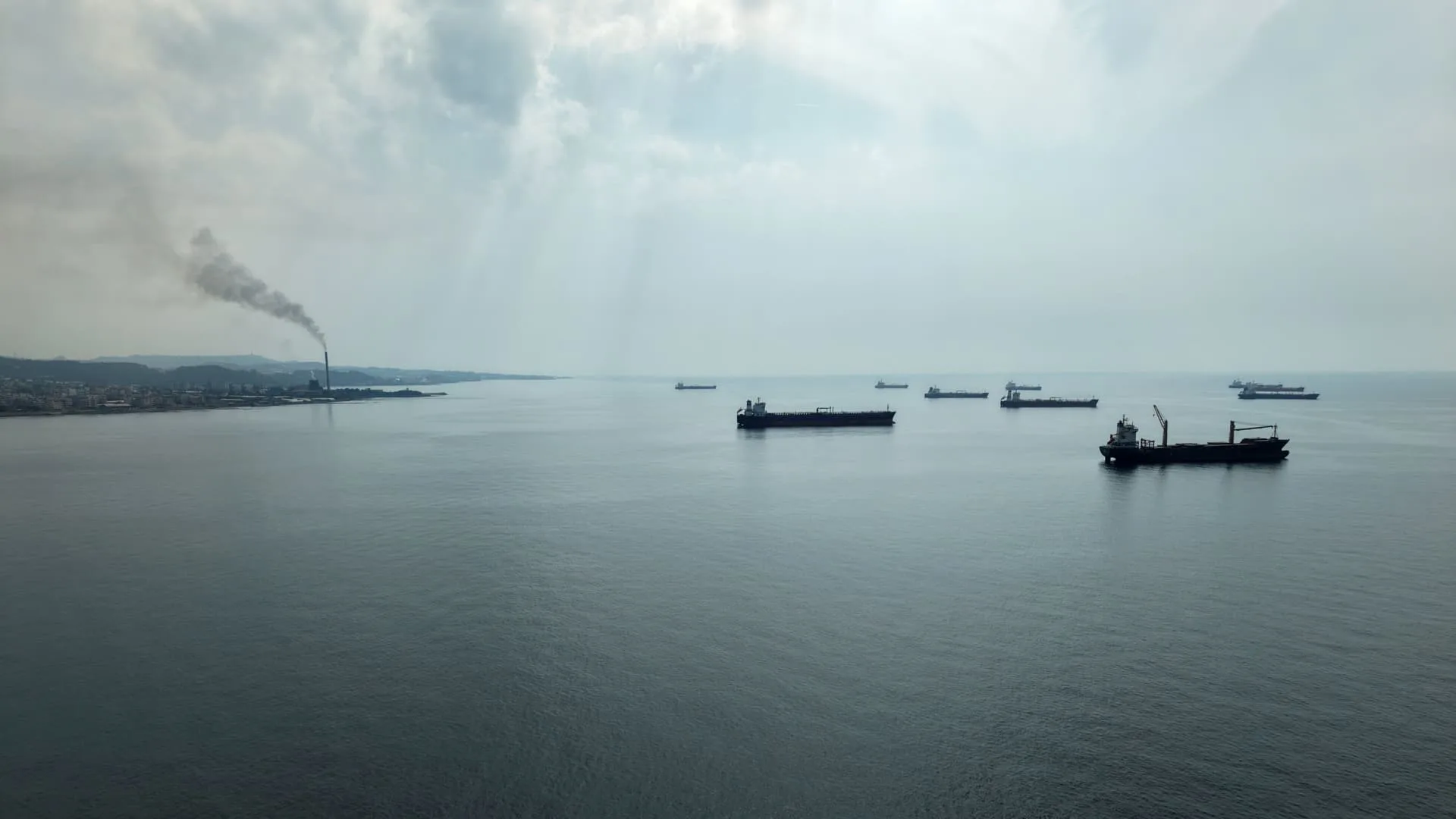
Global crude oil prices moved higher again in Tuesday's trading (27/10), reversing an earlier slide triggered by fresh diplomatic efforts to end the conflict in the Middle East. The December Brent futures contract rose 0.4% to US$116.27 per barrel at 03.54 ET, while June West Texas Intermediate (WTI) gained 0.5% to US$102.27 per barrel.
The modest rally came after representatives from Saudi Arabia, Turkey, Pakistan, and Iran held talks in Tehran on Monday (26/10). Riyadh said the discussions aimed to keep diplomatic channels open and prevent further escalation. The four countries agreed to keep communicating to advance regional peace and security, according to reports by Iranian state media.
Even so, market optimism did not immediately push prices down significantly. That is because, at the same time, Iran-backed Houthi militants were still launching attacks on Saudi Arabia over the weekend. The situation makes the prospect of a long-term resolution to the conflict look fragile, leaving traders reluctant to fully unwind their long positions.
On the other hand, US President Donald Trump, in an interview with Fox News on Sunday (25/10), signaled that he was nearing a decision between reaching a deal with Iran or stepping up military operations. The statement added to market uncertainty, as the option of additional strikes remains open. Qatar, which has helped mediate the Washington-Tehran talks, also sent its representative to the Iranian capital the same day, according to Reuters.
"The oil market is weighing two scenarios: hope for a diplomatic breakthrough that could push prices down, versus the risk of military escalation that would instead drive prices higher," said an energy analyst who declined to be named.
For Indonesia, fluctuations in global oil prices have direct implications for the state budget. Every US$1 per barrel increase can add trillions of rupiah to the burden of energy subsidies and compensation. The government itself has still set the assumption for the Indonesian Crude Price (ICP) in the 2026 state budget at a certain range, and current price movements could force a revision if the trend continues. On the other hand, as a net oil importer, Indonesia is also burdened by currency weakness if oil prices keep surging.
Going forward, the direction of oil prices will depend heavily on Trump's decision and the effectiveness of Qatar's mediation. If a deal with Iran is reached, pressure on prices could ease. However, if Houthi attacks continue or the US military moves again, oil prices could break through new highs. The market will scrutinize every statement by officials from both countries in the coming days.