Koster Orders Fuel Task Force in Bali, to Watch for Modified Tanks and Illegal Plates
Baca dalam 60 detik
- Gubernur Bali Wayan Koster mengeluarkan surat resmi agar bupati dan wali kota membentuk satuan tugas pengawasan BBM bersubsidi di SPBU.
- Satgas melibatkan TNI-Polri, Satpol PP, Dishub, Hiswana Migas, dan Pertamina Patra Niaga untuk menindak kecurangan seperti modifikasi tangki dan pelat nomor ilegal.
- Pembatasan kuota dan pencatatan odometer diterapkan saat antrean panjang, dengan sanksi berlapis hingga pencabutan izin bagi pelanggar.
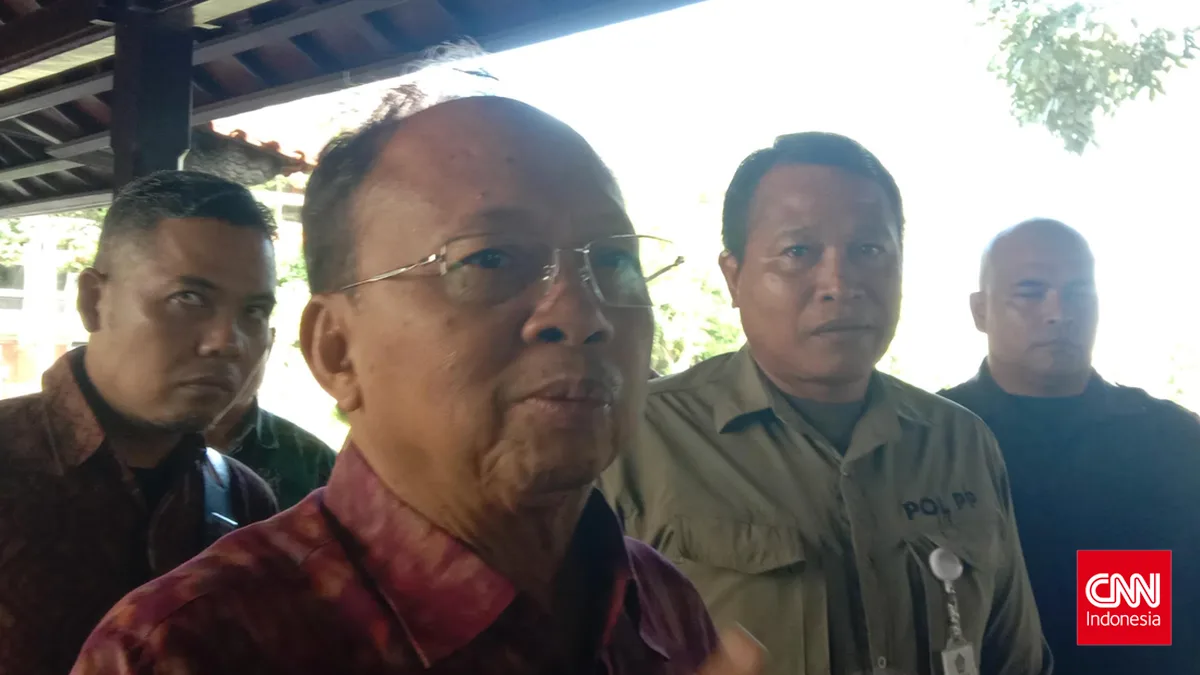
Bali Governor Wayan Koster has taken firm steps to ensure subsidized fuel oil (BBM) is not enjoyed by parties who are not entitled to it. Through letter number B.21.500.1/16672/V/Disnaker.Esdm, he instructed all regents and mayors on the Island of the Gods to immediately form a Task Force for Monitoring and Supervision of Subsidized Fuel Distribution at public fuel filling stations (SPBU). The order targets a classic problem that often arises ahead of surges in activity: long queues and games played by individuals in the field.
In a statement in Denpasar on Saturday (17/10), Koster stressed that the formation of the task force aims to keep the distribution of subsidized fuel on target, at the right volume, and with the right benefits. He also highlighted the potential for manipulation by certain parties to profit from retail price differences. “This supervision is important so that vehicles that have already met their quota do not trigger long queues or congestion around SPBU,” he said.
What sets this instruction apart is the fairly detailed scope of the task force's duties. In addition to monitoring distribution, the joint team is asked to check fraudulent practices that have so far been difficult to detect, such as modifying vehicle tanks to increase capacity, using illegal license plates, and various other forms of manipulation. The Bali Provincial Government involves elements of the TNI and Polri, the Civil Service Police Unit, the Transportation Agency, Hiswana Migas, and PT Pertamina Patra Niaga in the task force.
Koster also stressed the quota restriction mechanism that must be applied when queues occur. Vehicles that have reached their quota limit may no longer fill up with subsidized fuel, and the next refueling is only permitted after usage reaches at least 70 percent of the previous volume. Odometer recording according to vehicle specifications is key to verification. “This is to prevent vehicles that have already met their quota from still triggering queues,” Koster said.
For SPBU operators and vehicle owners proven to have violated the rules, the regional government together with related agencies is asked to take action without discrimination. Administrative sanctions ranging from reprimands, warning letters, to permit revocation are prepared. If violations are repeated, cases will be handed over to law enforcement officials. “We instruct firm sanctions in accordance with statutory provisions,” he said.
This step signals that the subsidized fuel issue is not merely an energy issue, but also a matter of governance and social justice. In many regions, scarcity and long queues are often triggered by individuals exploiting supervision gaps. Bali, as a province with high mobility and heavy dependence on the tourism sector, has its own vulnerabilities. Smooth fuel availability is a prerequisite for the smooth flow of goods and services, including tourist transportation.
However, the effectiveness of the task force will depend heavily on consistent supervision in the field. So far, the formation of similar teams in various regions has often stopped at the ceremonial stage. Koster appears to want to ensure this instruction does not become merely an official document. By involving Pertamina Patra Niaga and Hiswana Migas, the regional government hopes to obtain accurate purchase data as a basis for supervision.
Going forward, the public will wait to see whether the task force is truly able to suppress fraudulent practices and reduce queues, or instead adds a new layer of bureaucracy. If successful, the model could be replicated by other regions. If it fails, the subsidized fuel issue will remain a time bomb ahead of the high-demand period. The question is, how quickly will the task forces in each regency/city in Bali be formed and start working?