Alonso Holds Back Emegha Debut: The 1.95-Meter Striker Is Too Valuable to Rush
Baca dalam 60 detik
- Emmanuel Emegha kembali menunda debutnya bersama Chelsea setelah merasakan gangguan fisik saat sesi latihan, membuat Xabi Alonso memilih bersabar.
- Alonso menilai postur 1,95 meter dan kecepatan Emegha menjadikannya ancaman unik, tetapi menegaskan sang pemain harus bugar total sebelum dilepas ke Premier League.
- Keputusan menahan Emegha menyoroti pergeseran pendekatan klub besar yang kian berhati-hati mengelola investasi jangka panjang di tengah padatnya kompetisi.
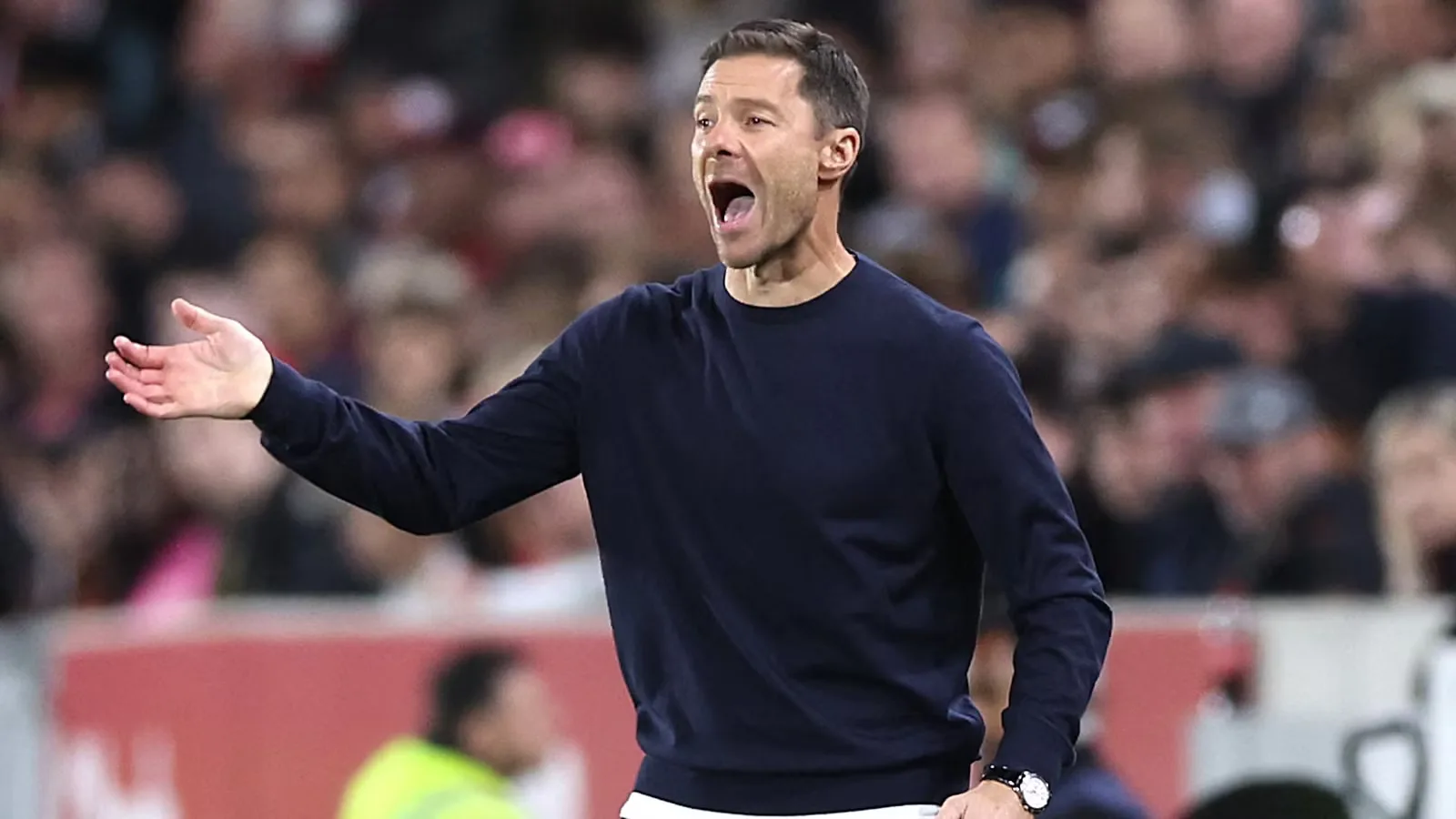
Emmanuel Emegha's debut for Chelsea must be postponed once again after the French forward felt a physical problem in training ahead of the trip to Everton. Xabi Alonso, who has held high expectations for his new signing from the start, chose not to take a risk and stressed that the 23-year-old has not yet reached the ideal condition to play a Premier League match.
The decision came as Chelsea prepared to face Everton, a team unbeaten in six league matches and pressing them closely in the table with an identical points tally. Alonso is aware that the match at Hill Dickinson Stadium will be a far tougher test than last week's 5-1 win over Bournemouth, so he does not want to throw Emegha into the pressure of a match before he is truly ready.
"He is not ready; yesterday he felt something, a small issue, he will train next week, but he is still not 100 percent fit to play in this match," Alonso said, as quoted by Football FanCast.
Alonso has not hidden his admiration for Emegha's quality. According to him, a 1.95-meter frame combined with speed and aggression in attacking space makes the player a threat that opposing defenders find hard to anticipate. Yet it is precisely because of that potential that Alonso is reluctant to force Emegha to play before his physical condition has fully recovered.
Emegha's absence extends the list of fitness problems in the Chelsea squad. Besides losing captain Reece James after knee surgery, Alonso also cannot use Jamie Gittens. On the other hand, the return of Moisés Caicedo in midfield provides extra breathing room, while Jordan Henderson will face his former club after an impressive display with two goals and one assist last week.
Nevertheless, Alonso's decision to hold back Emegha reflects a mindset that is increasingly common at top clubs: long-term investment must not be sacrificed for short-term needs. Chelsea have spent significantly to bring in Emegha as part of their squad-building project, and forcing him to play at half fitness risks prolonging an injury cycle that has already hampered his adaptation.
In the context of Indonesian football, a similar approach is in fact beginning to be adopted by a number of Liga 1 clubs that have learned from the bad experience of forcing new players to play for the sake of instant results. Patience in managing the physical condition of foreign players, especially those with large frames who rely on explosive speed, is often the difference between an investment that bears fruit and one that is wasted. Chelsea, with far more advanced medical and analytical resources, still choose the cautious path—a signal that workload management has become an inseparable part of modern team strategy.
Alonso himself hinted that he has already pictured how Emegha will operate alongside João Pedro and Cole Palmer. Emegha's presence in the penalty box could draw the attention of opposing center-backs, opening space for attacking midfielders and wingers to arrive from the second line. That combination cannot be shown in the near future, but it is a threat Chelsea are quietly preparing.
The question now is: how long can Chelsea remain patient? If Emegha is fit again next week, will Alonso release him straight away against a lighter opponent, or will he still choose the conservative route until he is fully convinced? The answer will determine how quickly Chelsea's forward-line project finds its ideal shape.