Marquez Refuses Rp100 Million Fine: MotoGP Warned Not to Treat Riders as Mere Promotional Tools
Baca dalam 60 detik
- Marc Marquez menentang sanksi finansial Rp100 juta bagi pembalap yang mangkir dari sesi promosi MotoGP.
- Pembalap Ducati itu menilai padatnya agenda non-balap menggerus fokus atlet dan berisiko pada performa di lintasan.
- Ketegangan ini memicu diskusi soal batas antara kewajiban komersial dan hak istirahat pembalap di kalender MotoGP yang kian padat.
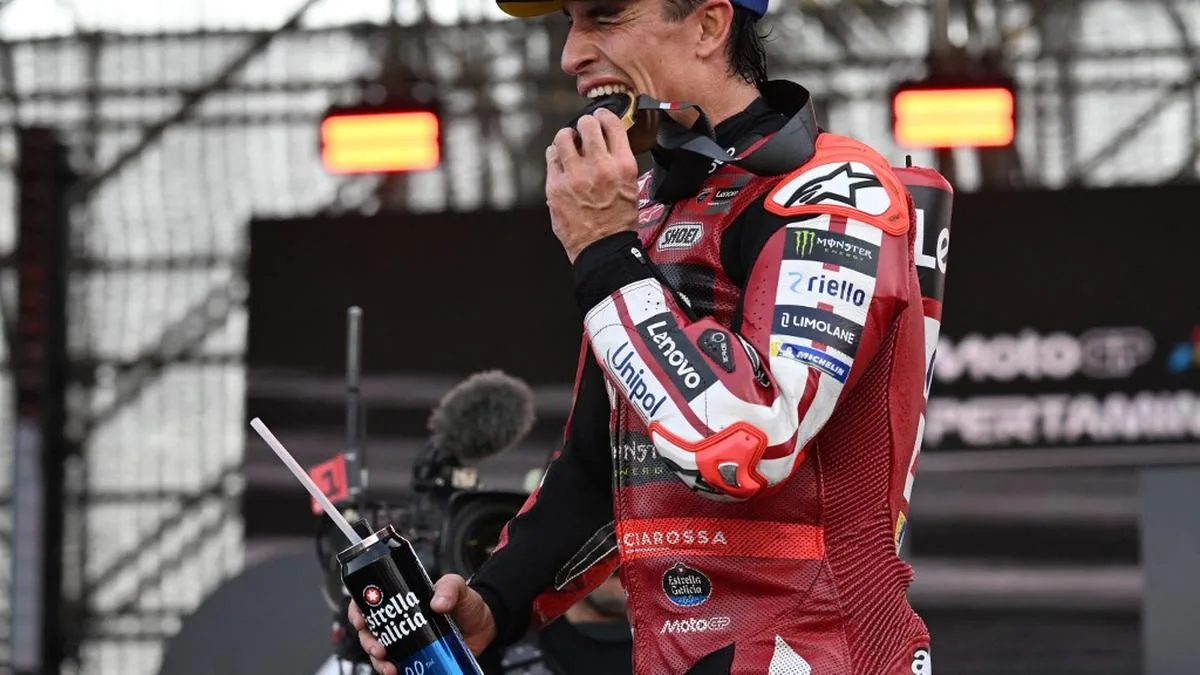
Marc Marquez openly questioned MotoGP's new policy imposing a 5,000 euro fine—equivalent to Rp100 million—on riders who skip promotional events during race weekends. The reigning world champion made the criticism after finishing sixth at MotoGP Indonesia, hours after receiving notice of the new rule by email from the organizers.
The rule was first tested during the Hero Walk session on Sunday morning (11/10/2026), where every rider is required to spend at least ten minutes greeting fans. Failure to appear brings a financial penalty, with the amount liable to increase for repeat offenses. Organizers have not ruled out sporting penalties if violations continue.
The move stemmed from MotoGP's monitoring of low participation by several riders in promotional activities in recent weeks. But the policy has opened a larger debate: how far may organizers demand commercial commitment from athletes still fighting on track?
Marquez has his reasons. A week earlier in Japan, he sent a stand-in to take part in a karting session because he chose to focus on recovering his shoulder condition. He made that decision on the grounds that on-track performance—especially in the title fight—must be the top priority. For him, public relations activities cannot always be placed on par with a rider's physical and mental readiness.
"As a rider, I am one of those who most wants to see MotoGP grow big. But there are many ways to grow this sport without putting excessive pressure on us," Marquez said, as quoted from his statement after the race.
He then detailed the burden riders must carry over a single weekend. Beyond free practice, qualifying, and the race, they still have to attend sponsor meetings, technical briefings, warm-up sessions, rider parades, and the Hero Walk. "We have to change clothes immediately, join the parade, then go back to another meeting because there wasn't enough time before," he added. "In the end, we are athletes."
The statement touches on a structural issue rarely discussed openly: MotoGP's increasingly packed calendar and the commercial demands that accompany every round. On one side, promotion is the lifeblood of revenue for organizers, sponsors, and teams. On the other, riders are the main asset whose performance depends on physical condition and mental focus. When the two collide, the question arises of who bears the risk.
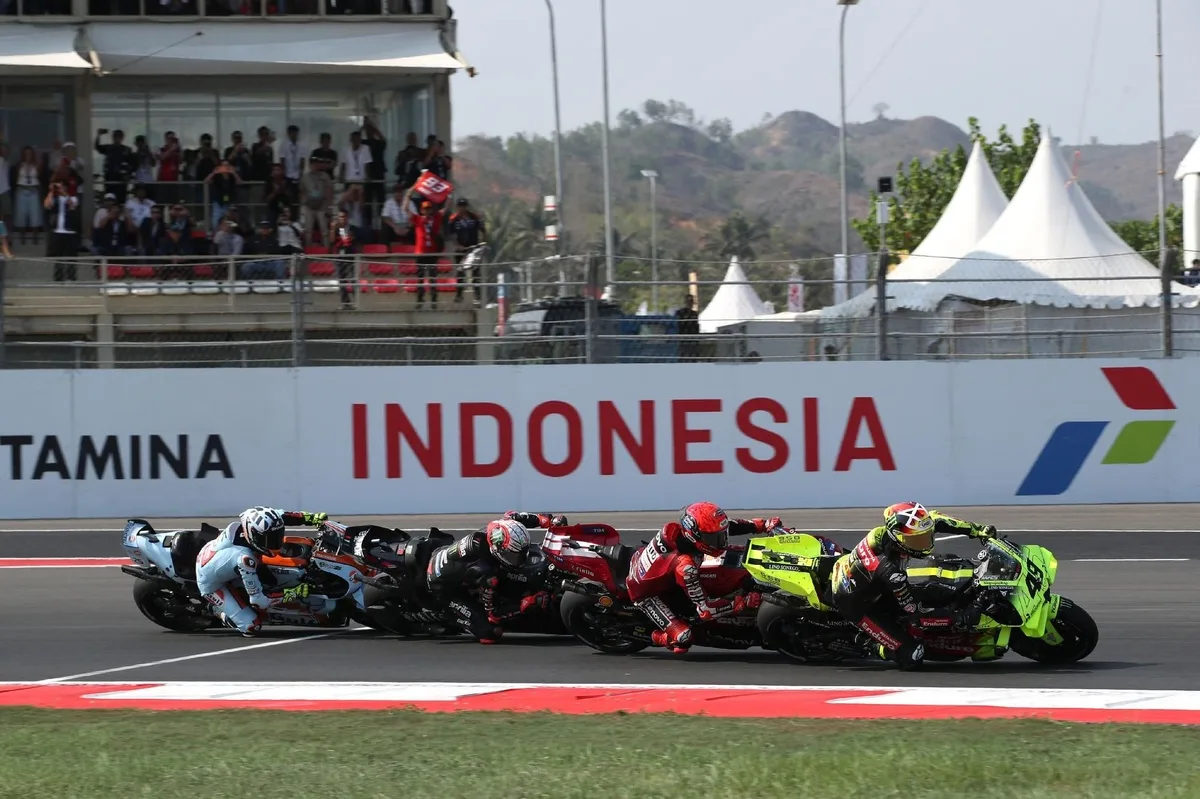
For Indonesia, this polemic is relevant because Mandalika is the first location where the rule is applied. As a host relying on tourist visits and fan enthusiasm, the success of the Hero Walk session and other promotional events has a direct impact on the event's image and economic impact. If riders feel overburdened, the quality of future interactions with fans could be affected—something local organizers need to anticipate.
Going forward, MotoGP stands at a crossroads: tightening promotional obligations for market growth, or redesigning the schedule so it does not sacrifice the athletic side. If fines remain in place without adjusting workloads, broader rider solidarity is not out of the question—or even demands to revise contracts and regulations. The public is waiting, too: is this a minor correction or the start of a bigger debate about the direction of MotoGP's commercialization?