Health Sponsors Take Over the 2026 F1 Paddock: Ferrari, Aston Martin, McLaren Battle for the Lifestyle Market
Baca dalam 60 detik
- Tiga tim F1 resmi menggandeng merek wellness pada 2026, menandai pergeseran lanskap sponsor dari sektor keuangan dan teknologi ke gaya hidup.
- Nilai sponsor tim F1 melonjak 22 persen menjadi USD2,54 miliar pada 2025, dengan merek wellness membidik basis penggemar yang semakin peduli kesehatan.
- Keberlanjutan kemitraan dipertanyakan karena durasi kontrak pendek dan absennya data publik soal korelasi tidur dengan performa di lintasan.
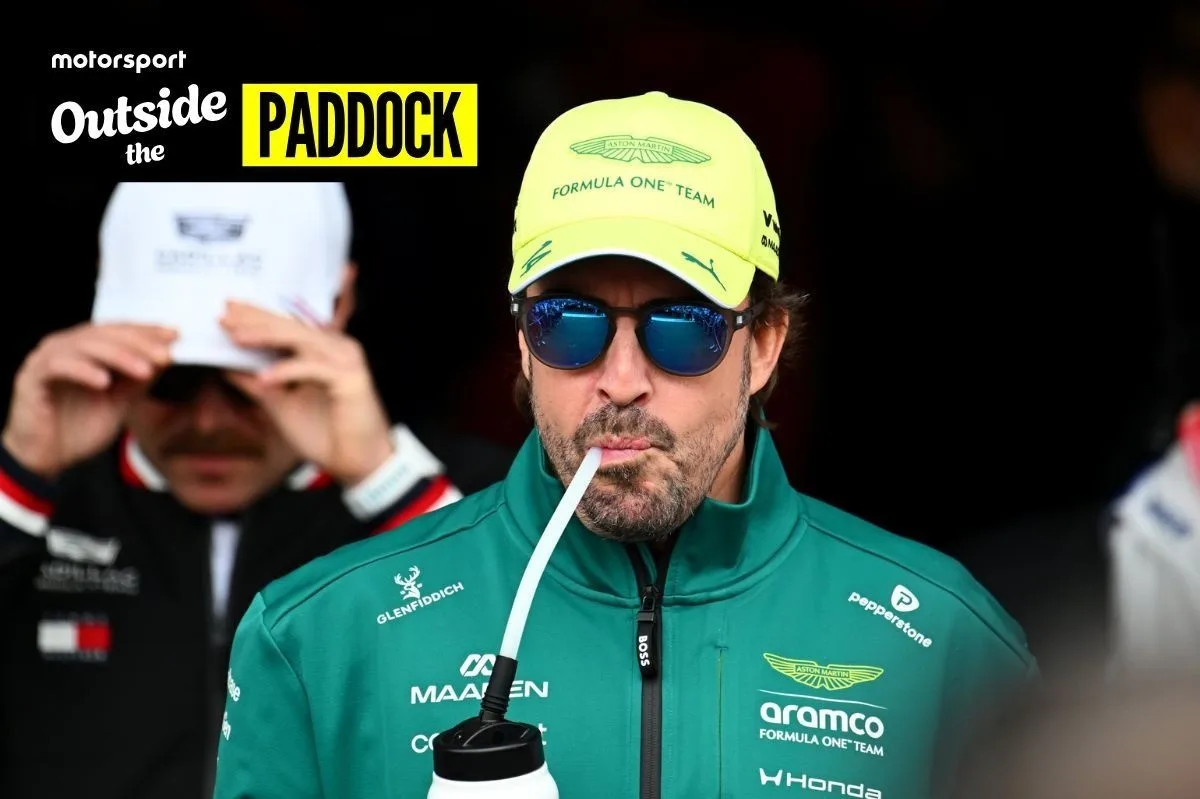
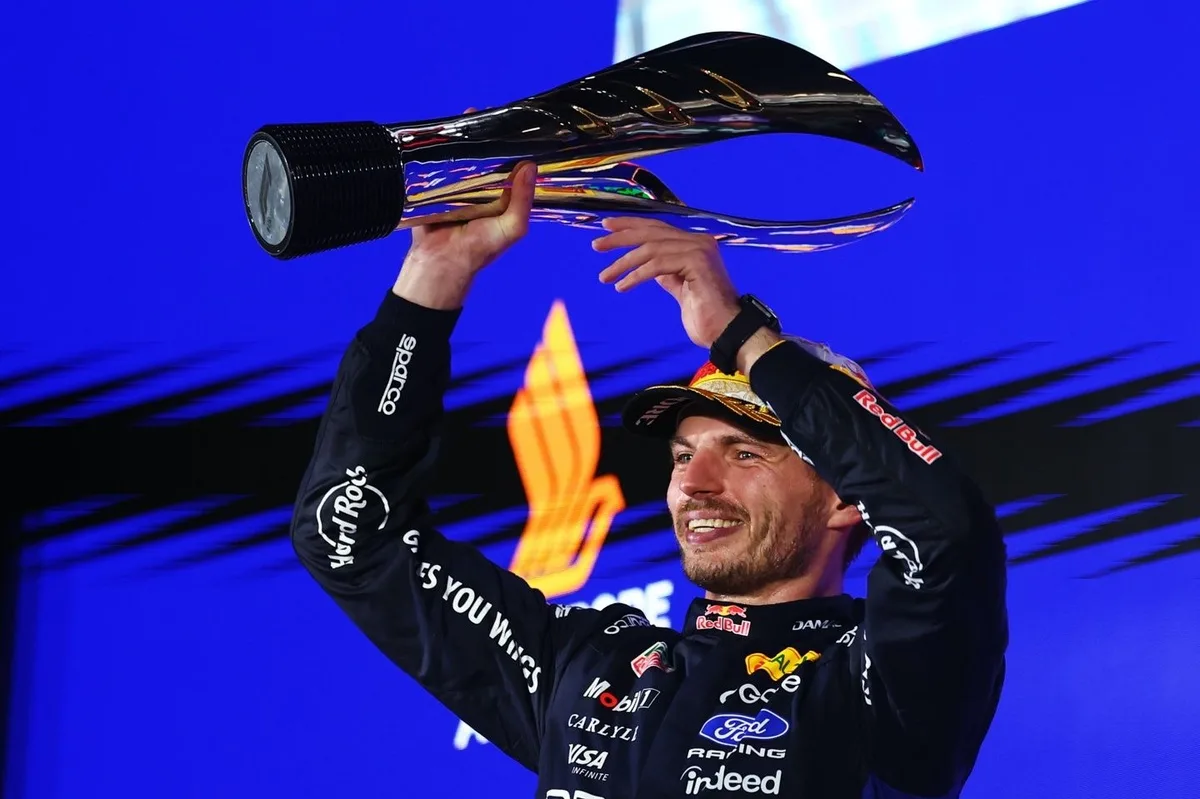
The Formula 1 paddock in the 2026 season is no longer dominated by bank logos, oil companies, or tech giants. Ferrari, Aston Martin, and McLaren have all opened their doors to health and wellness brands—a commercial shift signaling that F1's appeal is now measured not only by speed, but also by a healthy lifestyle.
Ferrari led the way by partnering with WHOOP in January, placing the fitness tracker's logo on its cars and driver gear. Aston Martin followed with Eight Sleep, a sleep technology company, whose branding adorns the car's nose and the drivers' balaclavas, plus a multi-year deal with energy drink brand Celsius. McLaren completed the list in April with Liquid I.V., a hydration brand, just days before the Miami Grand Prix.
The moves by these three teams are not without reason. According to SponsorUnited data, the value of F1 team sponsorships reached USD2.54 billion in 2025, up 22 percent from the previous year. The technology sector (USD769 million) and financial services (USD456 million) still dominate, but newcomers from the wellness sector have deep pockets. WHOOP was divested at a valuation of USD3.6 billion in 2021, Eight Sleep raised USD100 million last year, and PepsiCo shelled out USD550 million to buy a stake in Celsius in 2022.
Each deal is sold with a performance narrative. "In Formula 1, performance is the result of marginal gains accumulated over a season," said Jefferson Slack, Aston Martin's chief commercial officer, when announcing the Eight Sleep partnership, adding that "sleep is a crucial performance input." Lorenzo Giorgetti of Ferrari said WHOOP allows his team to "extend a data-driven approach beyond the car."
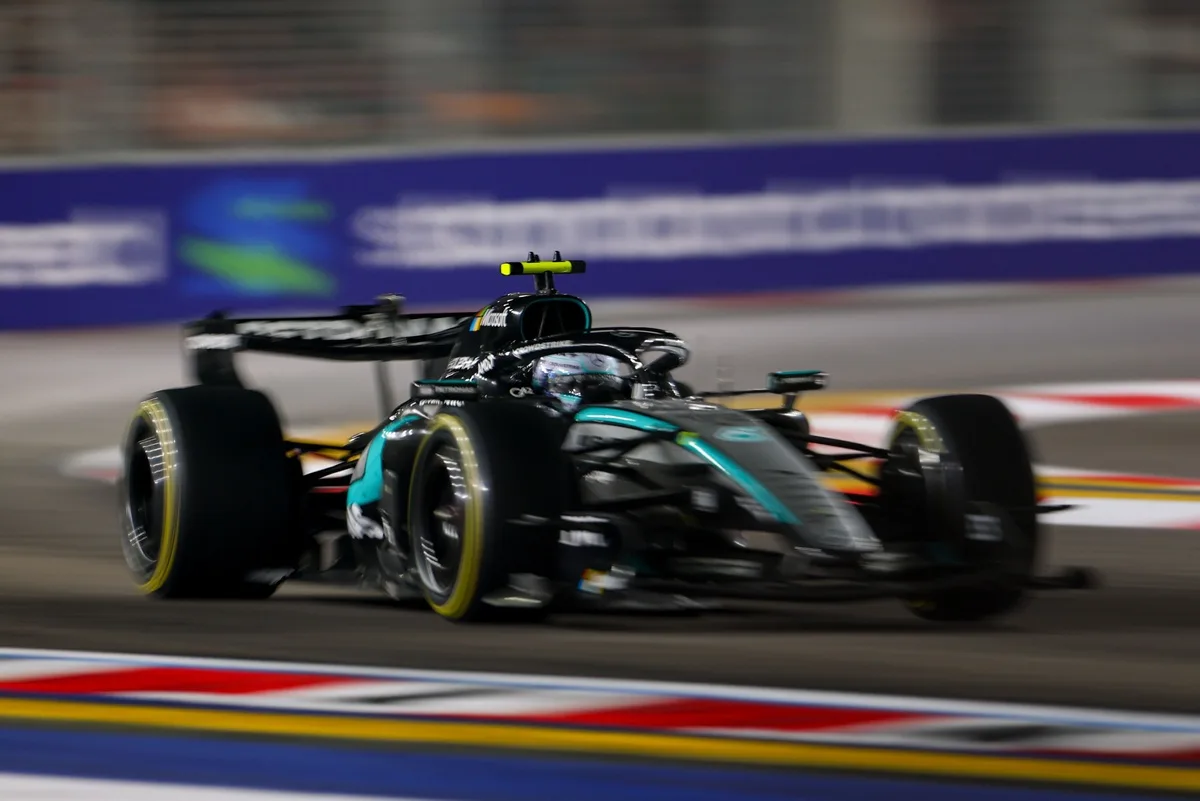
Behind the marketing jargon, there is substance. These products target not only drivers but also mechanics and engineers. Ferrari's medical team uses WHOOP data to monitor staff sleep, stress, and recovery, while Eight Sleep mattresses are designed for long journeys and time zone changes. The triple-header that just ended—from Baku, Sepang, to Singapore in three consecutive weekends—is an example of the race sequences such partnerships aim to address.
However, the biggest prize lies outside the garage. Unlike banks or cloud computing companies, wellness brands sell products that fans can buy. Celsius and Aston Martin held running clubs in Melbourne, Miami, Montreal, and London; tickets for the 5 km run in Regent's Park sold out. Liquid I.V. launched its partnership with McLaren through fan activations in Miami targeting the North American market.
"The team's average performance, rest, and stress levels have improved more than ever thanks to this collaboration," said Dr. Kristen Holmes, who leads the performance science collaboration between WHOOP and Ferrari.
Even so, there is reason for caution. Such partnerships can be short-lived. Celsius worked with Ferrari from 2023 to 2025 and personally sponsored Charles Leclerc, before moving to Aston Martin this year. Eight Sleep was once a Mercedes supplier in 2022 before reappearing at Aston Martin. And no team has published data proving whether better sleep is worth a tenth of a second on track.
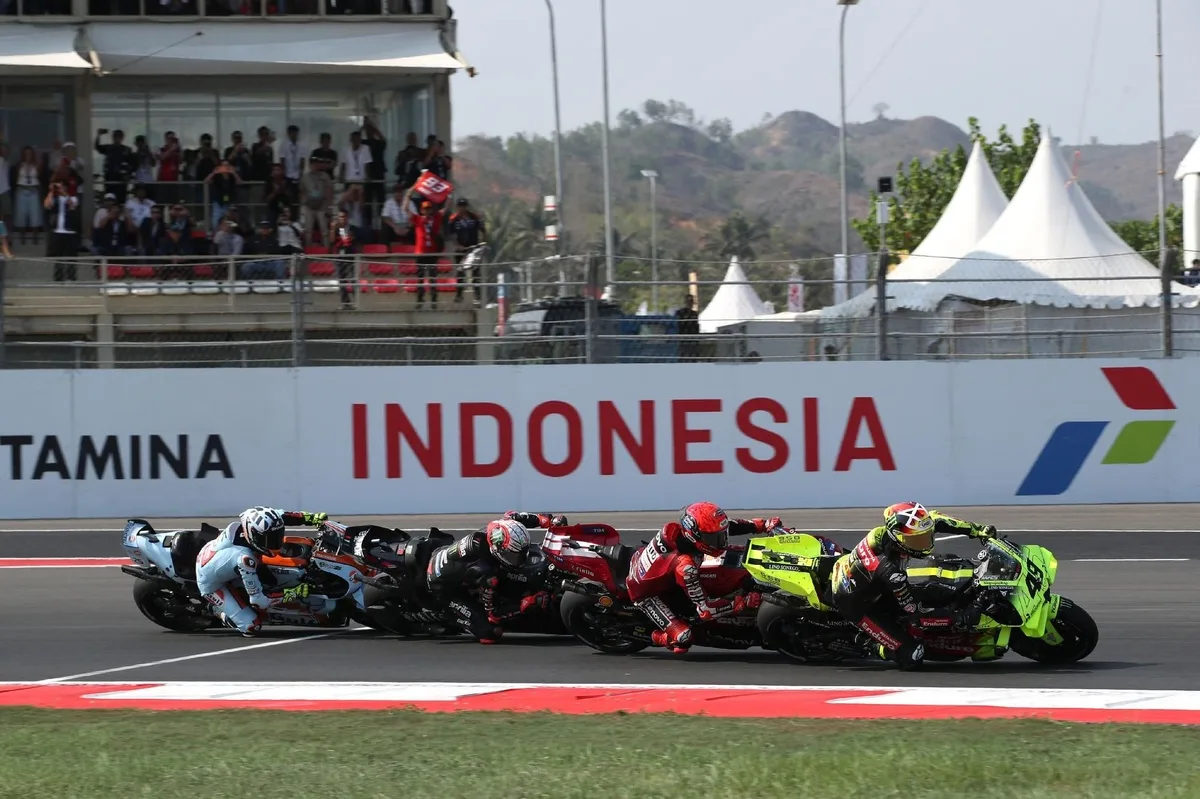
For Indonesia, this phenomenon could serve as a mirror. National racing events such as Formula E Jakarta or the Mandalika MotoGP event are also starting to court lifestyle sponsors, though on a much smaller scale and budget. If this global trend continues, it is not impossible that local health brands—from supplements to wearable devices—will make racing a new marketing channel to reach an active younger generation.
Going forward, what needs to be watched is whether these wellness partnerships will last longer than a single racing season, or whether they are just a fleeting euphoria. If the sold-out running clubs in London are any indicator, fans seem to want not only to watch races but also to adopt the lifestyle championed by their favorite teams. Will this wave reach Southeast Asia, including Indonesia, in the near future?