12 Technology Innovations of the 1970s That Became the Foundation of Today's Digital World
Baca dalam 60 detik
- Dari mikroprosesor Intel 4004 hingga Walkman, dekade 1970-an melahirkan perangkat yang menjadi akar ponsel, laptop, dan layanan streaming modern.
- Setiap inovasi tersebut melalui perjalanan panjang puluhan tahun sebelum akhirnya teradopsi massal dan mengubah perilaku konsumsi teknologi global.
- Jejak teknologi 1970-an juga terasa di Indonesia, mulai dari layar LCD pada ponsel murah hingga peta digital yang mengandalkan GPS.
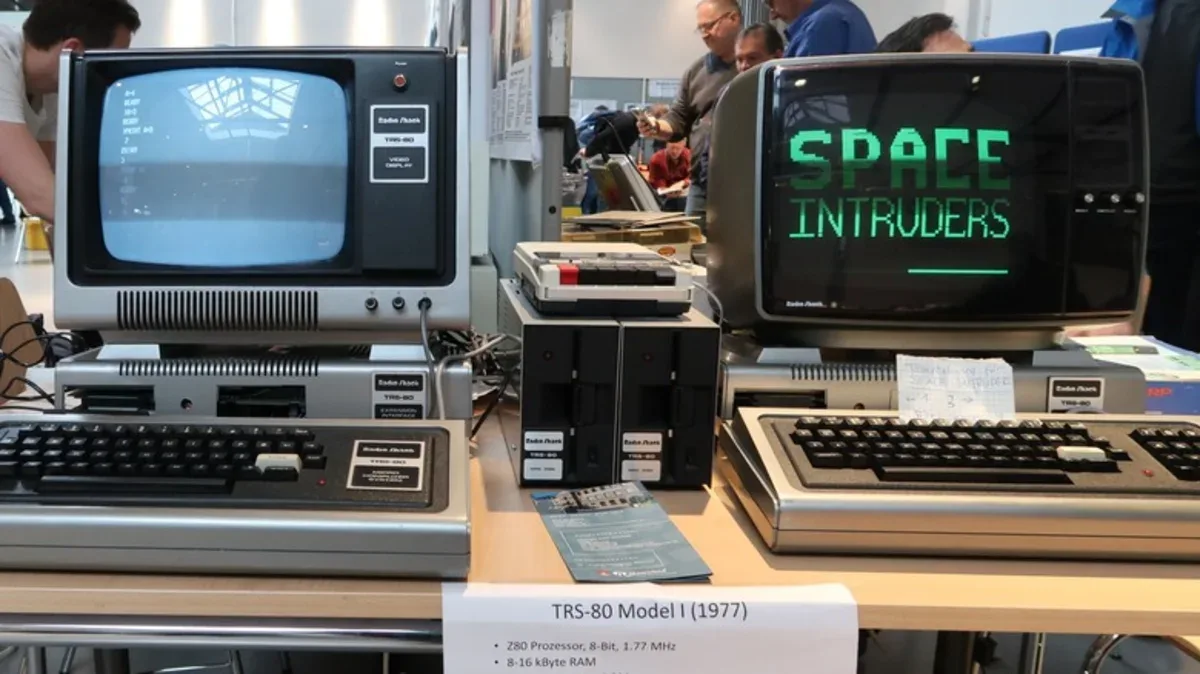
The Intel 4004 microprocessor, released in 1971, marked a turning point for the computing industry: the core components of a CPU that had previously been spread across many circuit boards were now packed into a single chip. That breakthrough paved the way for personal computers, mobile phones, and the data centers that run everyday digital services.
Before the microprocessor arrived, computing machines were large and only fit to be placed in offices or laboratories. After the Intel 4004 entered the market, France's Micral N (1973) became the first commercial microprocessor-based computer, followed by the Altair 8800 in 1975. This change was not merely about size, but about who could access computers: from institutions to individuals.
Another path of innovation came from displays. In 1970, James L. Fergason patented the twisted nematic liquid crystal display (LCD). Initially only showing simple numbers on digital clocks, the technology evolved into the thin, power-efficient, color-rich screens that now dominate laptops, monitors, and televisions. Most TVs marketed as "LED TVs" are in fact LCDs with LED backlights.
In communications, the first email was sent by Ray Tomlinson in 1971 over ARPANET, the network that was the forerunner of the internet. Its content was simple, around "QWERTYUIOP", yet it became the foundation of digital communication that now underpins business, government, and social life. In the same year, IBM introduced the floppy disk through Project Minnow, opening the way for mass software distribution and changing the face of the home PC market.
Home entertainment also changed drastically. Sony's Betamax (1975) allowed consumers to record TV broadcasts and play films at home, though it ultimately lost out to VHS. The Magnavox Odyssey (1972) became the first home game console, while Computer Space (1971) marked the birth of the commercial arcade industry. In 1979, the Sony Walkman freed music from the living room and brought it out into the streets.
"The technology we take for granted today is the result of decades of accumulated innovation that reinforced one another," goes the common thread drawn from the series of inventions of the 1970s.
Digital cameras also have their roots in this decade. The Cromemco Cyclops (1975) was the first consumer digital camera with a resolution of 32 x 32, while Steven Sasson's prototype at Kodak used a film lens, 16 AA batteries, and a Fairchild CCD sensor. It took 23 seconds to capture a single 0.01-megapixel image. Today, flagship phone cameras can produce 200 megapixels, or 20,000 times the resolution of that prototype.
For Indonesia, the technological legacy of the 1970s is not merely a historical record. LCD screens became a standard component in the cheap phones that dominate the domestic market. GPS, initially exclusive to the US military and later opened to civilians in 1989, is now the backbone of digital map applications, ride-hailing services, and national logistics. Microprocessors enabled local manufacturers to assemble electronic devices and develop a digital startup ecosystem.
The question is, which innovations of the 2020s will become the foundation of the world 50 years from now? Artificial intelligence, quantum computing, and renewable energy are in a position similar to the microprocessor in 1971: their potential is great, but mass adoption is still waiting for time and a supporting ecosystem.