Police Upgrade KM Maulana 23 Crew Trafficking Case to Investigation, 18 Suspects Named
Baca dalam 60 detik
- Polres Pelabuhan Tanjung Priok resmi meningkatkan status hukum dugaan perdagangan orang dalam kasus penganiayaan ABK KM Maulana 23 dari penyelidikan ke penyidikan.
- Dari 24 orang yang diperiksa, 18 ditetapkan sebagai tersangka penganiayaan, sementara satu lainnya masih berstatus saksi karena bukti belum lengkap.
- Kapolres menekankan perlunya sistem pengawasan terpadu lintas instansi untuk melindungi awak kapal dari eksploitasi dan kekerasan di laut lepas.
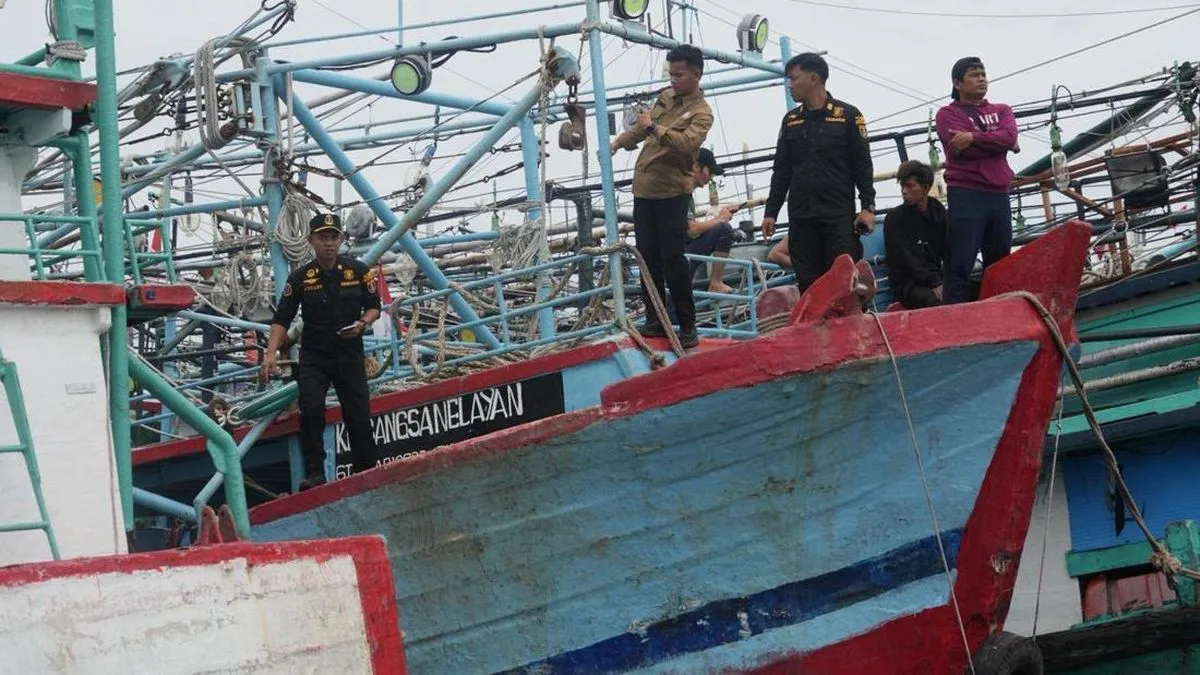
The Tanjung Priok Port Police Resort has officially upgraded the legal status of the alleged human trafficking (TPPO) case involving four crew members of KM Maulana 23 to the investigation stage. The move was taken after investigators found sufficient preliminary evidence of human exploitation behind the case of severe abuse suffered by the ship's workers.
Tanjung Priok Port Police Chief AKBP Alrasyidin Fajri said the upgrade was part of the force's commitment to resolving the case, which came to light after the abuse of several crew members. "We have upgraded this alleged trafficking case to an investigation," Alrasyidin said in a statement quoted from detikcom on Saturday (10/10).
However, Alrasyidin declined to detail the construction of the case or the technical steps investigators will take. He said the team was still working intensively to gather evidence to strengthen the trafficking allegations linked to the physical abuse on board.
Before moving into trafficking territory, the case was handled by the Aru Islands Police. Of the 24 people who underwent marathon questioning, police initially identified 19 as suspected perpetrators. However, after an in-depth evidence review, investigators named 18 people as suspects in the abuse case. One other person remains a witness because investigators did not find enough evidence to upgrade their status.
"After questioning and reviewing the available evidence, only 18 people have been provisionally named suspects," Alrasyidin explained. He added that investigators continue to complete the evidence before determining the legal certainty for the other suspect.
Alrasyidin stressed that the incident must serve as an alarm for all stakeholders to tighten oversight and guarantee the safety of crew members on the high seas. According to him, conditions on board often escape supervision because of the limited reach of authorities. "This momentum is a call for all stakeholders to create a security system for all crew members earning a living at sea," he said.
He highlighted that on the water, authorities cannot know for certain what is happening. Therefore, an integrated system involving various parties, from port authorities and harbormasters to shipping companies, is needed to prevent similar cases from recurring. "We must make this a momentum to create a system together with all stakeholders," he stressed.
The KM Maulana 23 case highlights gaps in protection for commercial vessel crew, especially those working on remote shipping routes. Trafficking practices in the maritime sector are often concealed in the form of unofficial job placement, unpaid wages, and physical violence. Weak oversight at small ports and minimal reporting mechanisms make it difficult for victims to get help.
The upgrade to a trafficking investigation opens the door for authorities to charge perpetrators with multiple articles, including the Anti-Trafficking Law, which carries heavier penalties than abuse articles. However, the main challenge remains proving the elements of trafficking, such as illegal recruitment, deception, and forced labor exploitation, which require witness testimony and evidence of travel documents and employment contracts.
Going forward, the public will be watching whether this investigation can uncover a wider network, including the possible involvement of labor recruitment agencies. In addition, pressure to strengthen regulations protecting crew members on people's shipping routes will grow stronger. Without systemic improvements, similar cases risk recurring in other waters far from the oversight radar.