The Tradition of Hosting Guests at Home Is Fading, and This Is Its Impact on Mental Health
Baca dalam 60 detik
- Angka kebiasaan menjamu tamu di rumah di AS merosot tajam dari 42% pada 1975 menjadi 12% pada 2026, memicu kekhawatiran para ahli.
- Faktor ekonomi, tekanan sosial media, dan perubahan gaya hidup membuat orang enggan membuka pintu rumah bagi kerabat.
- Psikoterapis memperingatkan bahwa hilangnya interaksi tatap muka di rumah dapat memperdalam krisis kesepian dan melemahkan ikatan pertemanan.
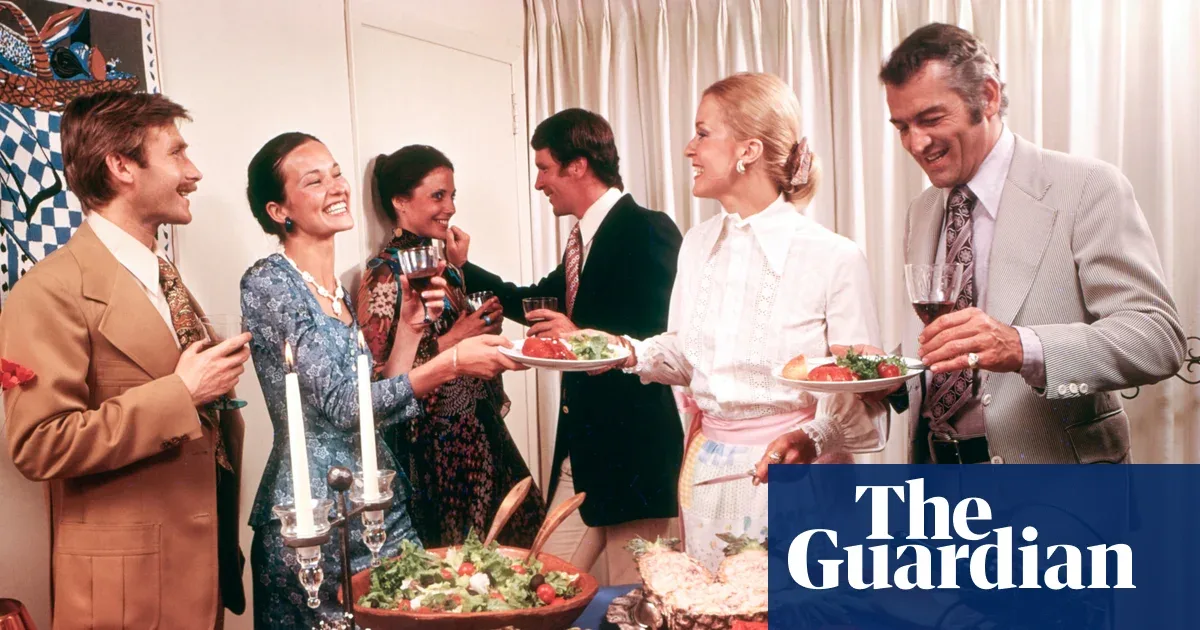
The habit of inviting relatives or close friends to share a meal in one's own home is increasingly being abandoned. Recent data from the United States shows that only 12% of people regularly hosted guests at home in 2026, a sharp drop from 42% in 1975. A similar trend has hit the UK, where more than four in ten adults say they avoid gatherings at home because they dread tidying up afterwards.
This change is not merely a matter of culinary preference. Anthropologists and psychotherapists see the shift as a signal of weakening social bonds at the most basic level. Robin Dunbar, the anthropologist famous for the theory of "Dunbar's number", argues that people still genuinely want to host guests at home, but the ever-expanding sprawl of big cities stretches social and physical distances apart. He cites the "30-minute rule": if someone lives more than half an hour away, the frequency of meetings tends to plummet because the time and energy required are too great.
Psychotherapist Kamalyn Kaur has observed this cultural shift since the 1980s. In the past, neighbours could simply drop by her parents' house just to drink tea for half an hour. Now, visits almost always begin with a short message and an appointment. "The upside is that we respect other people's time and space. The downside is that spontaneity and the warmth of interaction are lost," she said.
Psychological and economic burdens are the main triggers. Hosting guests is now seen as extra work: planning the menu, cooking, serving, then cleaning up. Add to that the aesthetic pressure popularised by social media. The house must look tidy, the food must be instagramable, and the dining table must be perfectly arranged. "Social media creates unrealistic expectations of a home. Many people worry their house does not meet the standard," Kaur said.
This pressure is compounded by changing patterns in child-rearing. Anthropologist Dunbar notes that before the 1960s, children were more independent and played in the streets. Now, they spend more time at home and take part in various extracurricular activities, leaving parents exhausted and reluctant to receive guests. On top of that, the post-pandemic work-from-home culture makes the house feel like a second office. "You need a change of scenery. It is hard to switch off work mode if you stay at home," Kaur said.
Chef Therese Lum from Sydney adds that cooking shows on television have also shaped the perception that hosting guests must be perfect. "Add a tiny apartment, a busy week, and the cost of hosting many people, and eating out feels easier. Hosting guests now feels like work," she said.
"There is a vulnerability in letting other people see your home. By not hosting guests, we reveal less about ourselves, which then affects the depth of friendships," said Kamalyn Kaur, psychotherapist.
Even so, not everyone has given up on this tradition. Kaur still regularly hosts her old friends. She recalls visiting a friend's house whose floor was covered in LEGO toys and still feeling comfortable. "I always encourage people to do what suits their energy levels and mental health. If it is forced, the result is counterproductive," she said.
Chef Therese Lum, by contrast, sees a noble value in hosting guests. "It is one of the most generous acts. Eating together creates a connection that is hard to find elsewhere. Guests will not remember whether the napkins matched; what they remember is the feeling of being cared for," she said.
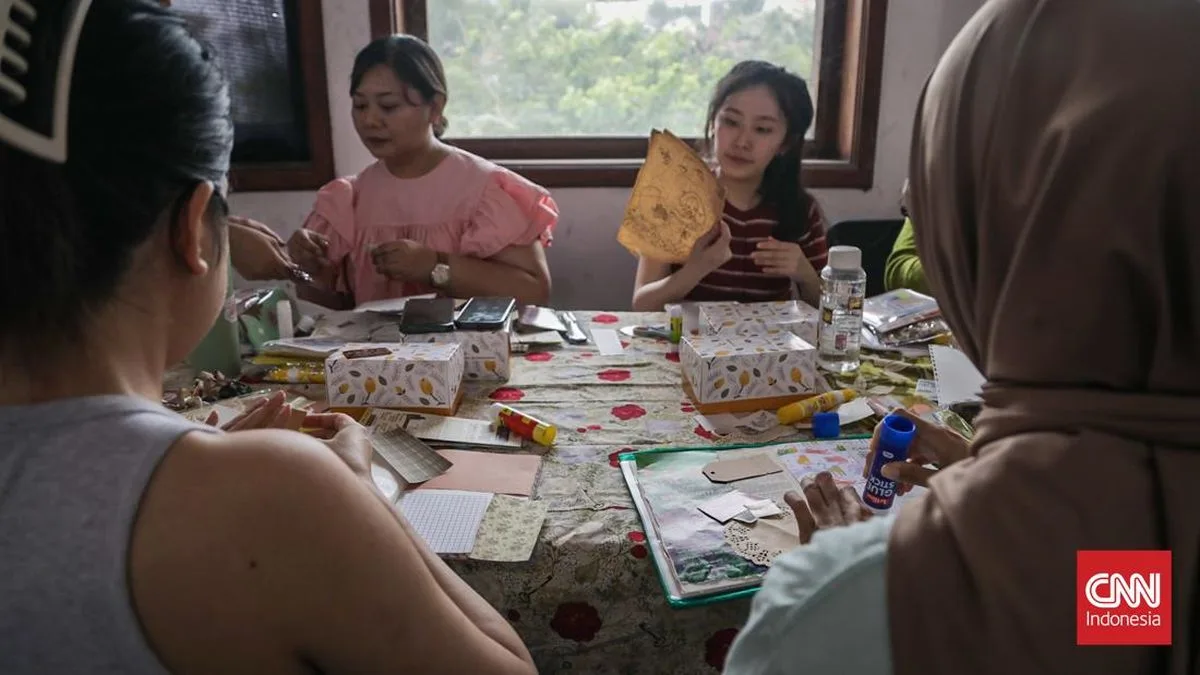
This phenomenon is also beginning to appear in Indonesia, especially in big cities such as Jakarta, Surabaya, and Bandung. Work pressures, traffic congestion, and property prices that make homes ever smaller are obstacles. The "open house" culture during Lebaran or family gatherings still endures, but spontaneous everyday visits are increasingly rare. Young urbanites prefer to meet at cafes or restaurants, which are seen as more practical and hassle-free.
Yet the World Health Organization (WHO) has long warned that isolation and loneliness have serious effects on physical and mental health. Hosting guests at home, however small the occasion, can be a simple antidote. The question is, will we let this tradition keep eroding under the demands of the times, or will we start opening the door and brewing tea for a neighbour again?