Margaret Hamilton, the Woman Behind the Apollo 11 Landing, Dies at 90
Baca dalam 60 detik
- Margaret Hamilton, ilmuwan komputer yang mengembangkan perangkat lunak misi Apollo 11, meninggal pada 30 September 2026 di usia 90 tahun.
- Kode yang ia tulis menyelamatkan pendaratan bulan saat komputer onboard mengalami alarm darurat, sebuah momen yang kemudian diakui oleh Presiden Obama.
- Warisan Hamilton menegaskan pentingnya rekayasa perangkat lunak dalam eksplorasi antariksa dan menjadi fondasi bagi generasi insinyur berikutnya.
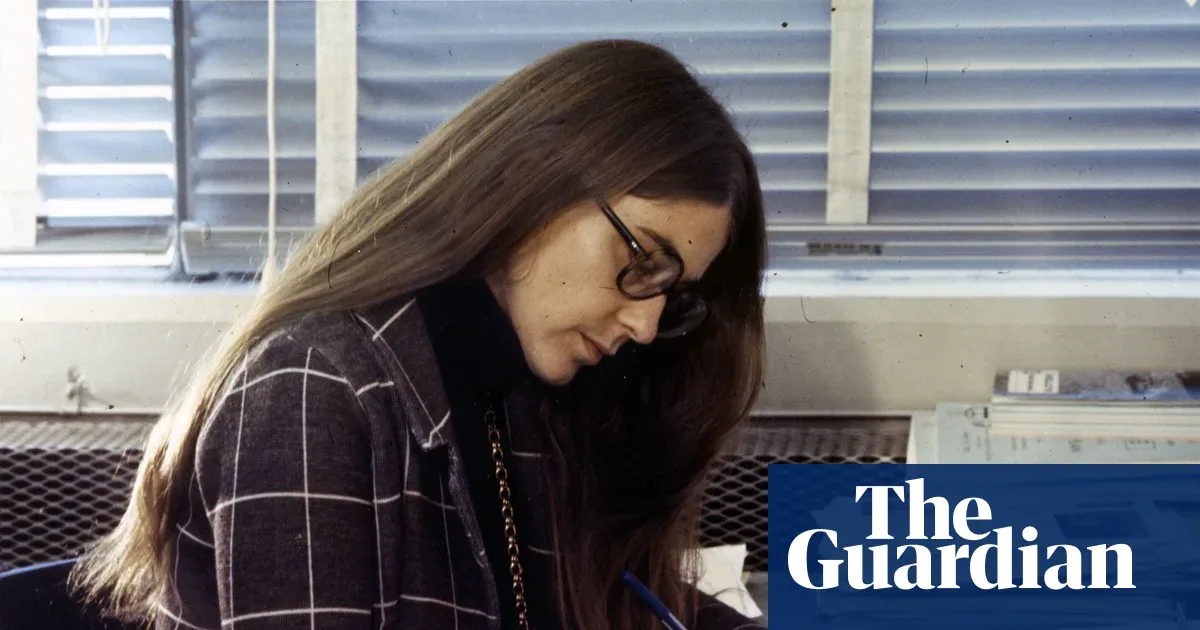
Margaret Hamilton, the software pioneer whose code guided humans to the lunar surface for the first time, died on 30 September 2026 at the age of 90. The news was announced by the Massachusetts Institute of Technology (MIT) on Wednesday (7/10). Hamilton was known as a computer scientist whose expertise saved the Apollo 11 mission from fatal failure.
In 1969, minutes before the Apollo 11 lunar module touched down on the moon's surface, the onboard computer sounded an emergency alarm. The situation forced the mission team to decide whether to abort the landing or continue. Thanks to the software designed by Hamilton and her team, the system automatically detected the hardware problem and took over priority tasks. The decision to press on made history.
"It quickly became clear that the software was not only informing us of a hardware problem but also compensating for it – restarting and reassigning the highest-priority tasks. The error detection and recovery mechanism saved the day," Hamilton said in an interview with the Guardian in 2019.
Before becoming an icon in the space world, Hamilton learned programming under the guidance of a renowned meteorologist at MIT. At the time, the term "software engineer" was not yet common. She then honed her skills at the MIT laboratory, writing software to detect enemy aircraft. When MIT won a contract from NASA to develop the Apollo flight software, Hamilton seized the opportunity.
"I was interested in the idea itself and the fact that it had never been done before. I was the first programmer to join and the first woman they hired," she recalled.
Hamilton's contribution not only saved the Apollo 11 mission but also laid the foundation for the modern discipline of software engineering. In 2016, President Barack Obama awarded her the highest honor for American civilians, the Presidential Medal of Freedom, specifically citing Hamilton's service. "Our astronauts didn't have much time, but thankfully they had Margaret Hamilton," Obama said at the time.
For Indonesia, Hamilton's story is a mirror of how crucial mastery of software technology is in strategic industries. Today, Indonesia is ramping up satellite and space technology development through the National Institute of Aeronautics and Space (Lapan) and the National Research and Innovation Agency (BRIN). The lesson from Hamilton is that the courage to be a pioneer in an untouched field, as she did decades ago, is the key to leaping forward. Without a robust software foundation, grand ambitions in space exploration and digital transformation can falter.
Hamilton leaves behind an enduring legacy. In an interview with MIT News in 2009, she reflected on her role: "Looking back, we were the luckiest people in the world; there was no choice but to be pioneers; no time to be beginners." That spirit remains relevant today, especially as the world races back to Mars and the moon. Will the next generation be able to emulate Hamilton's resilience and vision?