Burnham Meets Merz in Berlin: Ratification of the Kensington Treaty and the Russian Cyber Threat
Baca dalam 60 detik
- PM Inggris Andy Burnham melakukan kunjungan resmi pertama ke Jerman untuk membahas kerja sama keamanan siber dan sabotase dengan Kanselir Friedrich Merz.
- Kedua pemimpin akan meratifikasi Traktat Kensington 2025, komitmen kerja sama di bidang sains, teknologi, pertahanan, dan keamanan.
- Kunjungan ini terjadi di tengah meningkatnya ancaman hibrida dari Rusia dan ketidakpastian politik domestik di kedua negara.
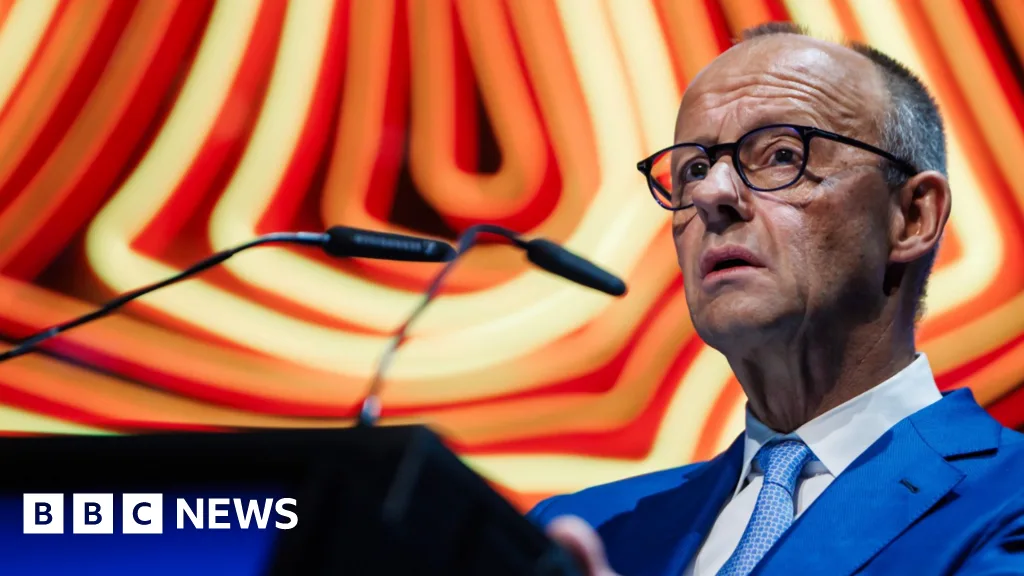
British Prime Minister Andy Burnham will meet German Chancellor Friedrich Merz in Berlin on Thursday (26/9/2025) to discuss cooperation in confronting cyber threats and sabotage. Burnham's first official visit to Germany marks a new chapter in bilateral relations between the two countries, with a focus on the rising hybrid threat from Russia.
Downing Street stated that increased cooperation in confronting the hybrid threat from Russia will be the main agenda. The intelligence agencies of both countries have warned of the growing threat, including an incident last month when Germany accused Russia of launching a drone carrying explosives at Leipzig/Halle Airport. The incident underscores the vulnerability of Europe's critical infrastructure to asymmetric attacks.
During the meeting, the two leaders will ratify the 2025 Kensington Treaty, a partnership agreement committed to addressing hostile activity through deeper cooperation in science, technology, defense, security, and economic growth. The treaty serves as the legal foundation for the two countries' strategic collaboration in facing global challenges.
Burnham stressed that the UK and Germany are "joining together to find, expose, and disrupt" threats. "Attacks on our infrastructure, businesses, and democracy are not a distant threat. They reach our homes and workplaces, and are designed to make us weaker and more divided," he said before the visit.
"Attacks on our infrastructure, businesses, and democracy are not a distant threat. They reach our homes and workplaces, and are designed to make us weaker and more divided." — Andy Burnham
The visit also comes amid political uncertainty in both countries. Burnham replaced Sir Keir Starmer last July after Starmer was forced to step down by his own MPs, just two years after winning an election with a large majority. Meanwhile, Merz faces rumors of being replaced by his party due to low approval ratings and setbacks in regional elections. Although Merz appears to have weathered his leadership crisis, questions about his future still loom.
Furthermore, this intelligence cooperation is clouded by doubt following the surprise arrest of former head of the Federal Intelligence Service (BND) August Hanning. Hanning, who led the BND from 1998 to 2005, is accused of espionage, treason, and obtaining secret information for a foreign power. The arrest raises questions about Germany's reliability as an intelligence partner, just as the two countries seek to strengthen security cooperation.
For Indonesia, the dynamics of UK-Germany security cooperation have indirect implications. As a country that also faces cyber threats and disinformation, Indonesia can learn from Europe's efforts to build a cross-border cooperation framework to counter hybrid threats. Bilateral cooperation strengthened through such a treaty demonstrates the importance of political and legal commitment in facing non-traditional security challenges. Indonesia itself is strengthening the National Cyber and Crypto Agency (BSSN) as well as regional cooperation in ASEAN to face increasingly sophisticated cyber attacks.
Going forward, the successful ratification of the Kensington Treaty will be a test of the UK and Germany's ability to translate commitments into concrete action. The big question: is this cooperation enough to address the evolving hybrid threat, especially when domestic political stability in both countries remains fragile? The world will be watching whether this alliance can serve as a model for international security cooperation in an era of uncertainty.