New Police Chief Pressed to Fix Reporting Services: Citizens Have the Right to Know, Not Just to Report
Baca dalam 60 detik
- Anggota Komisi III DPR Abdullah meminta Kapolri Jenderal Suyudi Ario Seto menjamin setiap laporan warga tercatat dan pelapor mendapat kabar perkembangan kasus.
- Desakan ini muncul di tengah keluhan lama soal laporan yang hilang tanpa penjelasan, yang selama ini menggerus kepercayaan publik terhadap Polri.
- Jika tak ada perbaikan standar respons, kepercayaan masyarakat berisiko tetap rendah meski ada pergantian pimpinan di institusi kepolisian.

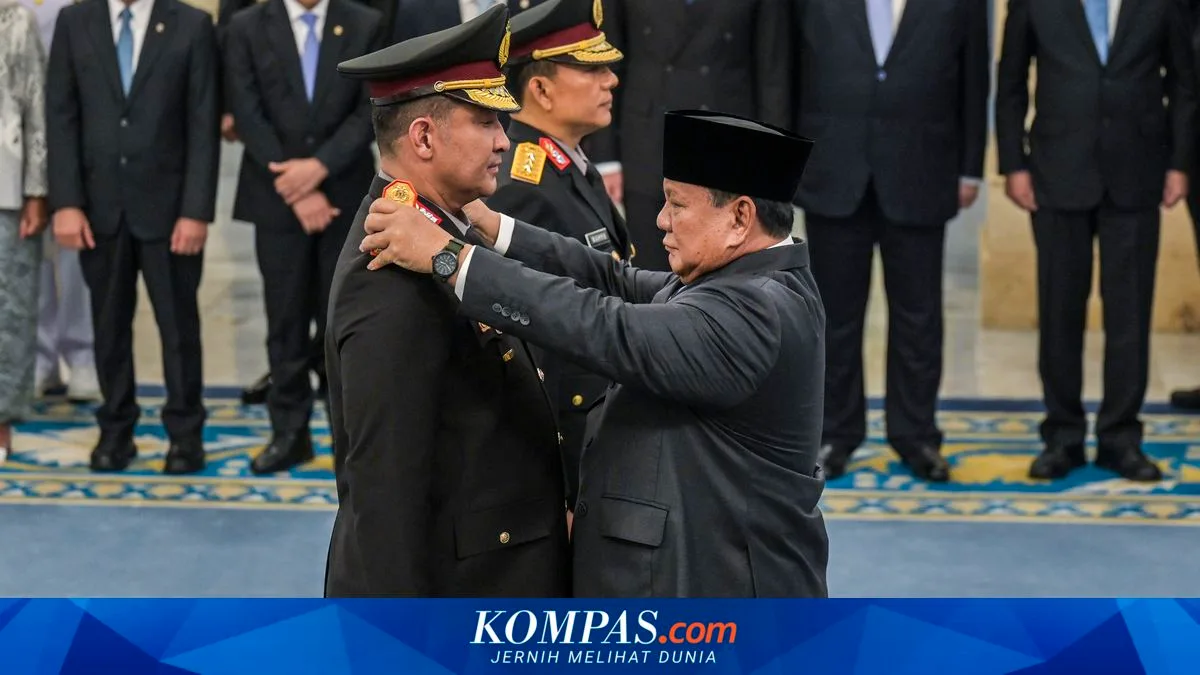
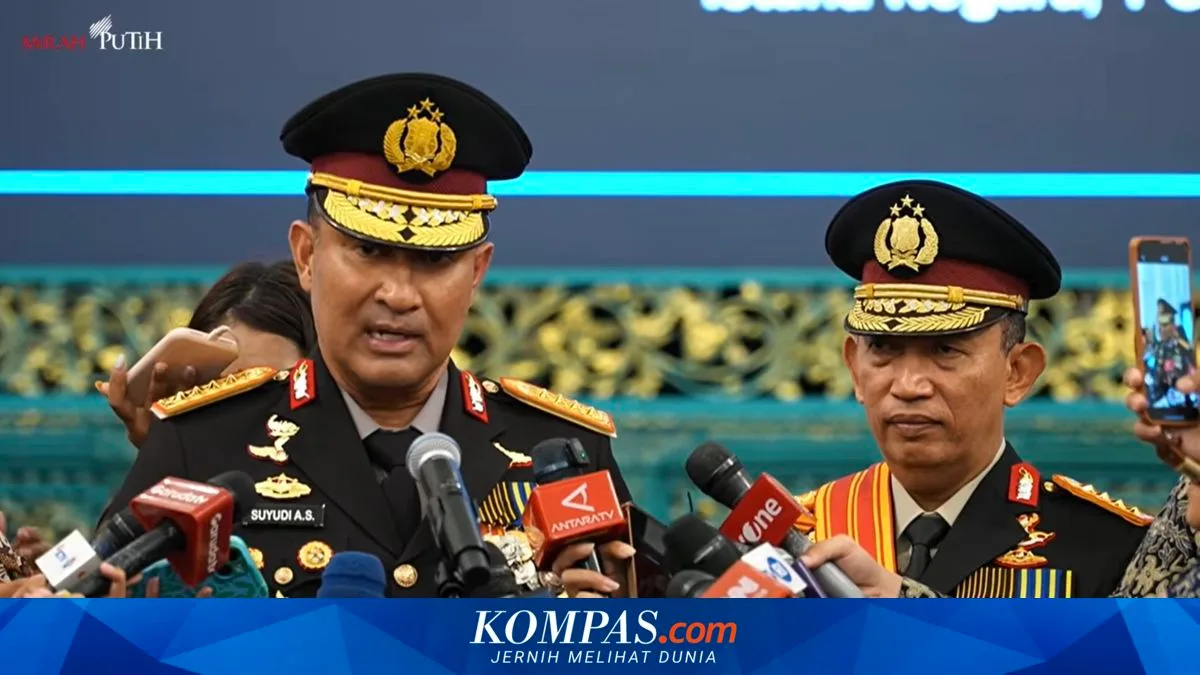
Abdullah, a member of the House of Representatives (DPR RI) Commission III, is pressing National Police Chief General Suyudi Ario Seto to ensure that no public report ends without clarity. The demand comes after Suyudi's inauguration as the top official in the Bhayangkara Corps, and it is the first test of his new leadership: whether promises of public service truly reach the police sector level, or stop at ceremonial speeches.
Abdullah argues that the fundamental problem is not the speed of case resolution, but the transparency of the process. Citizens who have filed reports, according to him, have the right to know whether their report was accepted, is being handled, or has been forwarded to another unit. Without that information, complainants are left guessing and eventually reluctant to return to the police station.
"People do not always demand that a case be resolved instantly. What they need is certainty that a report is received, handled, and has a clear follow-up," Abdullah said in a written statement, Saturday (3/10/2026).
The PKB politician highlighted the importance of a consistent response standard. Although each case has a different level of complexity, he stressed that complainants still need updates on follow-up actions. He also pushed for strengthening complaint channels when citizens encounter service obstacles or suspect violations by police officers.
In Abdullah's view, public trust is not built through slogans, but through citizens' direct experience when dealing with the police. A quick response to protection needs, clarity of investigation stages, and legal certainty are the three pillars that determine whether this institution is trusted or avoided.
He also reminded that speeding up services must not sacrifice the quality of investigations. Victims must still receive protection, the rights of the reported party must still be safeguarded, and every law enforcement action must be grounded in evidence. That principle, according to him, is a guardrail so that service reform does not turn into mere formality.
This demand touches a classic problem that is rarely resolved: the gap between promises at headquarters and reality on the ground. Many citizens complain that their reports vanish after being received, with no notification letter on progress, no clear registration number, and no certainty about when the case will be processed. When such complaints pile up, the effect is not only individual disappointment, but a slow erosion of the institution's legitimacy.
Abdullah stressed that service improvements must be accompanied by resource support: adequate personnel, training, work facilities, and legal assistance. Without that, high response standards will only become an additional burden for officers in the field, which in the end again sacrifices service quality.
He assured that Commission III will carry out its oversight function alongside the support it provides. The goal is for change to be truly felt by citizens, for officers to receive support to work professionally, and for legal processes to run fairly and accountably.
The question now is whether Police Chief Suyudi can translate that demand into a measurable system — for example, deadlines for periodic information updates, genuinely responsive complaint channels, and regular evaluations at the police sector level? Without such mechanisms, a change of leadership risks merely repeating the same cycle: high hopes at the start, then disappointment that piles up again.