Prabowo Inaugurates 26 Wantimpres Members, Observers Call It a Strategy to Embrace All Groups
Baca dalam 60 detik
- Presiden Prabowo Subianto resmi mengangkat 26 anggota Dewan Pertimbangan Presiden (Wantimpres) melalui Keppres Nomor 107/P 2026, dengan Pratikno sebagai ketua dan Hatta Rajasa sebagai wakil.
- Pengamat politik Adi Prayitno menilai langkah ini sebagai wujud nyata mazhab politik Prabowo yang inklusif, menghimpun tokoh lintas latar belakang tanpa memandang afiliasi.
- Komposisi Wantimpres yang diisi mantan menteri, ulama, pengusaha, dan akademisi berpotensi memperkuat koalisi besar, namun juga memunculkan tantangan efektivitas dan independensi dewan penasihat.
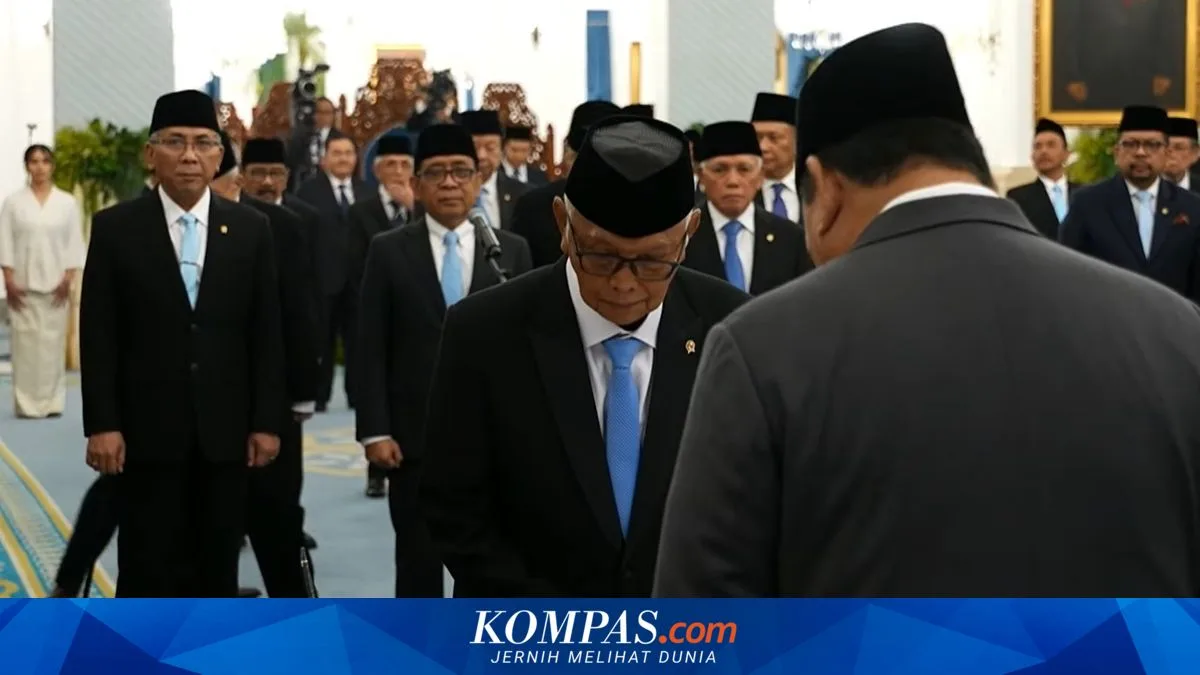
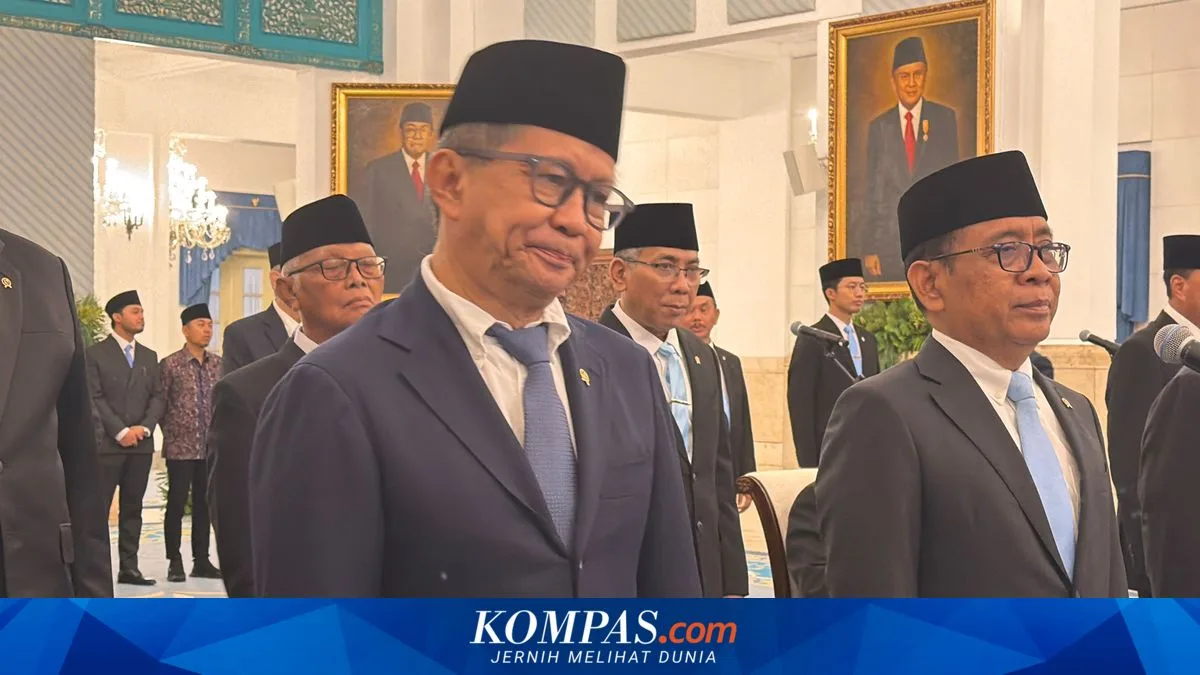
President Prabowo Subianto officially inaugurated 26 members of the Presidential Advisory Council (Wantimpres) on Friday (2/10/2026) in Jakarta. The inauguration was carried out based on Presidential Decree Number 107/P of 2026, which placed Pratikno as Chairman of Wantimpres, Hatta Rajasa as Deputy Chairman, and M Qodari as Secretary. The composition of the advisory council drew attention because it brought together national figures, former ministers, politicians, clerics, and businesspeople under one roof.
The move is seen as an embodiment of Prabowo's political strategy, which has long been known as inclusive. Executive Director of Parameter Politik Indonesia, Adi Prayitno, said Prabowo has consistently adhered to a "school of embracing all groups" in building the nation. According to him, the president believes that development cannot be carried out alone, so input from various figures with experience in their respective fields is a necessity.
Adi Prayitno added that the figures inaugurated mostly already had successful track records in their fields, even beyond matters of position. "On average, they have already succeeded in their respective fields," he said. He also reminded that Prabowo has often emphasized the importance of cooperation with all parties in a number of his political speeches, so this inauguration is a concrete step from that rhetoric.
"Prabowo's political school is the school of embracing all groups," Adi Prayitno told Kompas.com on Friday (2/10/2026).
In terms of composition, this Wantimpres reflects an effort to consolidate broader political forces. The presence of cross-religious figures such as Shinta Nuriyah Wahid, Quraish Shihab, Said Aqil Siradj, and Yahya Cholil Staquf shows an inclusive religious approach. Meanwhile, names such as Agum Gumelar, Bambang Soesatyo, and Rocky Gerung indicate that Prabowo also embraces the military, legislative, and critical intellectual circles. Not to be outdone, businesspeople such as Dato Sri Tahir and Jusuf Hamka strengthen the representation of the business world.
For Indonesia, this move can be read as a strategy to strengthen the government's legitimacy amid continuously shifting political dynamics. Wantimpres has a strategic role as an adviser to the president, although it does not hold executive power. With its bloated composition, the effectiveness of the council's work has come under scrutiny. Will 26 people be able to work in synergy, or will they instead slow down decision-making? The public awaits how the internal coordination mechanism will be carried out.
In addition, the presence of figures who were previously politically opposed, such as Rocky Gerung, raises questions about independence and internal dynamics. On one hand, this could be a symbol of reconciliation; on the other hand, there is a risk of co-optation that dampens critical voices. Observers will examine whether Wantimpres truly becomes a forum for substantive discussion or merely a collection of big names.
Going forward, the effectiveness of Wantimpres will be tested by various national challenges, ranging from global economic uncertainty, the energy transition, to domestic socio-political issues. If it can function optimally, this council can become a bridge between the government and various elements of society. However, if it becomes merely a symbol, public criticism will grow stronger. The question is, will Wantimpres become a driving force of policy or merely a complement to the power structure?