Budi Tanuwibowo Joins Wantimpres: Confucians Finally Sit at the State Table
Baca dalam 60 detik
- Ketua Matakin Budi Tanuwibowo dilantik sebagai anggota Wantimpres dalam rombongan 26 orang yang dikukuhkan Prabowo.
- Kehadiran perwakilan Konghucu dinilai menandai pengakuan simbolik terhadap kelompok yang pernah dibekukan rezim Orde Baru selama dua dekade.
- Pertanyaannya kini: apakah inklusi di lembaga penasihat mampu mendorong kebijakan afirmatif yang lebih konkret bagi umat Konghucu?
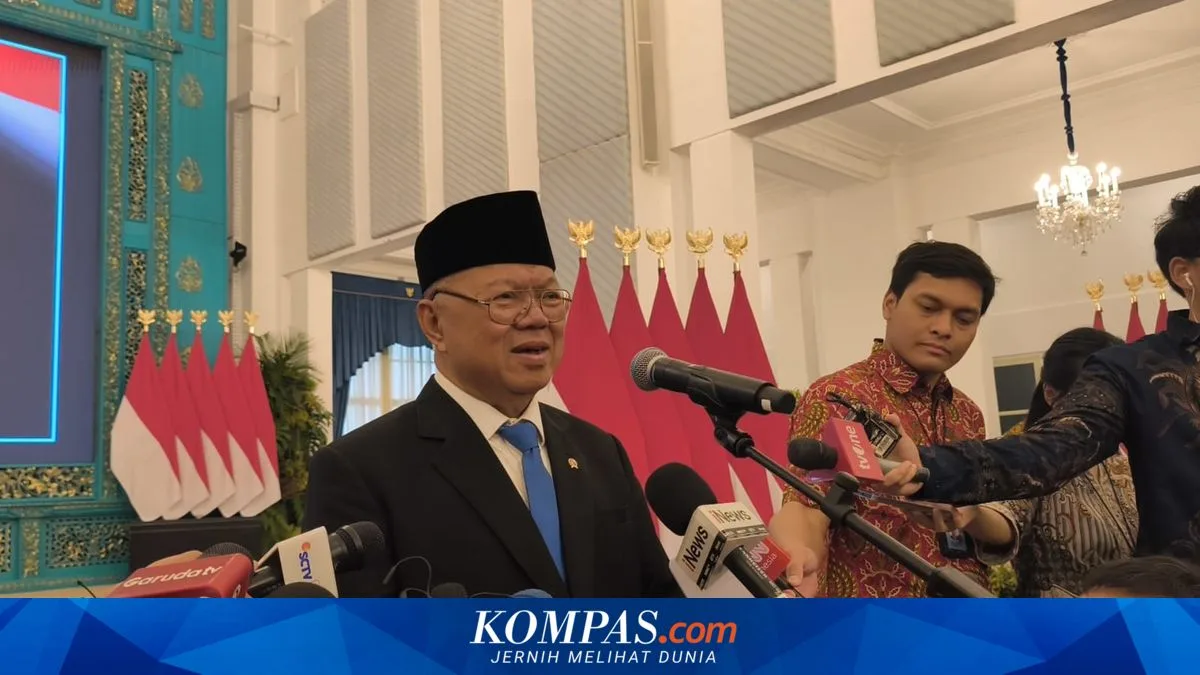
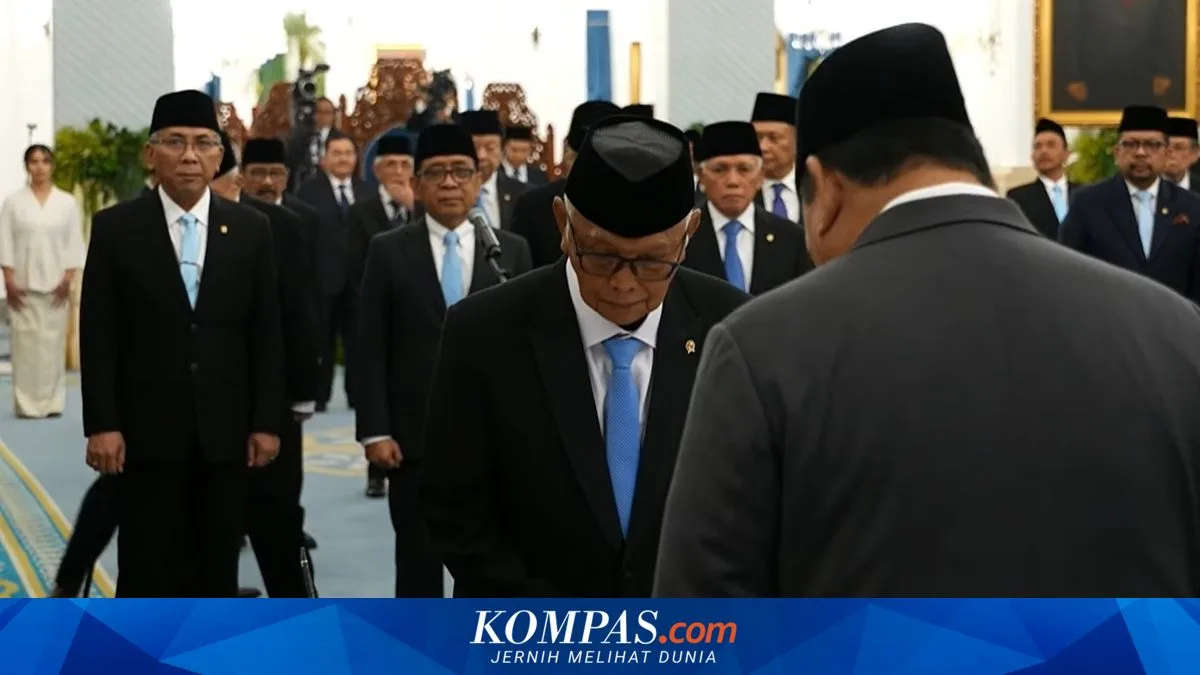
President Prabowo Subianto has officially appointed Budi Tanuwibowo, Chairman of the Supreme Council of the Indonesian Confucian Religion (Matakin), as a member of the Presidential Advisory Council (Wantimpres). The appointment is set out in Presidential Decree Number 107/P of 2026, alongside the inauguration of 26 Wantimpres officials at the State Palace on Friday (2/10/2026).
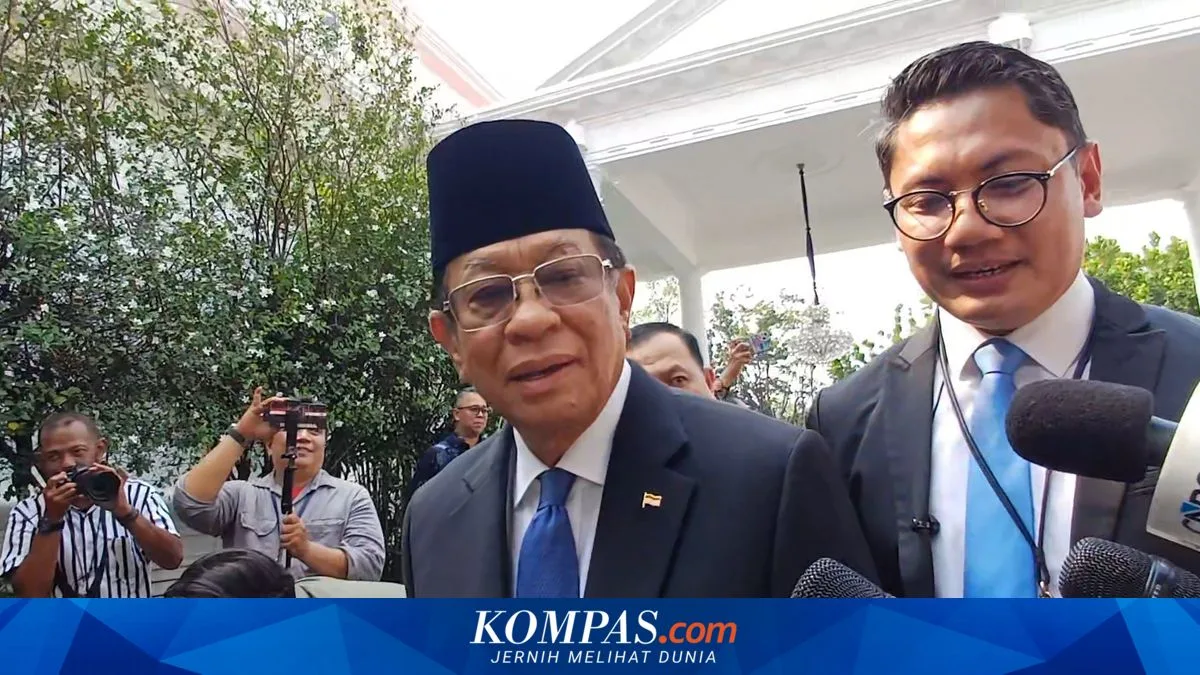
Budi said he did not expect his name to be on the list. He received the news by telephone from Cabinet Secretary Teddy Indra Wijaya on the morning of the inauguration. "I was very surprised because, as friends may know, I come from the Confucian community, the smallest in number, and we went through a long freeze from 1978 to 1998," he said in a written statement.
Budi's statement touches on a dark chapter in the history of religious freedom in Indonesia. For two decades, the New Order regime restricted the expression of Confucian beliefs through a series of regulations, including Presidential Instruction Number 14 of 1967. The freeze was only lifted during the administration of B.J. Habibie, when Gus Dur later strengthened recognition by revoking the instruction in 2000. However, the restoration of the civil rights of Confucians has been slow, and their political representation at the national level has been almost unheard.
In the context of contemporary politics, Prabowo's move to bring a Confucian representative into the presidential advisory circle can be read as a signal that the ruling coalition wants to embrace a minority group that has long been marginalized. Wantimpres itself is not an executive body with decision-making authority, but a body that provides strategic advice to the president. Nevertheless, its composition often mirrors the identity politics direction of an administration.
Budi considers his presence at Wantimpres to strengthen the meaning of Bhinneka Tunggal Ika. "Hopefully, with togetherness that is more complete and stronger, this Indonesia that we love, whose potential we know is so great, plus the harmony and alertness of its people, I am confident Indonesia will move forward," he said.
Even so, a number of observers remind that symbolic representation does not automatically translate into affirmative policy. Confucians still face challenges in the recognition of their religion's status on population documents, access to religious education in public schools, and the establishment of houses of worship. The presence of one seat at Wantimpres is seen as insufficient to address those structural problems.
On the other hand, the inauguration also marks Prabowo's recruitment pattern of combining cross-faith figures, former ministers, politicians, and businesspeople. Besides Budi, names such as Shinta Nuriyah Wahid, Muhammad Quraish Shihab, Said Aqil Siradj, Yahya Cholil Staquf, and Jusuf Hamka sit in the same ranks. This composition shows an effort to embrace a broad spectrum, although its effectiveness still has to be tested through the recommendations it produces.
For the Confucian community, this moment could be a psychological turning point after decades of feeling treated as second-class citizens. But the critical question is: will Budi's presence at Wantimpres encourage the birth of more inclusive policies, or merely become a symbol of harmony without the power to change? The public will wait to see whether issues such as full recognition of the Confucian religion and protection of the civil rights of minority believers will enter the agenda of Wantimpres recommendations going forward.