Tony Blair: UK Only Fit to Rejoin EU If It Reforms Technology
Baca dalam 60 detik
- Mantan PM Tony Blair menegaskan keanggotaan kembali Inggris di Uni Eropa bergantung pada reformasi internal dan inovasi teknologi.
- Blair menilai Brexit sebagai kesalahan, tetapi menolak gagasan bergabung kembali tanpa syarat karena Eropa dinilai salah arah dalam kebijakan teknologi.
- Pernyataan ini muncul saat PM Andy Burnham menyepakati kesepakatan baru dengan Uni Eropa, termasuk kemitraan digital dan AI.
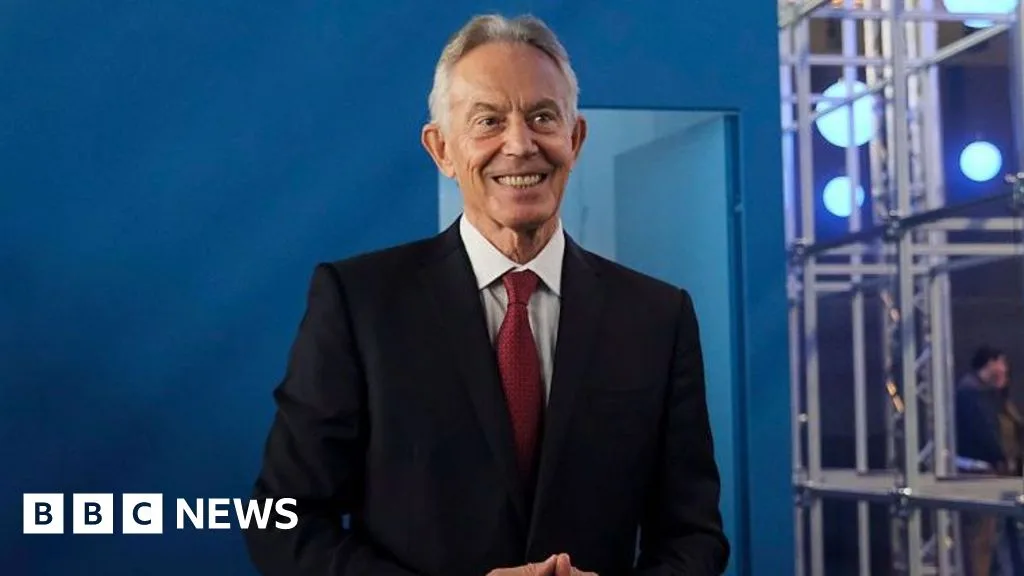
Former UK Prime Minister Tony Blair has stressed that Britain should only rejoin the European Union if the bloc carries out reforms and opens more room for technological innovation. The statement, made in an interview with The Sunday Times as cited by the BBC, signals that the issue of European membership is heating up again after years of being frozen by Brexit.
Blair, known as a staunch opponent of Britain's exit from the EU, called Brexit a "real mistake". But he rejected any suggestion that his position supports an unconditional return. "I'm portrayed as saying Britain should immediately go back and join. I'm not saying that. It's very conditional," he said. He stressed that the current debate differs from 2016 because the technology landscape has changed fundamentally.
According to Blair, Europe may now be moving in the wrong direction on technology innovation policy. He warned that the technology revolution is the biggest factor determining a country's competitiveness. If the EU instead takes steps that hinder innovation, then rejoining would not automatically benefit Britain. "That's what has changed in the last ten years," he said. Blair urged Britain to be ambitious about reforming the EU from within, but to remain ready to leave the negotiating table if the conditions are not met.
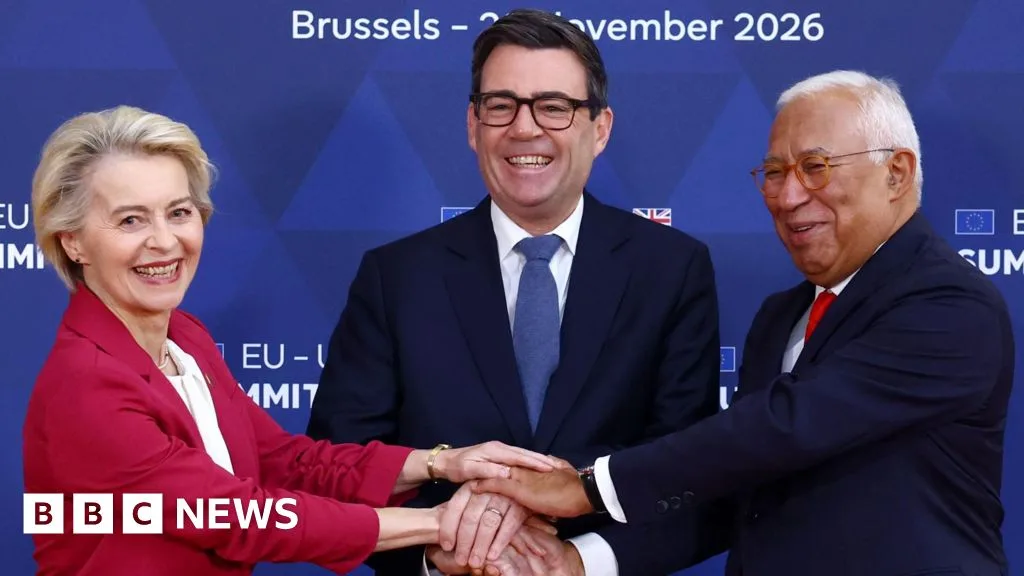
Blair's statement comes amid moves by Prime Minister Andy Burnham's government, which has just completed a deal with the EU. The agreement covers UK food exports, emissions trading, and a youth exchange scheme. European Commission President Ursula von der Leyen also announced a digital partnership between the two sides, focusing on artificial intelligence (AI) and quantum technology. "We have huge potential to innovate together," von der Leyen said. The deal is part of a post-Brexit "reset" of relations begun by Burnham's predecessor, Sir Keir Starmer.
Burnham, however, did not mention the possibility of Britain rejoining the EU. He said only that in the months ahead of the next UK-EU summit, both sides would hold an "informal brainstorming process" to explore options for a long-term relationship. European Council President António Costa stressed that the EU remains "open to building as close a relationship as possible" with Britain. But Conservative Party leader Kemi Badenoch called the deal "unfair", while Nigel Farage of Reform UK called it "a betrayal of the British people".
Blair also highlighted the risks of artificial intelligence, which he likened to fire: it can cook food, but it can also burn down a house. According to him, the risks of AI are enormous and the technology can be used for good or ill. He worries that Britain lacks the same "dynamism" and "energy" as other countries in facing a fast-changing technology sector. In a Tony Blair Institute for Global Change paper published last September, Blair wrote that Britain must be clear it wants to return to a formal relationship with the EU, but Europe must be on a credible reform path. "This is not about replaying the 2016 debate, but about taking a new approach rooted in the reality of 2026," he wrote.
For Indonesia, the UK-EU dynamic is relevant because it could influence the direction of global trade and technology policy. If Britain and the EU strengthen their digital partnership, including in AI and quantum technology, the standards and regulations they produce could become international references that affect developing countries, including Indonesia. On the other hand, uncertainty in UK-EU relations could create opportunities for Indonesia to strengthen its position in export markets, especially for food commodities and technology products. However, Indonesia needs to monitor these developments so as not to fall behind in technology adoption and digital regulatory reform.
Looking ahead, the question is whether Britain will genuinely push for EU reform from within, or choose a path of strategic partnership without full membership. With pressure from a divided domestic front, Burnham's move will be a test for the direction of post-Brexit UK foreign policy. Meanwhile, Blair's conditional position reflects the dilemma between the idealism of European integration and the reality of global technology competition.