Remembering Paul Brown: The Environmental Journalist Who Outsmarted Pickpockets in Rio
Baca dalam 60 detik
- Paul Brown, koresponden lingkungan The Guardian, meninggal dunia dan meninggalkan kenangan tak terlupakan bagi kolega.
- Insiden pencopetan di KTT Bumi 1992 menunjukkan kecerdikan Brown dalam mengantisipasi risiko perjalanan.
- Kisah ini menyoroti pentingnya kewaspadaan dan persiapan bagi jurnalis yang bertugas di wilayah rawan.
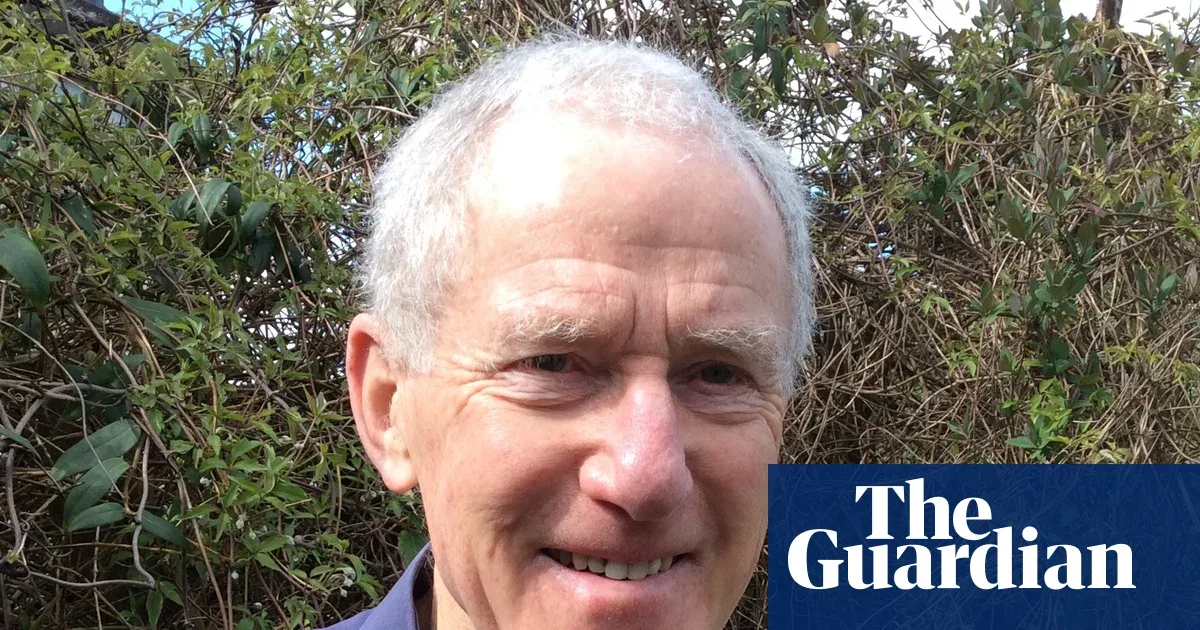
Paul Brown, former environment correspondent for The Guardian, has died at the age of 78. The news was shared in a letter to the editor written by a colleague, recalling the moment the two attended the Earth Summit in Rio de Janeiro, Brazil, in 1992. In the letter, the writer remembered a pickpocketing incident that befell Brown as they walked along Copacabana Beach.
The incident occurred when two women suddenly snatched Brown's wallet and fled. But instead of panicking, Brown calmly said, "Never mind, just ignore it." It turned out that, as an experienced traveler, he had anticipated the worst by keeping an empty plastic wallet in his pocket. The purpose was clear: so that if a robbery happened, he would not lose anything valuable. His calm demeanor and careful preparation impressed his colleague, who called him "a cool guy".
This story is not merely a funny anecdote, but a reflection of the character of a journalist long immersed in international reporting. Brown was known as a meticulous and experienced reporter in covering environmental issues, including climate change and sustainable development. His work at The Guardian made a major contribution to public awareness of the global environmental crisis.
For Indonesian journalists, Brown's story holds valuable lessons. Journalistic assignments often take them to dangerous areas, both at home and abroad. Vigilance and physical preparation are key to staying safe and focused on the job. In addition, staying calm in emergencies is a skill that needs to be trained. Brown showed that with a little creativity, risks can be minimized without sacrificing life or valuables.
"Paul was the type of person who was always ready for any possibility. He was not only smart in writing, but also in keeping himself safe," said a colleague who declined to be named.
Paul Brown's passing leaves deep sorrow for his family, friends, and colleagues. Yet his legacy as a tenacious environmental journalist and an inspiring person will continue to be remembered. The world of journalism has lost one of its important voices in the fight against climate change.
Going forward, the challenges for environmental journalists are increasingly complex. Climate change, ever more evident, demands in-depth and courageous reporting. Paul Brown's spirit should serve as an example for the next generation to keep guarding environmental issues with integrity and ingenuity. Are we ready to continue his fight?