Wahyu Hadiningrat Inaugurated as Deputy National Police Chief, Here Is His Track Record and the Challenges Ahead
Baca dalam 60 detik
- Komjen Wahyu Hadiningrat resmi mendampingi Kapolri baru Suyudi Ario Seto setelah dilantik Presiden Prabowo di Istana, Kamis (1/10/2026).
- Perwira kelahiran Bandung ini membawa pengalaman panjang di bidang intelijen, anggaran, dan penanganan terorisme, termasuk Bom Bali II 2005.
- Duet Suyudi-Wahyu diuji oleh agenda reformasi internal Polri, penguatan sinergi dengan BIN, dan tuntutan publik atas penegakan hukum yang bersih.

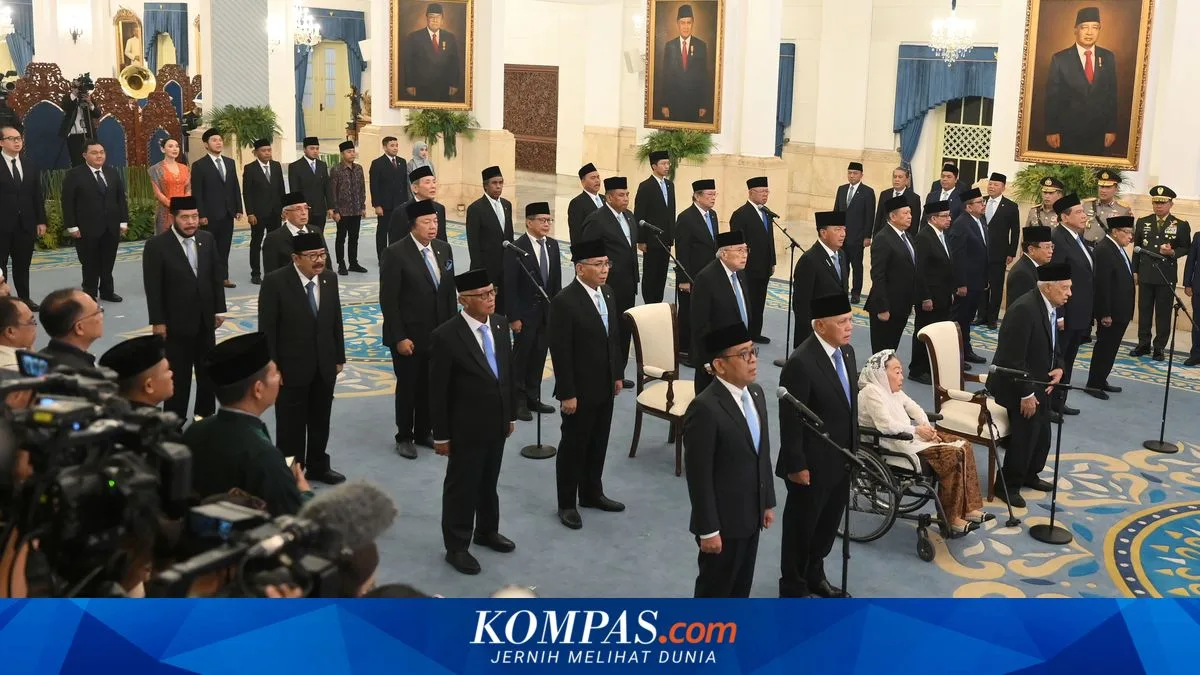
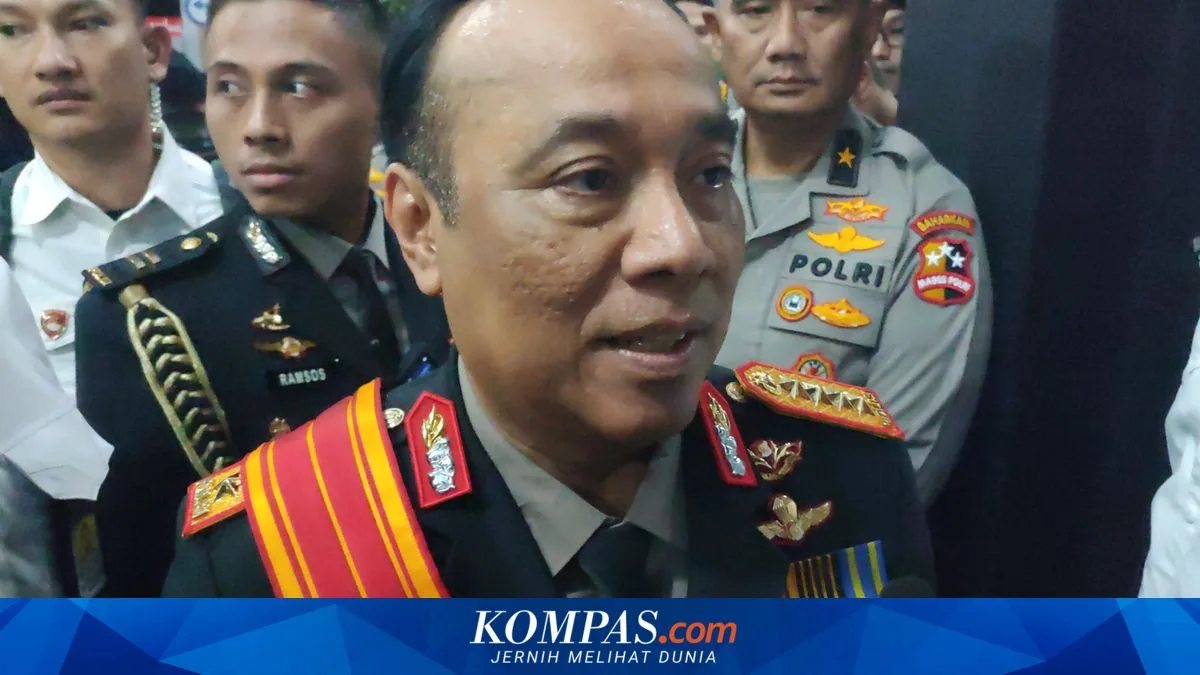
President Prabowo Subianto inaugurated Comr. Gen. Wahyu Hadiningrat as Deputy Chief of the Indonesian National Police (Wakapolri) at the Palace in Jakarta on Thursday (1/10/2026). Wahyu will serve alongside Comr. Gen. Suyudi Ario Seto, who was confirmed at the same event as National Police Chief, replacing Gen. Listyo Sigit Prabowo. The appointments of both men refer to Presidential Decree No. 96 and 97 on the appointment of the National Police Chief and Deputy National Police Chief.
The Deputy National Police Chief post previously held by Comr. Gen. Dedi Prasetyo now passes to Wahyu, an officer born in Bandung on 4 June 1970 and a 1992 graduate of the Police Academy (Akpol). This rotation is not merely a bureaucratic reshuffle. It marks a new phase of National Police leadership under President Prabowo, who from the outset has stressed the importance of synergy between the police, the intelligence community, and other law enforcement agencies in maintaining national security stability.
Wahyu's track record shows a combination of operational and managerial experience rarely held by other officers. He was directly involved in handling the 2005 Bali II bombings, a major operation that tested the National Police's ability to confront a cross-border terrorism network. Beyond serving within the National Police, Wahyu was also entrusted with an assignment at the State Intelligence Agency (BIN), an experience that has enriched his perspective on reading contemporary security threats.
Within the National Police, Wahyu has held a number of strategic positions that honed his planning and budgeting skills. He served as Assistant for Planning and Budgeting (Asrena) to the National Police Chief, then as Deputy Chief of Metro Jaya Police in 2018–2020, and most recently as Principal Assistant for Planning and Budgeting (Astamarena) to the National Police Chief since September 2024. The combination of an intelligence background, terrorism operations, and budget management makes him seen as a figure capable of bridging tactical needs in the field with the institution's fiscal constraints.
"That I in carrying out the duties of my office will uphold the ethics of the office, work as well as possible and with a full sense of responsibility. That I will uphold Tribrata as well as possible," Wahyu and Suyudi said, reciting the oath guided by President Prabowo.
The inauguration also reflects the direction of the Prabowo administration's security policy. In recent months, the issues of internal National Police reform, stronger external oversight, and the eradication of legal mafias have resurfaced in the public sphere. The public is waiting to see whether the Suyudi–Wahyu pairing can accelerate institutional improvements, especially in transparency in handling major cases and member discipline. Wahyu, with his intelligence experience, is expected to take an important role in designing early prevention strategies against potential security disruptions, from terrorism to social conflict ahead of the national political agenda.
No less crucial is how Wahyu manages relations with BIN and related ministries. His background in the intelligence agency could be an asset for strengthening information exchange, but at the same time it raises expectations that the National Police will not fall into a repressive approach. Police observers assess that the combination of a National Police Chief with an operational background and a Deputy National Police Chief with an intelligence-budget background could produce balanced leadership, provided both are able to safeguard the institution's dignity amid political pressure.
Going forward, the public will measure this duo's performance by a number of concrete indicators: the resolution of cases that have captured attention, improvements in budget governance, and rapid response to public complaints. If Wahyu can translate his intelligence experience into accountable policy, he stands a chance of leaving a significant reform legacy. But if he fails, public scrutiny that has been sharp from the start could turn into criticism that is hard to contain. Can the National Police under this new command prove that change is not merely a change of names in office chairs?