Prabowo Wants Drug Rehabilitation to Use Campus Curriculum and Technology
Baca dalam 60 detik
- Prabowo memerintahkan penyusunan model pendidikan dan rehabilitasi berbasis teknologi bagi pengguna narkoba, terutama remaja dan anak muda.
- Perguruan tinggi dengan fakultas kedokteran dan psikologi akan dilibatkan untuk merumuskan praktik terbaik, termasuk belajar dari pengalaman negara lain.
- Kebijakan ini berpotensi mengubah pendekatan penanganan narkoba dari sekadar hukuman menjadi pemulihan yang produktif, dengan implikasi pada anggaran pendidikan dan kesehatan.
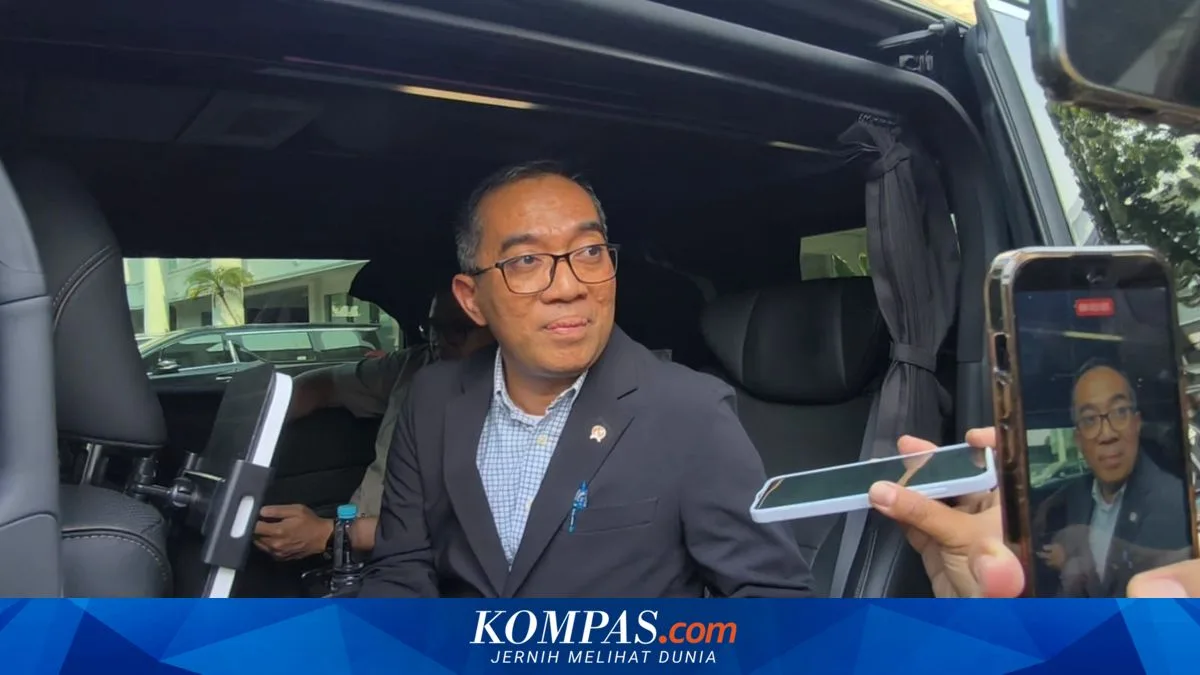
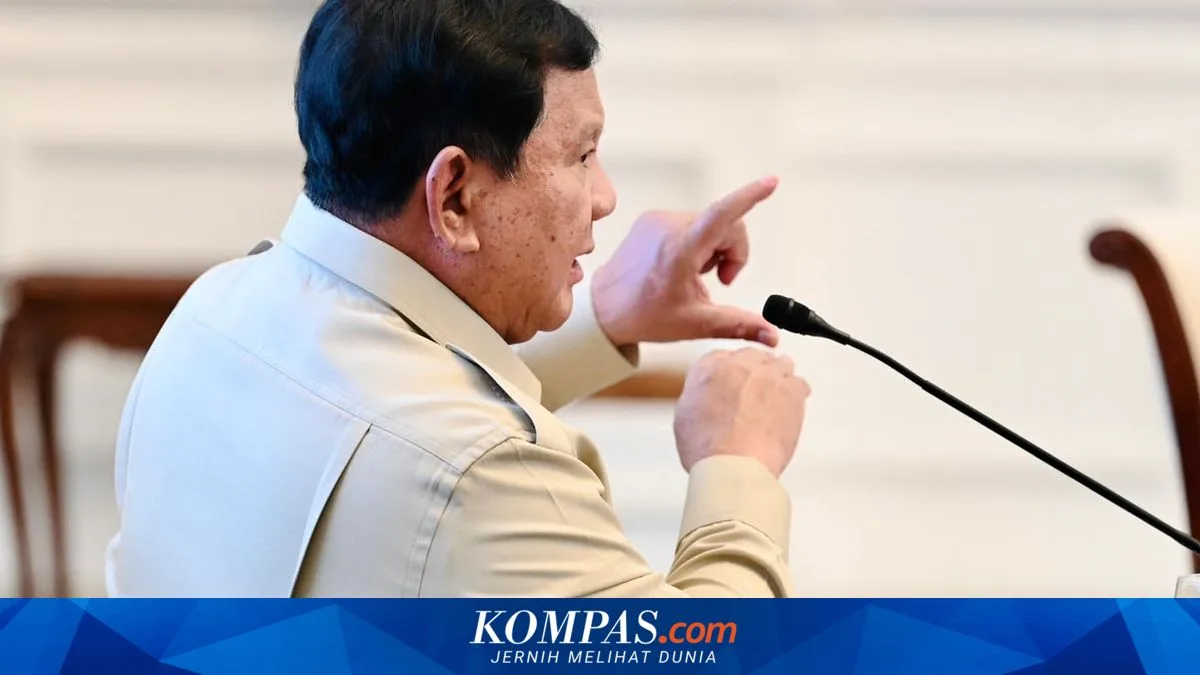
President Prabowo Subianto has instructed his staff to design an education and rehabilitation model for drug users, with an emphasis on the use of technology. The directive was delivered at a limited meeting at the Jakarta Palace on Tuesday (29/9/2026), which specifically discussed the handling of addicts among teenagers and the younger generation.
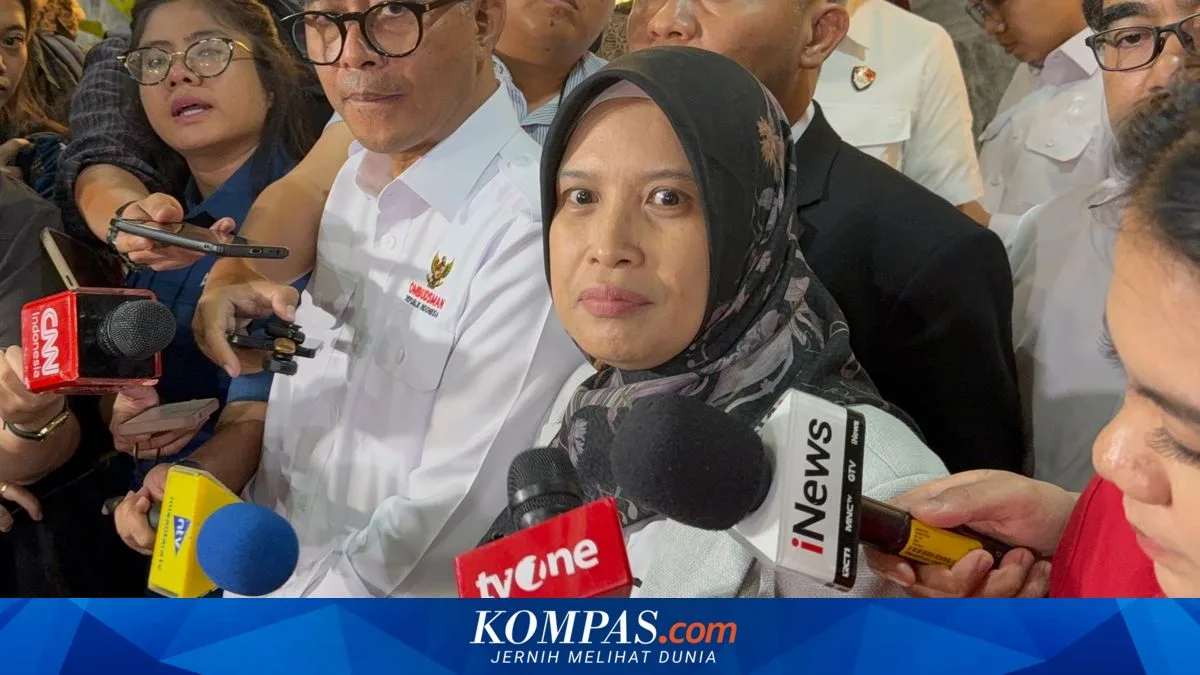
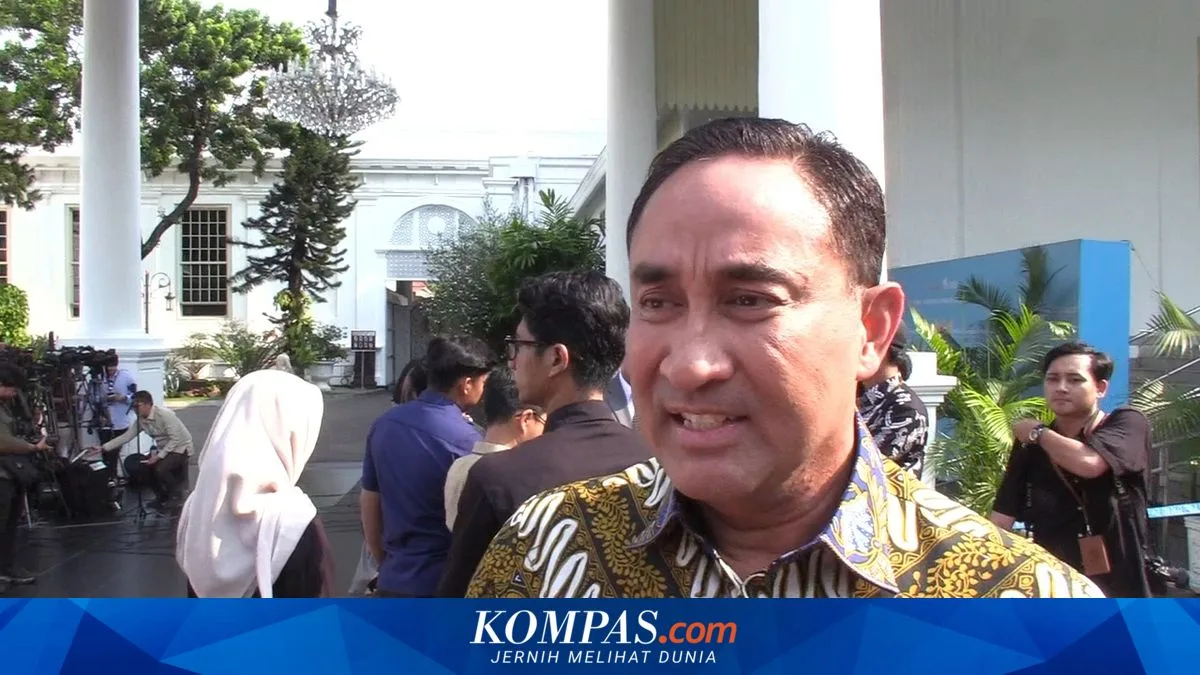
Minister of Higher Education, Science, and Technology (Mendiktisaintek) Brian Yuliarto said the head of state wanted a curriculum that was not only medical but also educational, so that it could change users' behavior as a whole. "The President directed how the curriculum model, the existing education, could ultimately truly change them," Brian said in a press statement after the meeting.
At the forum, a number of academics and practitioners from RSCM and Universitas Indonesia presented their experience developing rehabilitation methods that combine clinical intervention with an educational approach. The findings will serve as material for the government in drafting a more applicable formula, especially for the productive-age group.
Brian added that the government would partner with universities that have medical and psychology faculties, given that they have long been involved in the recovery process for addicts. "We will formulate, we will formulate the good practices that have been developed by campuses," he said. This collaboration is expected to produce a standardized rehabilitation protocol that can be replicated in various regions.
In addition, the meeting also highlighted the easy access to drugs among teenagers. The government considers that a breakthrough is needed so that the younger generation does not get trapped in a cycle of abuse. Technology-based approaches, such as monitoring applications or digital learning platforms, are seen as potentially helping in the recovery process and preventing relapse.
"The President also gave directions, there is how best practice in several other countries, that education is truly an education model and a rehabilitation model that utilizes technological advances," Brian said.
For Indonesia, this step marks a paradigm shift from a punitive approach toward a more humane recovery. If realized, this policy could reduce the burden on mental hospitals and correctional institutions, while also improving the quality of human resources. However, the challenges are not small: adequate funding, experts, and coordination across ministries and regional governments are needed.
From a social investment perspective, an education-based rehabilitation program has the potential to reduce crime rates and increase productivity. Companies and investors in the health, education technology, and social services sectors should pay close attention to the collaboration opportunities that may open up. Implementing regulations will also determine how far the private sector can play a role.
Going forward, the public is waiting to see whether this concept will become a concrete policy with clear targets and deadlines. The big question: how ready are Indonesia's education and health systems to adopt a technology-based model, and can the state budget sustain it over the long term?