Three-Quarters of Plug-in Hybrid Cars in the UK Cannot Use Fast Chargers: An Energy Transition Warning
Baca dalam 60 detik
- Hanya 26% dari 20 model PHEV terlaris di Inggris yang kompatibel dengan pengisi daya cepat 50 kW ke atas, menurut analisis ChargeUK.
- Keterbatasan ini berpotensi membuat pengemudi lebih bergantung pada mesin bensin, sehingga mengurangi manfaat lingkungan yang diklaim.
- Pemerintah Inggris tengah menghadapi tekanan industri untuk melonggarkan target kendaraan listrik, sementara konsumen di Indonesia perlu mencermati relevansi kebijakan serupa.
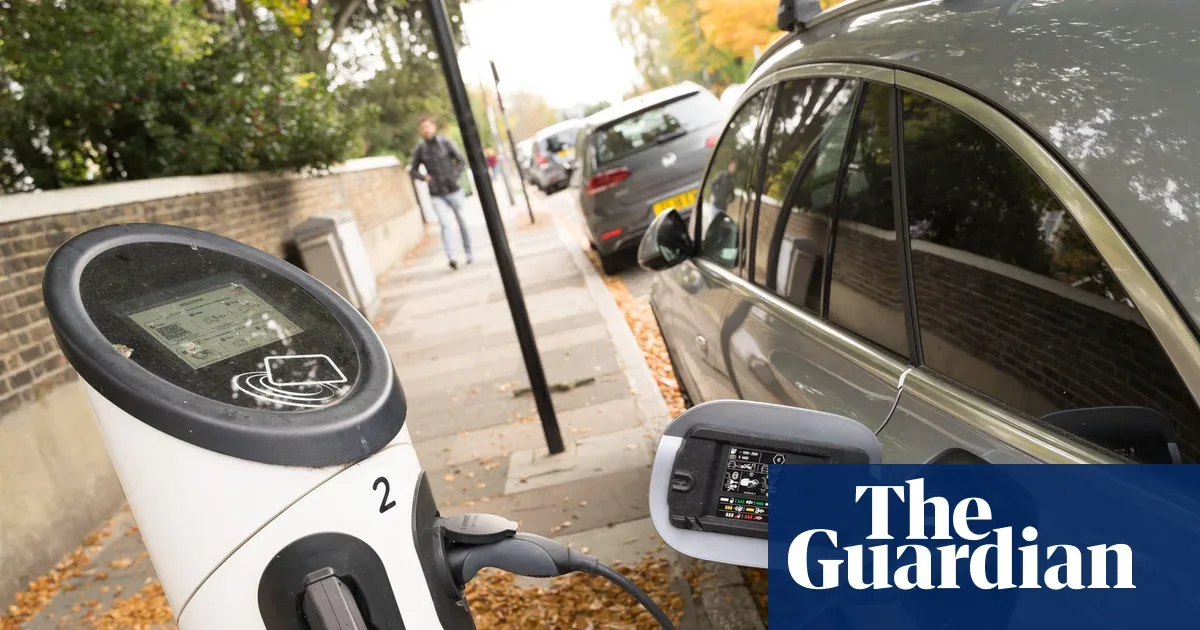
A recent finding reveals that the majority of the most popular plug-in hybrid cars (PHEVs) in the UK cannot use fast chargers, raising serious questions about the effectiveness of these vehicles as a bridge to transport electrification. An analysis by industry body ChargeUK shows that only 26% of total sales of the 20 best-selling PHEV models—including the Jaecoo 7, Ford Kuga, and Hyundai Tucson—are able to use chargers rated at 50 kW or more. Yet these fast chargers are crucial for recharging the battery in 20–30 minutes at motorway service areas, while incompatible vehicles must wait for hours or switch to petrol.
This inability is not merely a technical limitation, but a reflection of a paradox in energy transition strategy. PHEVs are marketed as a practical solution for long journeys without range anxiety, but the data shows that without access to fast chargers, drivers tend to rely on the internal combustion engine. Shane Brennan, CEO of ChargeUK, sees this phenomenon as a setback: “A plug-in hybrid that is never plugged in is basically an expensive petrol car carrying a heavy battery. PHEV drivers who cannot charge on the public fast network will be locked into petrol dependency.” He also warned the government not to be lulled by the assumption that rising PHEV sales represent a significant step toward electrification.
Criticism of PHEVs is mounting alongside repeated findings that the actual carbon emissions of these vehicles are far higher than official claims. The UK government itself, in a recent consultation, acknowledged that its method for calculating emissions savings “overstates the use of electricity” because many drivers rarely charge. Nevertheless, last year the government actually gave manufacturers leeway to sell more PHEVs in order to meet electric vehicle targets—a policy now being questioned.
The comparison with pure electric vehicles further highlights this gap. All 20 best-selling EV models last year were able to use fast chargers, and 64% of them even support ultra-fast charging. Meanwhile, not a single best-selling PHEV can use ultra-fast chargers. Yet fast and ultra-fast chargers account for about a quarter of all public charging points in the UK, but provide the majority of charging capacity because of their much higher speed.
Amid industry pressure, the UK government is expected to further loosen its pure EV sales targets in a consultation ending this October. Nissan has even threatened to withhold a £170 million investment in its Sunderland plant if the rules are not relaxed. This signal shows that the UK’s energy transition policy is being tested by short-term economic interests, even as long-term climate goals become more urgent.
For Indonesia, this dynamic offers a valuable lesson. The government is aggressively promoting electric vehicle adoption through incentives and charging infrastructure development. However, if plug-in hybrids are also given room without adequate charging standards, a similar risk could occur: consumers buy PHEVs but remain dependent on petrol, so emissions reduction targets are not met. Existing policy needs to ensure that incentives for PHEVs come with a requirement for fast-charger compatibility, as well as education on proper charging patterns. In addition, the development of the charging network in Indonesia must prioritize intercity connectivity so that long journeys remain environmentally friendly.
Looking ahead, the big question is whether the UK government—and other countries following its lead—will tighten PHEV regulations or instead sacrifice climate ambition for industrial stability. Without policy correction, the energy transition could stall, with consumers paying a high price for technology that is not fully green.