Luxury Prisons Exposed Again: Ombudsman Finds Exclusive Facilities in Cibinong, Echoing Similar Cases Since 2013
Baca dalam 60 detik
- Ombudsman RI menemukan bangunan berfasilitas lengkap di Lapas Cibinong, termasuk gym dan minigolf, yang diduga disewakan kepada narapidana.
- Praktik serupa pernah terjadi di Lapas Sukamiskin (2018) dengan tarif hingga Rp500 juta per kamar, serta Lapas Cipinang (2013 dan 2017).
- Temuan ini menegaskan lemahnya pengawasan internal dan berpotensi mencoreng upaya reformasi pemasyarakatan.
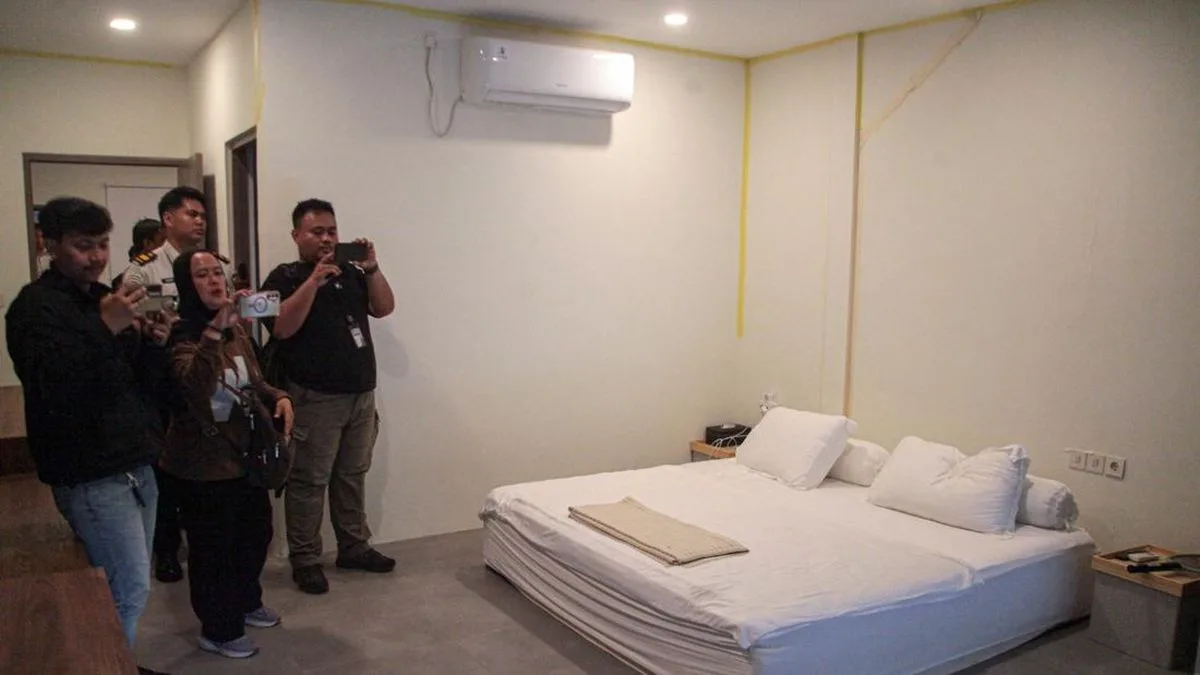
The Ombudsman of the Republic of Indonesia has uncovered allegations that exclusive facilities were provided to inmates at the Class IIA Correctional Facility (Lapas) in Cibinong, Bogor, West Java. The findings came to light after an Ombudsman team conducted a surprise inspection (sidak) and found a number of buildings equipped with complete amenities, from living rooms, bedrooms, and kitchens to televisions, refrigerators, and other household appliances. Ombudsman member Syafrida Rachmawati Rasahan said one occupant admitted to paying to stay in the facility. However, the investigation team did not have time to obtain information on the rate because prison officers who suddenly arrived at the location obstructed them.
More surprisingly, the luxury housing area also contained a gym under construction and plans to build a minigolf course. The Ombudsman even found a refrigerator containing bottles of liquor in the cluster. The findings add to a long list of similar practices that have shaken Indonesia's correctional system. Previously, in July 2018, the Corruption Eradication Commission (KPK) carried out a sting operation (OTT) at Sukamiskin Prison in Bandung. In that operation, the head of Sukamiskin Prison, Wahid Husen, was proven to have traded luxury facilities and cell-exit permits for corruption convicts. The KPK found facilities such as air conditioning, televisions, bookshelves, sinks, bathrooms with sitting toilets, refrigerators, and beds. The rental rate for the exclusive rooms reached Rp200 million to Rp500 million per room.
Similar cases also occurred at Cipinang Prison in East Jakarta. In 2013, an investigation by the Ministry of Law and Human Rights found a special room used by drug kingpin Freddy Budiman to consume methamphetamine and have sex with women from outside. The room was located in the office area of the Head of the Work Activities Section, Abner Jolando, with a rate of Rp2 million per visit. Four years later, the National Narcotics Agency (BNN) again found a luxury cell at Cipinang Prison. The BNN chief at the time, Comr. Gen. Budi Waseso, said narcotics convict Haryanto Chandra alias Gombak enjoyed the facility. Investigators seized one laptop, one iPad, four mobile phones, and one token. The BNN also found methamphetamine smoking activity inside the cell.
"This practice of providing exclusive facilities is not the first time. We have recorded similar cases occurring repeatedly over time," Syafrida said in a press statement.
This series of findings highlights weak internal oversight in correctional institutions. Although the Ministry of Law and Human Rights and the KPK have repeatedly taken action, the loopholes for abuse of authority remain wide open. The Ombudsman considers systemic improvements necessary, including transparency in managing housing and attached supervision of prison officers. Without that, prisons risk becoming dark business spaces that benefit certain individuals, while inmates with financial resources can buy comforts they should not enjoy.
For the Indonesian public, this case is not merely an administrative violation. It reflects inequality in access to justice: inmates who can afford it rent luxury facilities, while poor inmates must crowd into narrow cells. It is also a test for the government in reforming a correctional system long known to be chaotic. Without firm action, public trust in law enforcement will erode further.
Going forward, the public awaits concrete steps from the Ombudsman and the Ministry of Law and Human Rights to thoroughly investigate the findings at Cibinong Prison. Will there be heavy sanctions this time for the officers involved, or will the practice recur under a different mode? Only firmness from law enforcers can break the chain of impunity behind bars.