Guruh Soekarnoputra Buried at Karet Bivak, Megawati to Pramono Anung Pay Final Respects
Baca dalam 60 detik
- Jenazah Guruh Soekarnoputra dikebumikan di TPU Karet Bivak, Jakarta Pusat, pada Sabtu siang setelah disemayamkan di RS MRCCC Siloam Hospitals Semanggi.
- Sejumlah tokoh nasional dan pejabat daerah, termasuk Megawati Soekarnoputri, Pramono Anung, Rano Karno, serta dua menteri Kabinet Merah Putih, hadir melayat.
- Kepergian putra bungsu Bung Karno di usia 73 tahun menutup babak seni dan politik keluarga Soekarno, menyisakan pertanyaan tentang regenerasi nilai-nilai kebangsaan di kalangan elite.
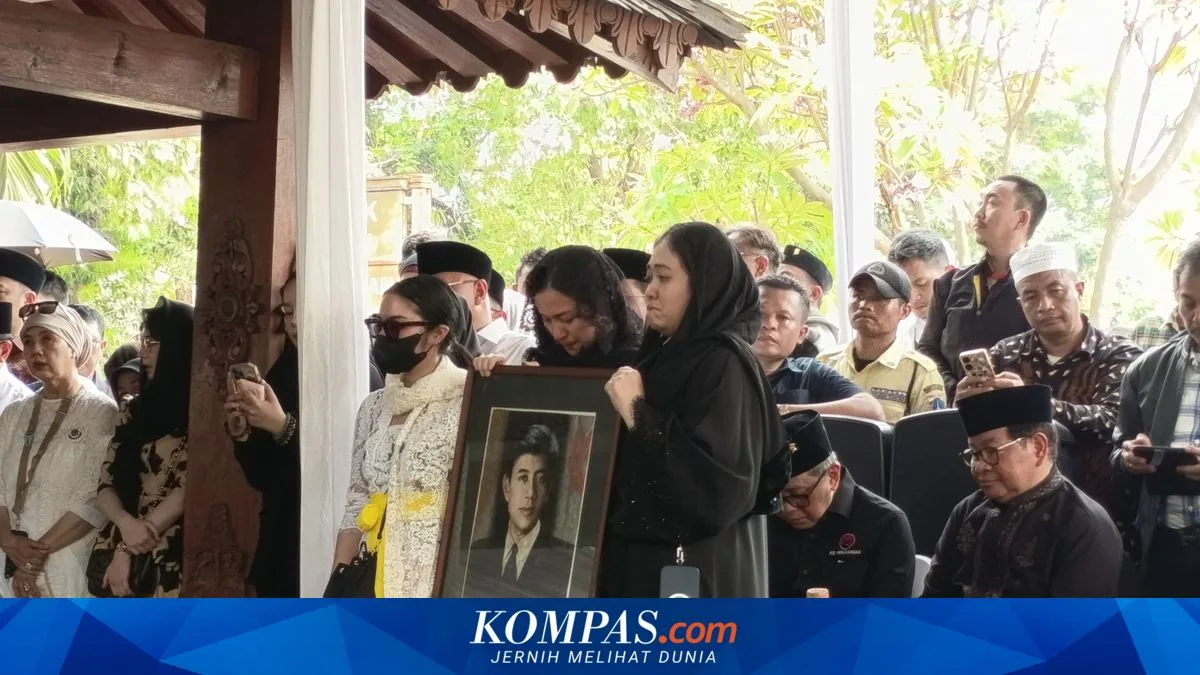
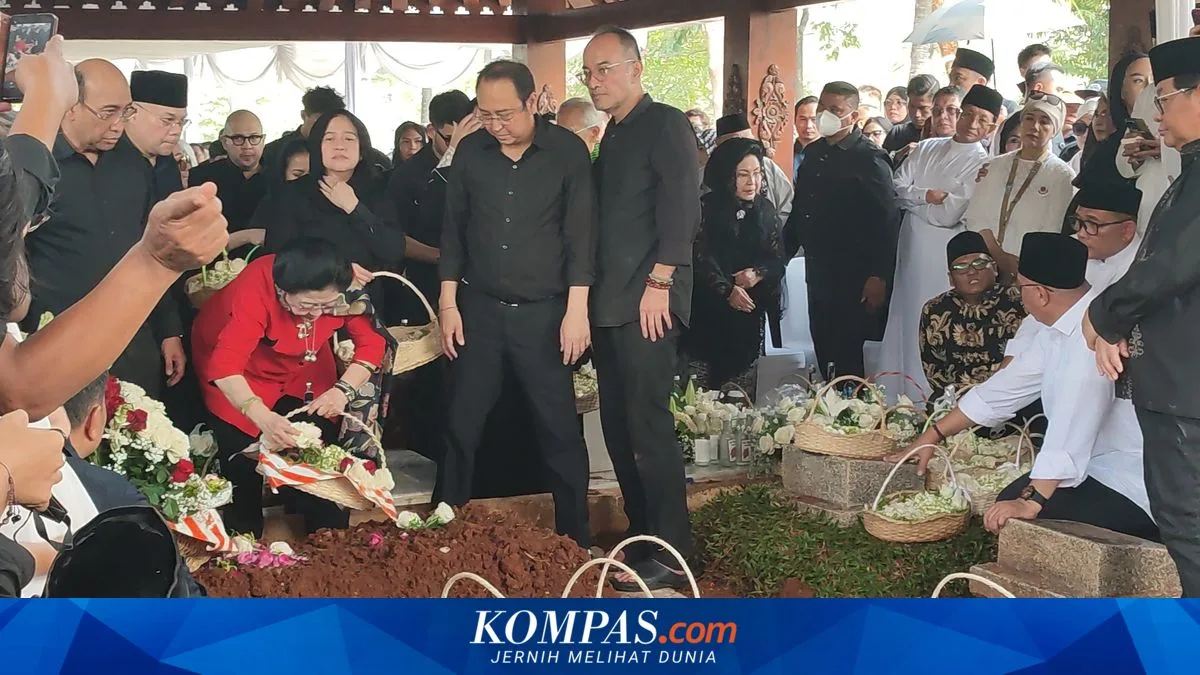
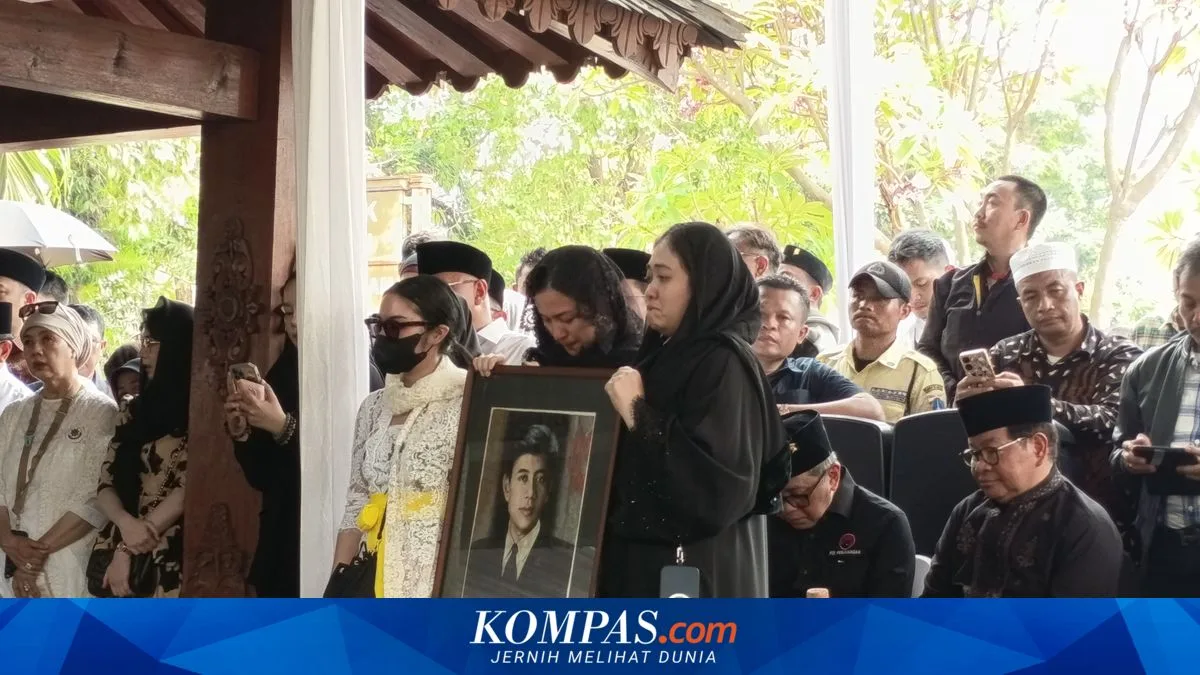
JAKARTA – Guruh Soekarnoputra, the youngest son of Indonesia's first president Soekarno, was buried at the Karet Bivak Public Cemetery (TPU) in Central Jakarta on Saturday (26/9/2026) afternoon. The body arrived at the site at around 13.40 WIB in a coffin draped with the Merah Putih flag, accompanied by PDI-P flag bearers and the Sang Saka Merah Putih as it was carried to the grave.
Several prominent figures attended to pay their final respects. Indonesia's fifth president Megawati Soekarnoputri, who is also the late Guruh's older sister, was seen among the mourners. Jakarta Governor Pramono Anung and Deputy Governor Rano Karno were also present, as were Culture Minister Fadli Zon and Religious Affairs Minister Nasaruddin Umar. Former Youth and Sports Minister Roy Suryo was also seen at the site.
The burial procession proceeded solemnly. Before the body was interred, a number of Guruh's achievements and works were read out before family members and mourners. Rano Karno, representing the family, delivered a speech. After the scattering of flowers, Megawati was among the family members who began the procession.
Guruh was known as both a politician and an artist devoted to dance and music. Throughout his life, he was active in preserving traditional Indonesian arts and once served as a member of the House of Representatives from PDI-P. His passing closes an important chapter in the history of the Soekarno family, which for decades was a center of political and cultural gravity in Indonesia.
For the Indonesian public, Guruh represented a bridge between Bung Karno's legacy and contemporary artistic expression. His works in choreography and musical composition were often regarded as a form of cultural diplomacy that introduced the richness of Nusantara traditions to national and international stages. The presence of a number of state officials at the funeral underscored the Soekarnoputra family's position, which remains central in the national political landscape.
From an economic and policy standpoint, the event also highlighted the importance of the state's role in caring for cultural heritage. The government, through the Ministry of Culture, has an agenda for preserving traditional arts, part of whose inspiration came from figures such as Guruh. Going forward, the public will wait to see who can carry on the baton of the artistic and national struggle that the Soekarno family has long championed.
With Guruh's passing, questions arise about the regeneration of national values among the political elite and young artists. Will the spirit he instilled continue to live on through the next generation, or will it fade with the changing times? Only time can answer, but the traces of his work and dedication have left a strong foundation for Indonesia.