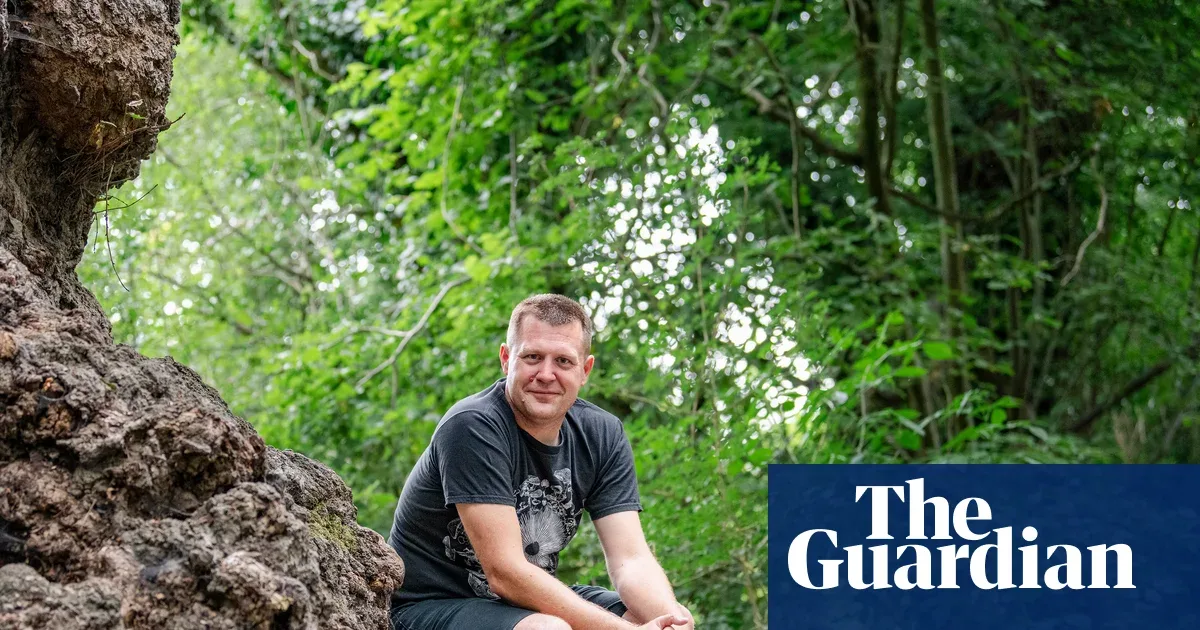
Luna Wong's Death in the UK: Regulatory Gaps in the International Student Guardianship Industry
Baca dalam 60 detik
- Luna Wong, pelajar Hong Kong berusia 16 tahun, ditemukan tewas akibat overdosis di akomodasi musim panas London setelah 40 jam tak terdeteksi.
- Sistem guardianship education di Inggris tidak diwajibkan memiliki pelatihan kesehatan mental atau bahkan cek catatan kriminal, membuka celah besar bagi keselamatan anak.
- Kematian Luna mendesak regulasi statutori bagi wali dan program musim panas residensial, sementara ribuan pelajar dari Asia—termasuk Indonesia—berada di bawah radar pengawasan.
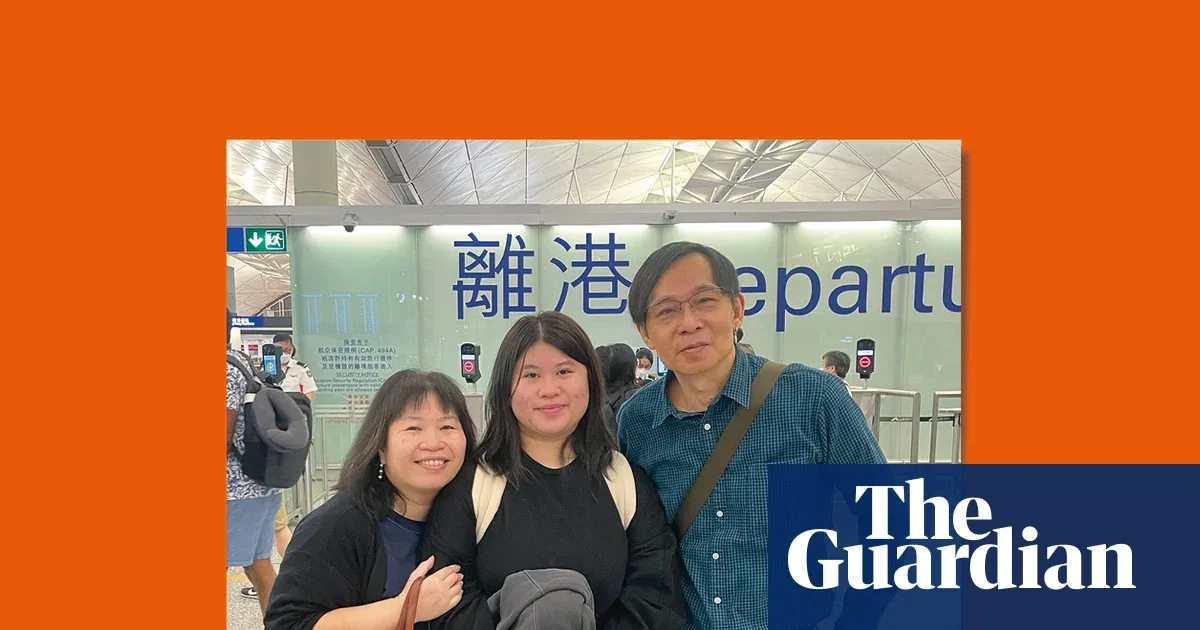
A 16-year-old Hong Kong teenager, Luna Wong, died in July 2023 after an overdose of prescription medication in a room at a University of London summer accommodation. Her body was found more than 40 hours later. Her death exposed structural weaknesses in the UK boarding education industry, which increasingly relies on international student fees but has minimal legal obligation to protect them.
Luna arrived in the UK in September 2022 to study A-levels at Wrekin College, Shropshire, after two years struggling with depression, anxiety, and panic disorder diagnosed in Hong Kong. Her parents, Hilda Leong and Thomas Wong, cashed in Thomas's pension to fund the school. They hoped the UK would be a new start for their daughter. That hope faded when Luna ended her life the following summer.
This case is not merely a tragedy of adolescent mental health. It highlights the political economy of international education: UK boarding schools are short of domestic students, so they aggressively recruit students from Asia. Nearly 40% of boarders at UK independent schools are international students, half of them from China and Hong Kong. International boarding fees at Wrekin College reach £17,025 per term—higher than the domestic student rate.
Behind the education services lies a profit-seeking ecosystem of intermediaries. Education agents receive a commission of around 10% of the first-year fees. Educational guardians—who are supposed to stand in for parents—are paid thousands of pounds a year but are not statutorily regulated. Luna had two guardians during her time in the UK. Her first guardian never even met her because of Covid-19 illness. Her second guardian, arranged through the agency White House Guardians, had no formal training in dealing with teenagers at risk of suicide.
WhatsApp correspondence read out at the inquest revealed how vulnerable Luna's position was. In October 2022, Luna complained she had been hit by another student. Her second guardian responded with concern that Luna would be expelled from school because of her mental health problems, then wrote: "You are in someone else country and they are [not] going to learn chinese way to orbit around you." She ended the conversation at 11 p.m. without follow-up. Thomas called the approach "very dangerous for a 16-year-old girl with depression and anxiety."
While at Wrekin, Luna several times expressed a wish to end her life to her therapist and boarding friends. But that information never fully reached her parents. The educational guardian was said in the safeguarding review to have given a "false reason" when a host family refused to accommodate Luna, and did not pass on the host's concerns to the parents. The parents only learned the depth of their daughter's crisis after the inquest documents were opened.
In July 2023, Luna attended the Young Psychologist Summer Experience programme run by InvestIN, a private company, although it was promoted as if affiliated with UCL. The educational guardian received a commission from InvestIN for the referral—something not disclosed to the parents. InvestIN had no procedure for storing psychiatric medication. They asked for parental permission for Luna to manage her own medication. Thomas agreed because he feared his daughter would not be able to join the programme. Luna was then placed on the seventh floor with all her medication, unsupervised.
Luna's death triggered a safeguarding review that recommended statutory regulation for the guardianship sector, a multi-agency approach for vulnerable international children, and clear rules for residential summer programmes. But the recommendations were published in 2024 during a change of government, and none have yet been adopted into law. The UK government only recently required criminal record checks for holiday host families last year, but there is still no similar requirement for educational guardians.
"They accepted the money, but they didn’t take care of my child. We cannot forgive ourselves for letting her go to this summer school." — Hilda Leong, Luna's mother
For Indonesia, this case is a mirror. Every year thousands of Indonesian students study in the UK, Australia, and other countries through agents and guardians who are not always closely supervised. Child protection regulation in the context of cross-border education remains a grey area. Indonesia's Ministry of Education and child protection agencies do not yet have a specific mechanism to monitor the welfare of students abroad, especially those with a history of mental health issues.
Luna's death also highlights how stigma and academic pressure can be worsened by cultural isolation. Luna had expressed guilt that her parents cashed in their pension to fund her. Her therapist admitted never communicating directly with Luna's parents. At the inquest, the coroner concluded Luna died by suicide, and noted that while in the UK she was never referred to a mental health team or assessed by a clinician—only continuing a prescription from Hong Kong.
Wrekin College said Luna was a "much-loved member of the community" and that her death had a profound impact. InvestIN expressed condolences and claimed to have strengthened safeguarding protocols. But no party responded to the specific findings in the review. Luna's educational guardian and therapist did not comment.
The big question: will the UK close the regulatory gap that allows vulnerable children to fall through a system built to protect them? And for Indonesia, it is time for the state to ensure that students sent abroad are equipped not only with visas and tickets, but also with a real welfare safety net.