James Webb Telescope Reveals the Early Universe Was Not as Empty as Thought
Baca dalam 60 detik
- Galaksi-galaksi purba sudah menyebarkan logam berat ke ruang antar galaksi hanya 500 juta tahun setelah Big Bang.
- Temuan ini menantang asumsi bahwa gas di sekitar galaksi awal masih murni hidrogen dan helium.
- Ketidakmampuan astronom menemukan bintang Populasi III mungkin disebabkan oleh hilangnya gas murni yang lebih cepat dari perkiraan.
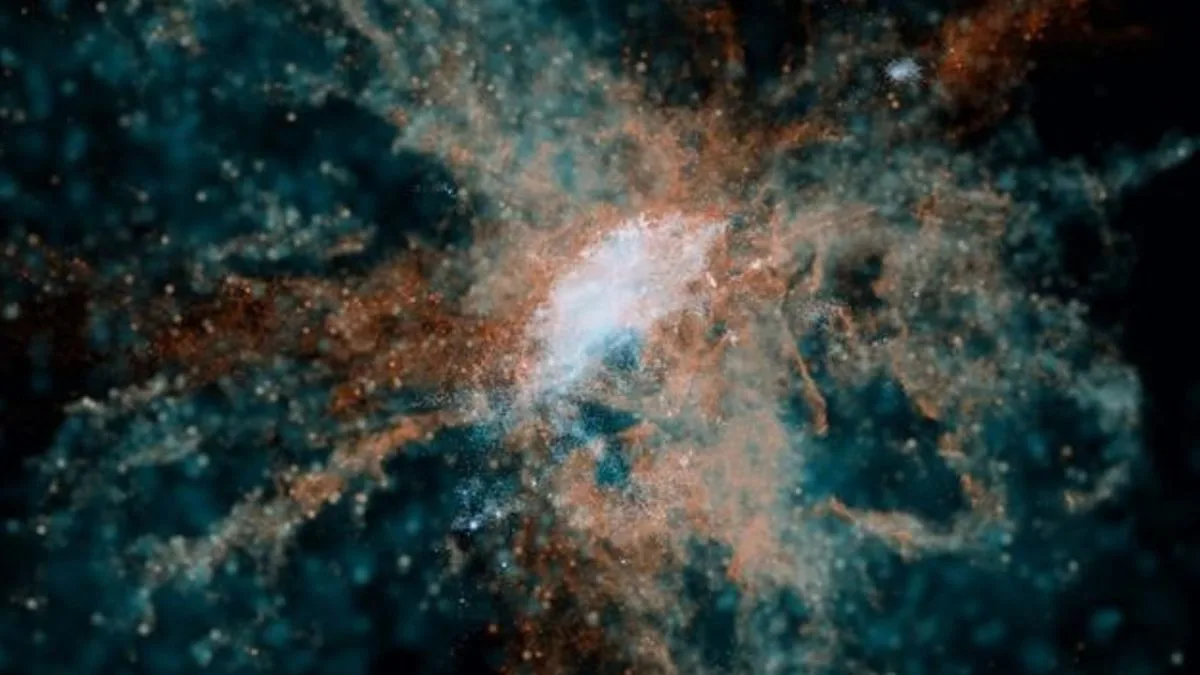
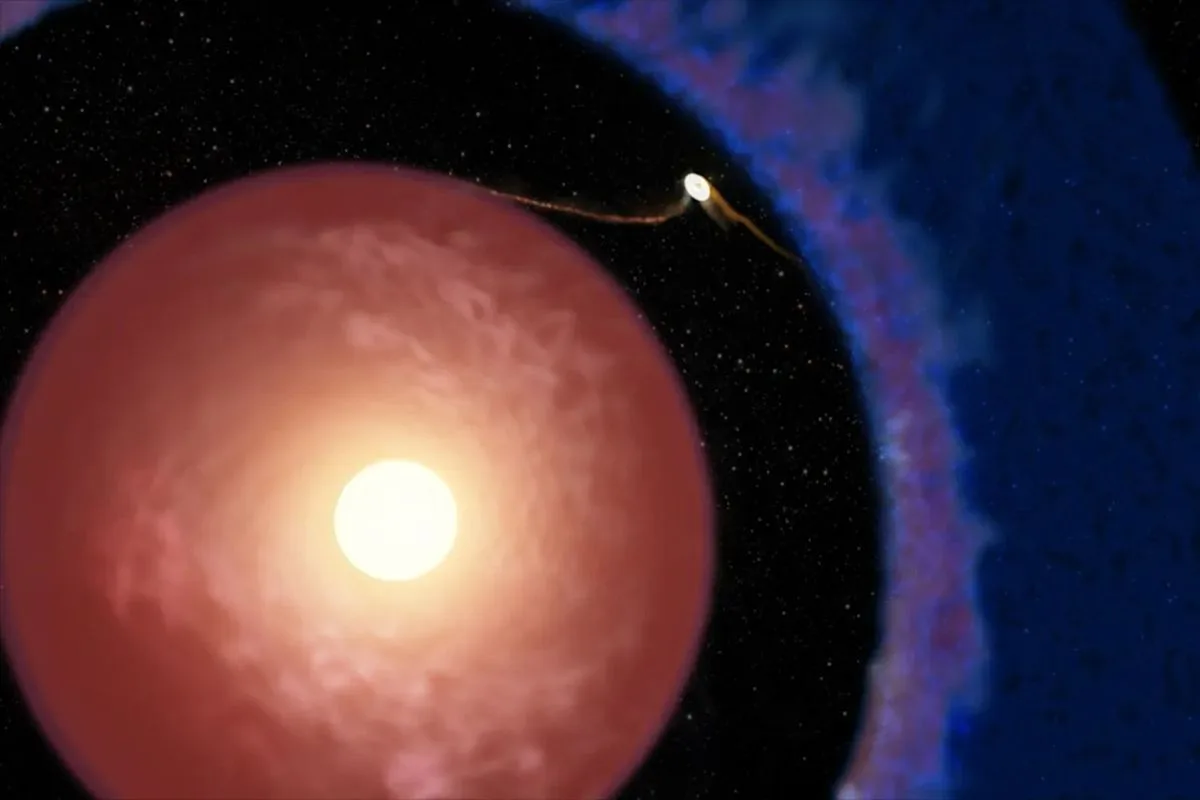
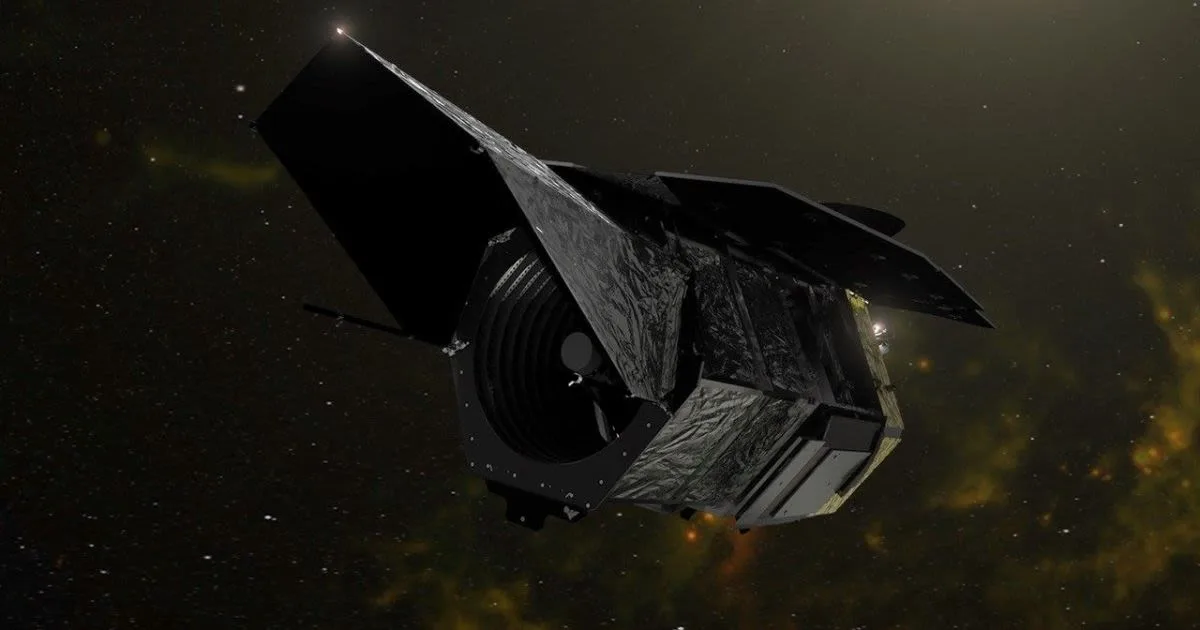
Recent observations using the James Webb Space Telescope (JWST) show that galaxies just 500 million years after the Big Bang had already spewed heavy elements into their surroundings. The discovery shakes a long-held belief that the early universe was still pristine, containing only hydrogen and helium, and has major implications for our understanding of cosmic evolution.
For a long time, astronomers believed that the first generation of stars (Population III) formed from pure gas left over from the Big Bang. When these giant stars exploded as supernovae, they scattered metals—the astronomical term for elements heavier than helium—into interstellar space. This process repeated, enriching the next generation of stars. However, new research led by Yongda Zhu of the University of Arizona found that metal enrichment occurred much earlier, when the universe was only 3% of its current age.
Zhu's team analyzed JWST data from three galaxies whose light had traveled 13.3 billion years to reach Earth. They used those galaxies as background light sources, then studied the absorption patterns produced by the surrounding gas. "We detected oxygen, carbon, silicon, and other metals flowing out of the early galaxies into intergalactic space," Zhu said in an official statement. The chemical composition of that gas, he added, is more similar to modern galaxies than previously expected.
The discovery also explains why astronomers have so far struggled to find Population III stars. Until now, the search has focused on detecting starlight piercing through pure hydrogen gas. But because that pure gas was contaminated with metals earlier, the signs being sought may already be gone. "It's like vanilla ice cream that has already been mixed with colorful sprinkles—it doesn't take long before we no longer find pure vanilla," Zhu analogized.
"Galaxies don't just produce heavy elements, they also spread them, potentially providing 'seeds' for other galaxies," Zhu said.
For Indonesia, the findings strengthen the position of domestic astrophysics research, which has begun to use JWST data. The National Institute of Aeronautics and Space (LAPAN) and several universities have been involved in an international consortium to analyze the telescope's data. A new understanding of metal enrichment in the early universe could open the way for research on galaxy formation and the distribution of matter in the cosmos, which ultimately affects our understanding of the origins of elements on Earth.
Going forward, the research team plans to expand the study to more ancient galaxies to map how quickly metals spread. Does this process occur uniformly across the universe, or are there regions that remain pristine longer? The answer will not only complete the puzzle of cosmic evolution, but also re-test theoretical models about the first stars.