Youngest Planet Elias 2-24 b Is Less Than 1 Million Years Old, Opening a New Era in the Search for Alien Worlds
Baca dalam 60 detik
- Astronom mengonfirmasi Elias 2-24 b sebagai eksoplanet termuda yang pernah terdeteksi, dengan usia di bawah satu juta tahun dan masih dalam proses pembentukan.
- Penemuan ini mematahkan rekor sebelumnya yang dipegang empat planet berusia lebih dari 5 juta tahun, sekaligus mengungkap kelemahan model pembentukan planet yang ada.
- Teleskop Nancy Grace Roman yang akan datang diharapkan mempercepat penemuan planet serupa, membuka jalan bagi pemahaman lebih dalam tentang asal-usul tata surya.
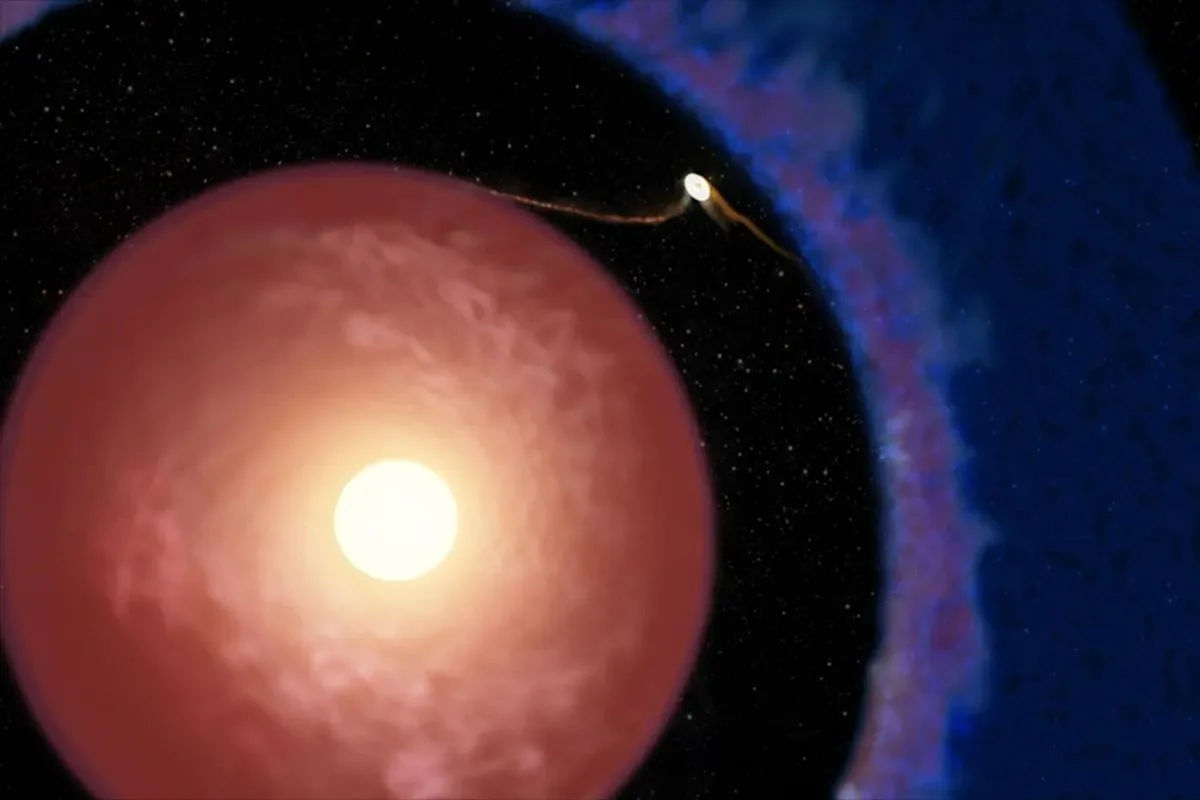
Astronomers have announced the discovery of the youngest planet ever detected: Elias 2-24 b, a world less than one million years old that is still in the process of forming around its host star. The planet is about 450 light-years from Earth and has a mass comparable to Jupiter, according to NASA data. The findings were published in the Wednesday edition of The Astrophysical Journal Letters.
The existence of Elias 2-24 b marks a breakthrough because most of the 6,000 confirmed exoplanets are billions of years old. The planet is still embedded in the disk of gas and dust left over from star formation, offering a direct glimpse of the early process of planet birth. The researchers found it inside a conspicuous gap in that disk, a location that was indeed predicted to be where a planet is forming.
"Planets should be found inside the gap, because they are the ones that carve the gap," said Andrea Bernardi, lead author of the study, in a statement. "And that is where we found Elias 2-24 b."
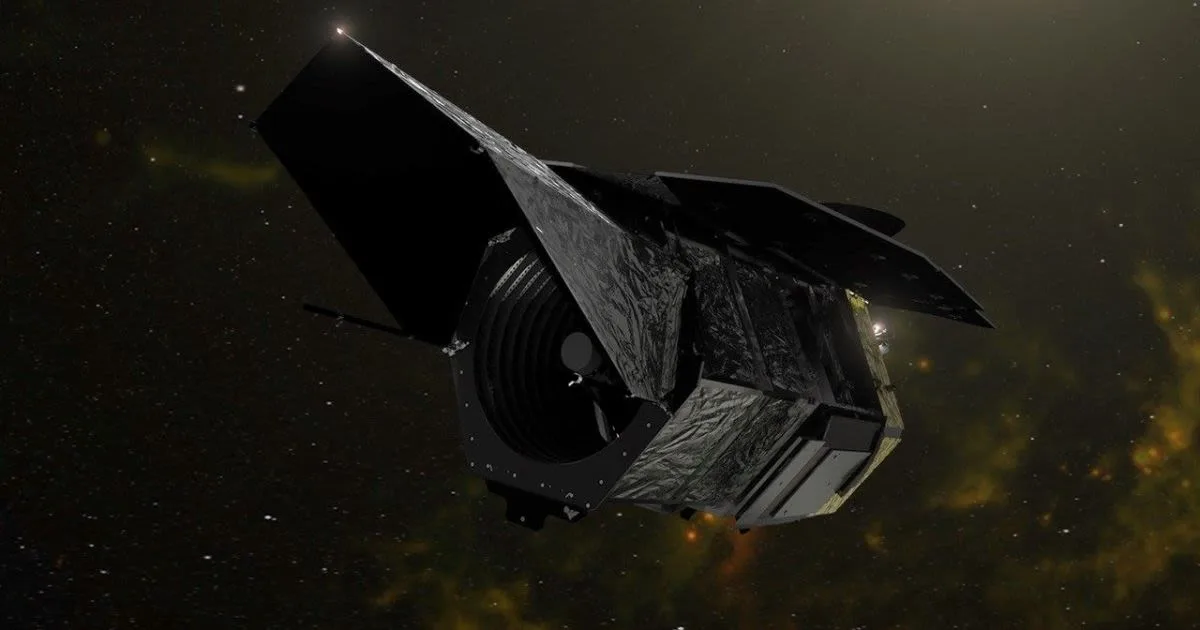
The confirmation was obtained by combining archival data from the W. M. Keck Observatory from 2018 and 2020. By tracking the object's movement, the team confirmed that it is a planet, not a background star or an observational artifact. "We usually hear about telescopes working separately, but this confirmation was only possible by using several telescopes together," Bernardi added. "Elias 2-24 b is at the limit of current telescopes' capabilities, but with new instruments such as NASA's Nancy Grace Roman Space Telescope, this kind of detection will become easier."
The discovery not only breaks a record but also exposes the limitations of existing planet formation models. "Our planet formation models already struggled to explain the previous record holders—four planets orbiting the stars PDS 70 and WISPIT 2, all more than 5 million years old," said Lucas Cieza, a professor at the Instituto de Estudios Astrofísicos, Chile, and one of the study's authors. "Elias 2-24 b shows that our best models are still missing some important processes."
"This is just the beginning of a new era of discovery. It is remarkable that with modern technology, we can actually see planet formation directly, and Roman will take the planet hunt to the next level."
— Lucas Cieza, professor of astrophysics
For Indonesia, this finding is not merely distant science news. The development of astronomical instruments such as the Roman Telescope and the involvement of the global community in exoplanet research opens opportunities for collaboration for Indonesian researchers and students. In addition, understanding planet formation can enrich astronomy curricula and spur young people's interest in space science. Amid Indonesia's growing role in regional space organizations, participation in missions like this could be a strategic step to strengthen domestic research capacity.
With the launch of the Nancy Grace Roman Telescope scheduled in the coming years, astronomers expect to find more similar young planets. Will Elias 2-24 b soon be displaced from its youngest title? And how will this discovery change our understanding of the origins of the solar system? Only time will tell, but one thing is certain: a new era in the study of planet formation has begun.