Glasgow City Council Threatens to Fire 23,000 Employees, Union: Intimidation Tactic
Baca dalam 60 detik
- Pemerintah Kota Glasgow berencana memberhentikan seluruh staf non-pengajar dan merekrut ulang dengan kontrak baru per 1 Januari, memicu kemarahan serikat pekerja.
- Langkah ini diambil untuk memperbaiki sistem pembayaran yang diskriminatif terhadap pekerja perempuan, namun 11% staf akan mengalami penurunan gaji hingga £11.500.
- Unison menolak berunding dan menuduh dewan melakukan intimidasi, sementara pemerintah Inggris akan melarang praktik fire and rehire beberapa bulan mendatang.
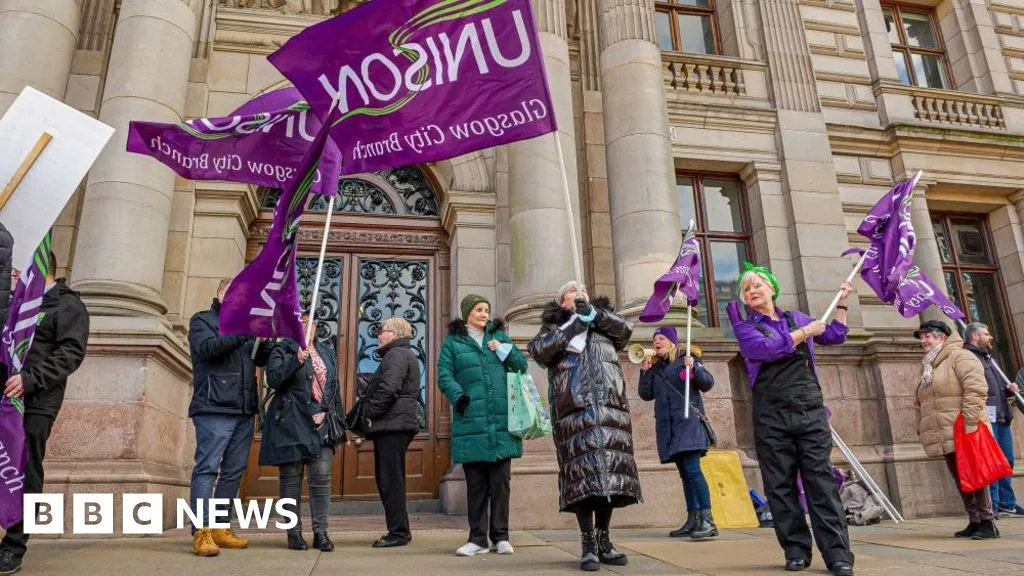
Glasgow City Council has formally threatened to dismiss more than 23,000 non-teaching employees and offer them new contracts in response to a deadlock in negotiations with unions over reforms to a pay system deemed discriminatory. Dismissal letters will be sent to all staff, including the council's CEO, nursery staff, and cleaners, with the new contracts scheduled to start on 1 January.
The controversial move comes after eight years of talks failed to reach an agreement. The council argues that changes to the pay and grading structure are needed to replace an old scheme that has been shown to disadvantage women workers. Previously, the council paid more than £770 million to 19,000 claimants after it emerged that women workers in catering and cleaning were paid less than their male counterparts in areas such as refuse collection.
Based on a job evaluation involving 13 factors—including physical effort, mental skills, concentration, and coordination—63% of affected staff will benefit financially, while another 11% will have to accept pay cuts. The largest reduction is estimated at £11,500 per year. A learning support worker, Joanne, said she would lose around £300 per year and felt betrayed after 25 years of service. "I work with the most vulnerable children. I challenge the council to try my job for just one day," she told BBC Radio Scotland.
Unison, the largest union representing council staff, refused to ballot its members on the new offer and accused the council of using "intimidation tactics". Sylvia Haughey, Unison's education convenor, insisted the union was not betraying members and was ready to negotiate at any time. Meanwhile, two other unions, GMB and Unite, actually supported the ballot and claimed to have secured an additional £110 million for the pay structure. However, Unison considers that funding to be only for adjustments and arrears, not helping those facing cuts.
"This is a very bad situation. Staff will be stressed and anxious. I can assure you there will be no break in their service, they will all be re-employed," said Colin Edgar, Glasgow City Council's communications director.
Edgar acknowledged the council did not want this situation, but stressed that fixing the unlawful pay scheme had to be done. He also noted that the two other unions had agreed to the changes. Scottish Health Minister Neil Gray urged all parties to return to the negotiating table and reaffirmed the government's support for the principle of fair work.
Scotland Minister in the UK government, Douglas Alexander, highlighted that the council's action came just months before a new law that will make fire and rehire illegal. He called it "the biggest upgrade of workers' rights in a generation" and urged council leadership to find a way out immediately.
The practice of fire and rehire—dismissing employees and then rehiring them on worse terms—has long been debated in the UK. The UK government plans to ban it from early next year, but legal loopholes could still be exploited before the rules take effect. For Indonesia, this case is a mirror of how pay reform aimed at eliminating gender discrimination can cause unrest if not managed through inclusive social dialogue. Amid global pressure for fair employment practices, companies and local governments in Indonesia need to ensure that any change to the remuneration system does not create new victims, especially women workers and vulnerable groups.
Looking ahead, will the council postpone the 1 January deadline or proceed with mass dismissals? Pressure from unions, the central government, and public opinion will determine whether Glasgow becomes a bad precedent or a turning point for worker protection.