Attorney General's Office Names Former ESDM Official and PT CNI as Suspects in Nickel Corruption Case, State Losses Reach Rp401 Billion
Baca dalam 60 detik
- Kejaksaan Agung menetapkan empat individu dan korporasi PT CNI sebagai tersangka dalam skandal tata kelola nikel di Sulawesi Tenggara periode 2017-2020.
- Modusnya melibatkan manipulasi dokumen uji kadar dan RKAB untuk memuluskan ekspor nikel tanpa memenuhi kewajiban DMO, dengan kerugian negara mencapai Rp401 miliar.
- Kasus ini menyoroti celah pengawasan di sektor minerba dan berpotensi mendorong reformasi tata kelola ekspor nikel ke depan.
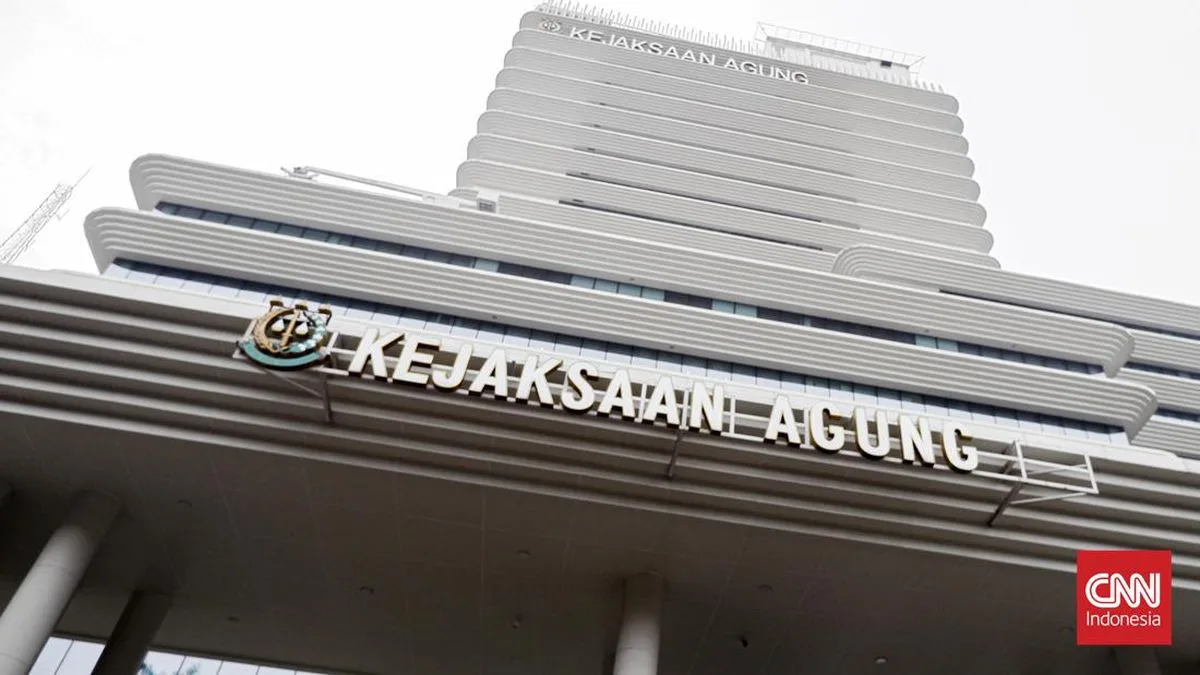
The Attorney General's Office has officially named four individuals and one corporation as suspects in an alleged corruption case involving nickel governance in Southeast Sulawesi for the 2017-2020 period. The corporation in question is PT CNI, while the individual suspects include a former Ministry of Energy and Mineral Resources (ESDM) official with the initials BS, Southeast Sulawesi ESDM Office official MHI, and Head of the Sucofindo Kendari Unit NRH. One other suspect has not been announced because they did not comply with the investigator's summons.
Head of the Attorney General's Office Legal Information Center, Anang Supriatna, revealed that the case began with PT CNI's nickel export activities, which allegedly violated the Domestic Market Obligation (DMO). The company is said to have asked NRH to issue nickel content test documents that did not match the facts, then submitted an export permit recommendation to the Ministry of ESDM even though it did not yet have a Work Plan and Budget (RKAB).
The modus operandi uncovered by investigators shows collaboration between private actors and state officials. PT CNI allegedly asked MHI and other ESDM Office officials not to fully verify the manipulated RKAB documents. As a result, RKAB approval was issued unlawfully and used as an export requirement. The officials who granted the request are said to have received sums of money from PT CNI.
"BS as Director of Mineral Business Development at the Directorate General of Minerba, Ministry of ESDM, for the period from 2017 to 2018," Anang said in a press conference on Friday (25/9).
This case is a severe blow to the minerba sector, which has long been the backbone of Indonesia's exports. Nickel is a strategic commodity in the global electric vehicle battery supply chain, and poor governance not only harms the state financially but also tarnishes Indonesia's reputation in the eyes of international investors. The practice of exporting without fulfilling the DMO shows weak oversight from the central to regional levels.
From a regulatory perspective, the naming of suspects may trigger a push to tighten mineral export oversight. The government may re-evaluate the mechanism for issuing RKAB and export recommendations, as well as increase the role of independent auditors such as Sucofindo. However, without systemic improvements, similar cases could recur given the large economic incentives from raw nickel exports.
For market participants, especially investors in the mining and battery sectors, this development is a signal that regulatory and legal risks in Indonesia remain high. Companies holding operating permits are expected to be more careful in fulfilling domestic obligations and ensuring export documents are valid. Meanwhile, the wider public is waiting to see whether law enforcement will touch the major actors behind the corporation or stop at technical officials in the field.
Going forward, public focus will be on the completeness of the case file and the possibility of expanding the list of suspects. Will the Attorney General's Office investigate fund flows to other parties? And can this case become a turning point for improving national nickel governance? Time will tell, but public pressure for transparency is growing stronger.