Lawmaker Rebuts BNPB Claim: Central Kalimantan Residents Not Yet Recovered from Forest Fires
Baca dalam 60 detik
- Legislator Kalteng Bambang Purwanto menolak pernyataan Kepala BNPB yang menyebut kehidupan warga di Kalimantan Tengah dan Barat normal di tengah bencana karhutla.
- Dampak kabut asap dinilai luas: lonjakan ISPA, gangguan pertanian, hingga kerugian ekonomi karena mobilitas terhambat dan tanaman perkebunan mati.
- Klarifikasi BNPB dan desakan pelaporan detail ke Presiden menjadi sorotan, sementara pemulihan lingkungan dan kesehatan warga masih jauh dari tuntas.
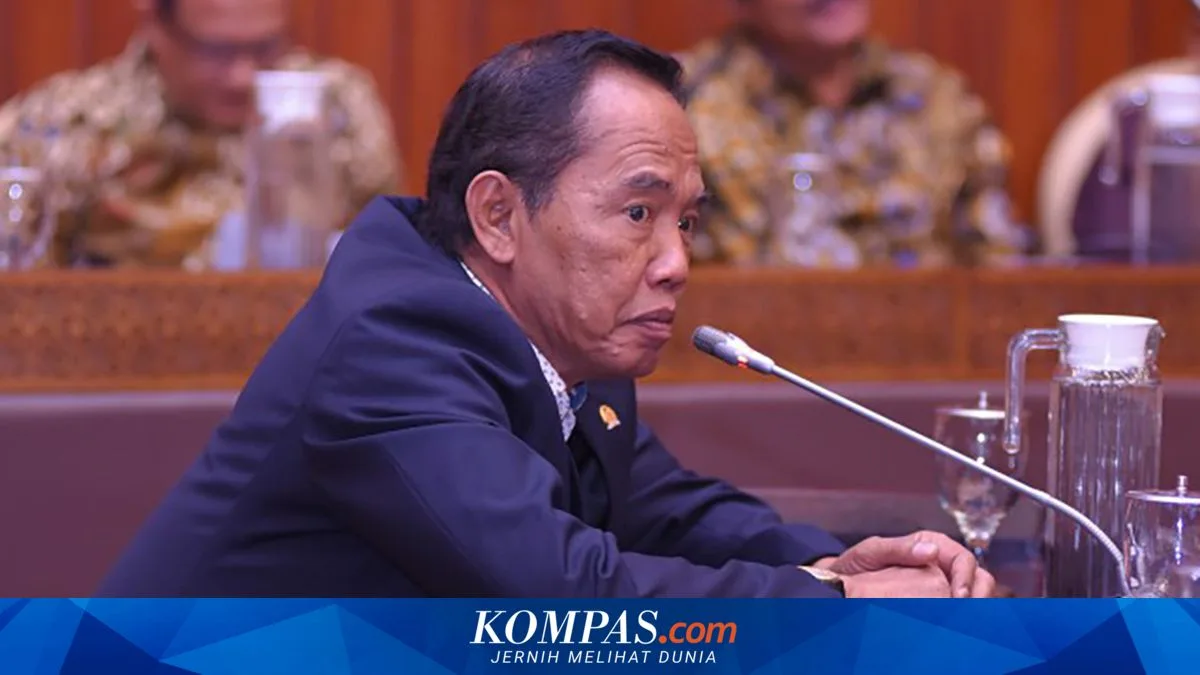
Member of Commission IV of the Indonesian House of Representatives (DPR RI) from the Central Kalimantan electoral district, Bambang Purwanto, asserted that conditions for residents in Central Kalimantan and West Kalimantan have not returned to normal after the forest and land fires (karhutla). The statement also rebuts the claim by Head of the National Disaster Mitigation Agency (BNPB) Suharyanto, who previously said the lives of residents in the two provinces were running as usual.
In a written statement on Friday (25/9/2026), Bambang highlighted the knock-on effects still felt by residents. He argued that the haze has not only triggered a rise in respiratory illnesses but also disrupted mobility and economic activity. "The impact of the smoke has caused an increase in illnesses suffered by the public, and on top of that, mobility is disrupted, which certainly affects the community's economic growth," he said.
The politician from the Central Kalimantan district explained that the agricultural sector has been among the hardest hit. Thick smoke blocks sunlight, disrupting plant growth. Many farmers and smallholders have lost their harvests, from oil palm and rubber to food crops. "Many people have lost plantation crops, both oil palm and rubber, as well as food crops, which means they have lost income, especially since several houses also burned down," he added.
Bambang also asked BNPB not to deliver general reports to the President. According to him, detailed data is crucial so that the head of state does not make the wrong decision. "Matters like this, in line with the facts on the ground, should be reported to the President so that the President does not make the wrong decision," he stressed.
BNPB Head's Clarification
Responding to the controversy, BNPB Head Suharyanto provided clarification through his personal Instagram account. He explained that his statement that "the wheels of community life are running normally" during a limited meeting (ratas) referred to limited indicators, such as land traffic, trade, and public services that were still operating. "The context of the word 'normal' refers to limited indicators related to basic community activities," he said on Friday (25/9/2026).
Suharyanto stressed that his statement was not meant to conclude that environmental conditions had returned to normal, let alone to disregard the suffering of affected residents. He also dismissed the notion that his statement downplayed the decline in people's quality of life. "BNPB is aware that people in a number of areas, particularly Central Kalimantan and West Kalimantan, are still facing the serious impact of the haze. Air quality, public health, education activities, flights, and other activities in several locations have been affected," he said.
He also apologized if the choice of the word "normal" gave the impression that the government regarded this disaster as an ordinary situation. "I apologize to the people affected by karhutla if the wording I used in that report was seen as giving the impression that the government considers the condition of the people amid the haze disaster as an ordinary situation. That was not my intention," he concluded.
Even so, Bambang's statement and BNPB's clarification show a difference in perception between the central and regional governments. The lawmaker from the directly affected electoral district is demanding more detailed, fact-based reporting, while BNPB is trying to straighten out the context of its statement. This difference highlights the importance of accurate crisis communication in disaster response.
For readers in Indonesia, especially investors and business players, uncertainty over post-karhutla conditions could affect the investment climate in the plantation and natural resources sectors in Kalimantan. Disruptions to oil palm and rubber production could weigh on commodity supply, which in turn affects prices and regional revenue. In addition, deteriorating public health could reduce the productivity of the workforce, while infrastructure damage from the fires adds to the burden of economic recovery.
Looking ahead, the big question is how far the government will allocate budget for environmental and health recovery in affected areas, and how the field data verification mechanism will be improved so that information does not become muddled. Without concrete steps, the shadow of karhutla will continue to haunt Kalimantan residents and cause even greater economic losses.