FIFA ASEAN Cup 2026: National Anthem Now Sung by 46 Players, a World Cup Adaptation
Baca dalam 60 detik
- FIFA ASEAN Cup 2026 menerapkan format baru di mana seluruh pemain dalam daftar susunan pemain menyanyikan lagu kebangsaan di lapangan, bukan hanya 11 starter.
- Perubahan ini mengadopsi konsep Piala Dunia 2026 dan berpotensi menjadi standar tetap di turnamen mendatang, memperkuat aspek emosional dan inklusivitas.
- Timnas Indonesia memulai kampanye dengan kemenangan 2-0 atas Singapura, namun masih harus menghadapi Malaysia dan Bangladesh di fase grup.
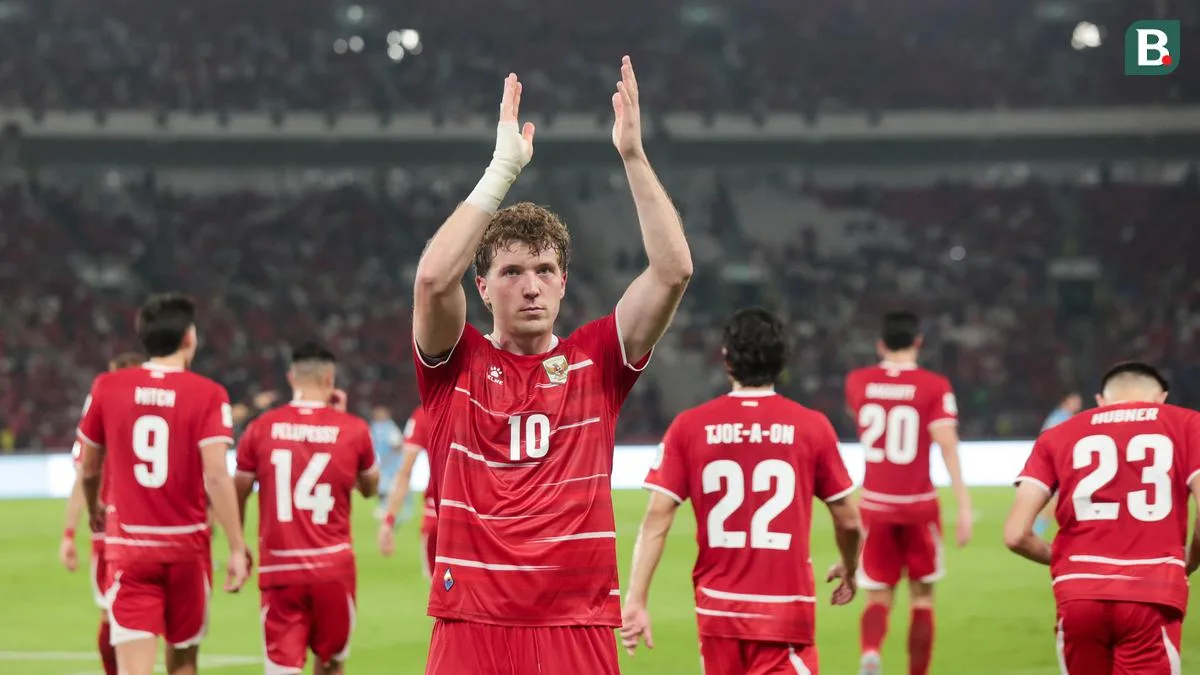
The FIFA ASEAN Cup 2026 officially kicked off in Jakarta on Friday (25/9/2026) with a significant innovation: all players listed in the matchday squad are now entitled to sing the national anthem on the pitch, not just the 11 starters. The change was first seen during the Group A opening matches between Bangladesh and Malaysia and Indonesia hosting Singapore at Gelora Bung Karno Main Stadium.
The policy mirrors the format applied at the 2026 World Cup in the United States, Canada, and Mexico a few months earlier. If the line of players singing the national anthem usually numbers 22 (two starting teams), it has now swelled to 46 players plus four match officials. The sight has become a new spectacle that draws the attention of spectators and broadcasters.
The move is not merely a ceremonial change. By involving all players, including those on the bench, FIFA appears to want to strengthen the sense of togetherness and national identity in club and international tournaments. The concept is predicted to be adopted permanently across FIFA competitions going forward, including future editions of the ASEAN Cup.
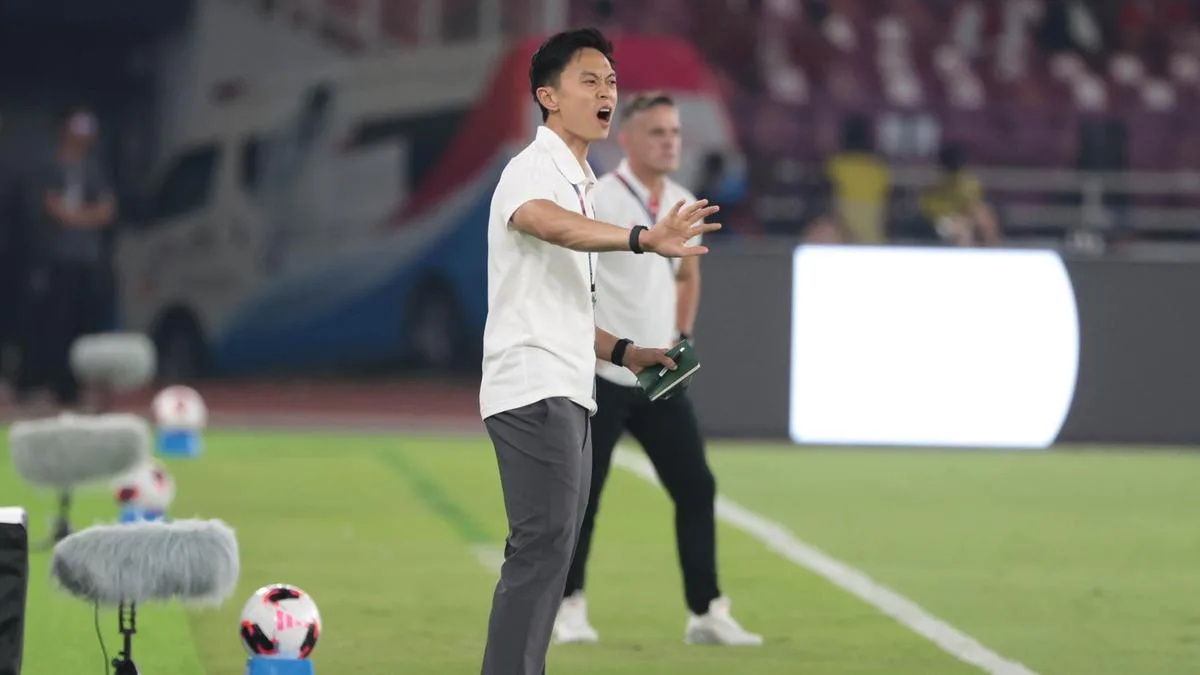
From a coaching perspective, the new format has been welcomed positively. Singapore national team coach Gavin Lee sees the FIFA ASEAN Cup 2026 as a stepping stone toward the 2027 Asian Cup. He and striker Ilhan Fandi said they were enthusiastic about facing Indonesia and experiencing the atmosphere of Gelora Bung Karno Main Stadium, which is known to be intimidating. For Singapore, the tournament is a tactical testing ground before a bigger competition.
"We use every match to build cohesion, and the atmosphere in Jakarta will be a valuable experience for the young players," Gavin Lee said, as quoted from a source.
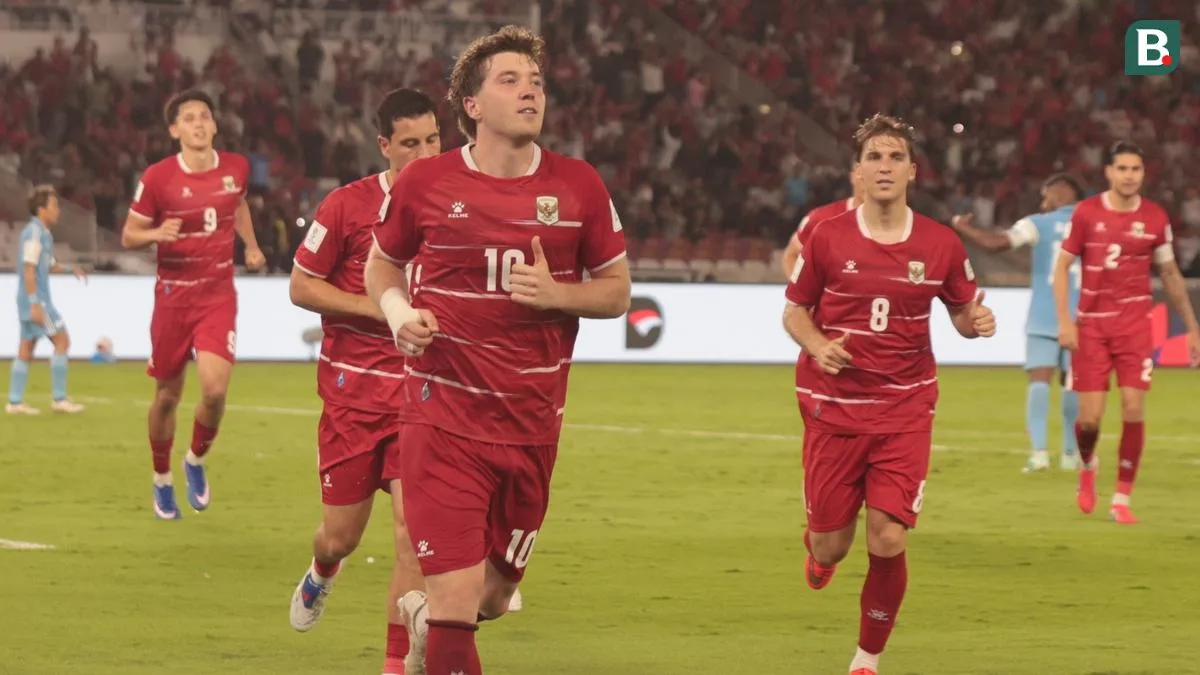
On the other side, the Indonesian national team reaped a sweet result. The 2-0 win over Singapore is valuable capital before facing the two remaining Group A matches against Malaysia and Bangladesh. Both teams are known for a physical and disciplined style of play, so the Garuda squad must not get complacent. The coach and players are expected to maintain consistency and make the most of the support from fans filling the stadium.
For the Indonesian football public, this innovation carries its own psychological impact. The moment of singing the national anthem together on the pitch can trigger players' spirit and loyalty to the red-and-white jersey. In addition, the presence of 46 players in the line creates a grander visual, potentially raising the tournament's selling value in the eyes of sponsors and broadcasters. This aligns with PSSI's efforts to improve the quality of domestic and international competitions.
Going forward, the FIFA ASEAN Cup 2026 will be a benchmark for whether this format effectively improves the match atmosphere. If successful, it is not impossible that tournaments such as the AFF Cup, the Asian Cup, and even World Cup qualifiers will adopt a similar approach. The question is, will Southeast Asian football be able to maintain the momentum and turn this innovation into a positive legacy for future generations?