Trump Warns Xi: Chinese Assistance to Iran Is Unacceptable
Baca dalam 60 detik
- Presiden AS Donald Trump menyampaikan keberatan keras kepada Presiden China Xi Jinping terkait potensi dukungan China terhadap Iran dalam konflik militer AS-Iran.
- Peringatan ini muncul saat Washington berupaya menerapkan sanksi sekunder baru terhadap Iran, yang dinilai tidak akan efektif tanpa kerja sama China.
- Pertemuan Trump-Xi menjadi ujian bagi hubungan AS-China dan dapat memengaruhi stabilitas pasokan minyak global serta kebijakan luar negeri Indonesia.
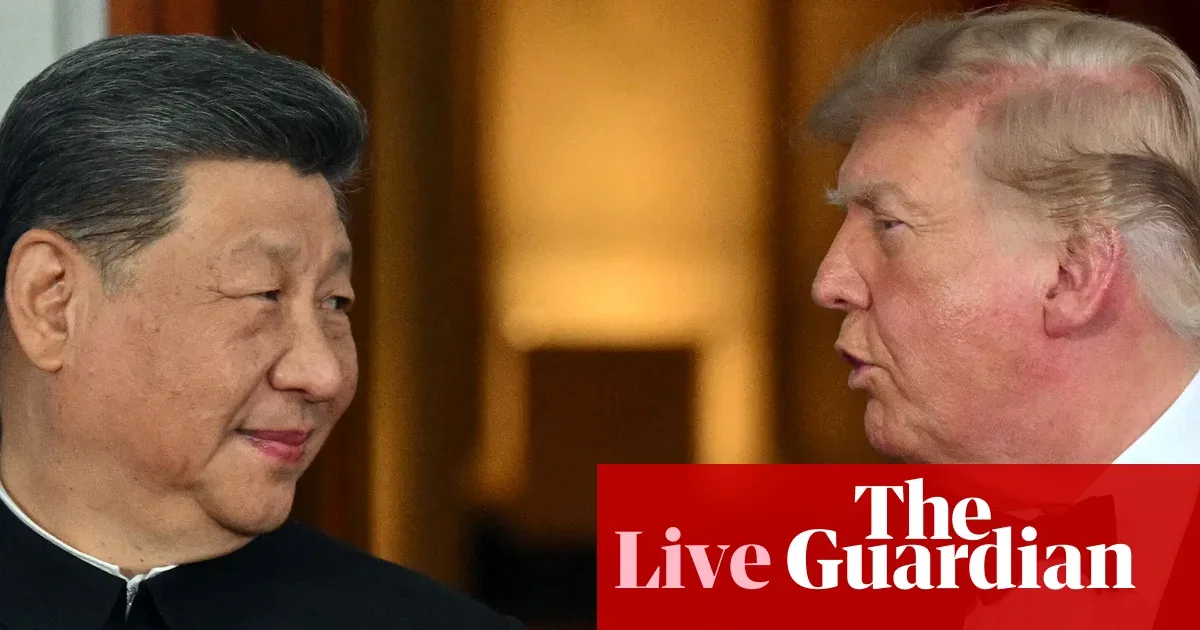
United States President Donald Trump stated firmly that China's involvement in assisting Iran during the US military campaign in that country is "unacceptable". The statement was delivered directly to Chinese President Xi Jinping in a meeting at the White House, as disclosed by a US official to CNBC, Friday (25/9).
US Ambassador to China David Perdue, in an interview with CNBC, emphasized that the message had been conveyed repeatedly. "We made it very clear several weeks ago that any assistance to Iran—whether direct or indirect, whether intelligence, spare parts, or military equipment—is completely unacceptable," he said. "President Trump reaffirmed that yesterday."
The Trump-Xi meeting took place amid Washington's effort to impose a new round of secondary sanctions on Iran. The move aims to sever Iran's remaining ties to the global economy. However, observers assess that the plan will be futile without China's support, as Beijing has long had a strategic relationship with Tehran.
In the context of bilateral relations, Trump's warning reflects rising tensions between the world's two largest economies. China has long rejected unilateral US sanctions on Iran and continues to pursue economic cooperation, including oil purchases. Beijing's stance is a test of the effectiveness of Washington's pressure on Tehran.
"We have made it very clear that any assistance to Iran, whether direct or indirect, is unacceptable," said US Ambassador to China David Perdue.
For Indonesia, this dynamic has significant implications. As an oil-importing country, tensions in the Persian Gulf can affect global crude oil prices and the stability of energy supply. In addition, Indonesia, which maintains good relations with both the US and China, needs to navigate its position so as not to get caught in an increasingly sharp geopolitical rivalry.
International relations expert from the University of Indonesia, Dr. Rizal Sukma, assesses that Indonesia must continue to encourage dialogue and diplomacy to ease tensions. "ASEAN and Indonesia have a major interest in maintaining regional stability. The escalation of the US-Iran-China conflict could disrupt trade and investment routes," he said when contacted separately.
Going forward, will China change its stance toward Iran to avoid confrontation with the US? Or will it instead strengthen its axis with Tehran? The answer to this question will determine the direction of US foreign policy in the Middle East and its impact on the global economy, including Indonesia.