Kudus Withdraws from Ghana National Team, Conspiracy Theories Swirl Amid Tottenham Crisis
Baca dalam 60 detik
- Mohammed Kudus memilih menyelesaikan pemulihan cedera di Tottenham daripada memperkuat Ghana, memicu spekulasi liar di media Ghana.
- Tottenham terpuruk di dasar klasemen Liga Primer, dan jeda internasional menjadi periode krusial bagi Roberto De Zerbi untuk membenahi tim.
- Keputusan Kudus dinilai sah oleh GFA, namun sorotan publik Ghana menyoroti komitmen pemain diaspora terhadap negara asal.
Mohammed Kudus, the Tottenham Hotspur forward, has decided not to join the Ghana national team for this international break. The decision was made to speed up his recovery from a hamstring injury that kept him out for 177 days last season. However, the move has instead triggered a wave of speculation in Ghana, with some accusing hidden motives behind the withdrawal of several star players from the Black Stars squad.
Kudus, who has played only 198 minutes this season, was actually on coach Carlos Queiroz's call-up list. But he chose to stay in London to undergo a rehabilitation program with Tottenham's medical staff. A similar decision was made by Antoine Semenyo (Manchester City) and Jordan Ayew (Sheffield United), sparking speculation that the players were reluctant to represent their country. Ghana Football Association (GFA) executive council member Frederick Acheampong strongly denied that notion.
"There are a lot of conspiracy theories and speculation about the withdrawal of the Black Stars players," Acheampong told Kessben FM. "Kudus made the request on humanitarian grounds, given that he has been injured for a long time and is now in recovery. So they have to understand it without any ill intent. In my view, this is actually an opportunity for other called-up players to shine."
For Tottenham, Kudus's decision is a blessing in itself. Coach Roberto De Zerbi clearly regards the 26-year-old as one of his main options in attack. De Zerbi even openly said he left Mathys Tel out of the squad against Aston Villa because James Maddison and Kudus were deemed more capable of changing the course of the match. With Kudus staying in London, he can train fully and speed up his recovery without having to travel far.
The crisis engulfing Tottenham is not only about injuries. The 2-3 defeat to Aston Villa in north London left De Zerbi frustrated. He admitted he struggled to understand his team's inconsistency. "Hard to accept, hard to understand, hard to explain," he told SPURSPLAY. "I have never seen one team play in two different ways in a single match." Even so, the Spurs management is reportedly not planning a coaching change during the break. However, pressure keeps mounting, and the away trip to Manchester United this weekend could determine De Zerbi's fate.
Interestingly, the name Kieran McKenna has resurfaced as a potential candidate for the coaching seat at both Tottenham and Manchester United. The former Ipswich Town coach is reportedly more inclined to wait for the right project than to accept a role at a smaller club. He was offered the Celtic job to replace Martin O'Neill but declined because he aspires to coach a big six club. If De Zerbi fails to lift Spurs, McKenna could be a serious option.
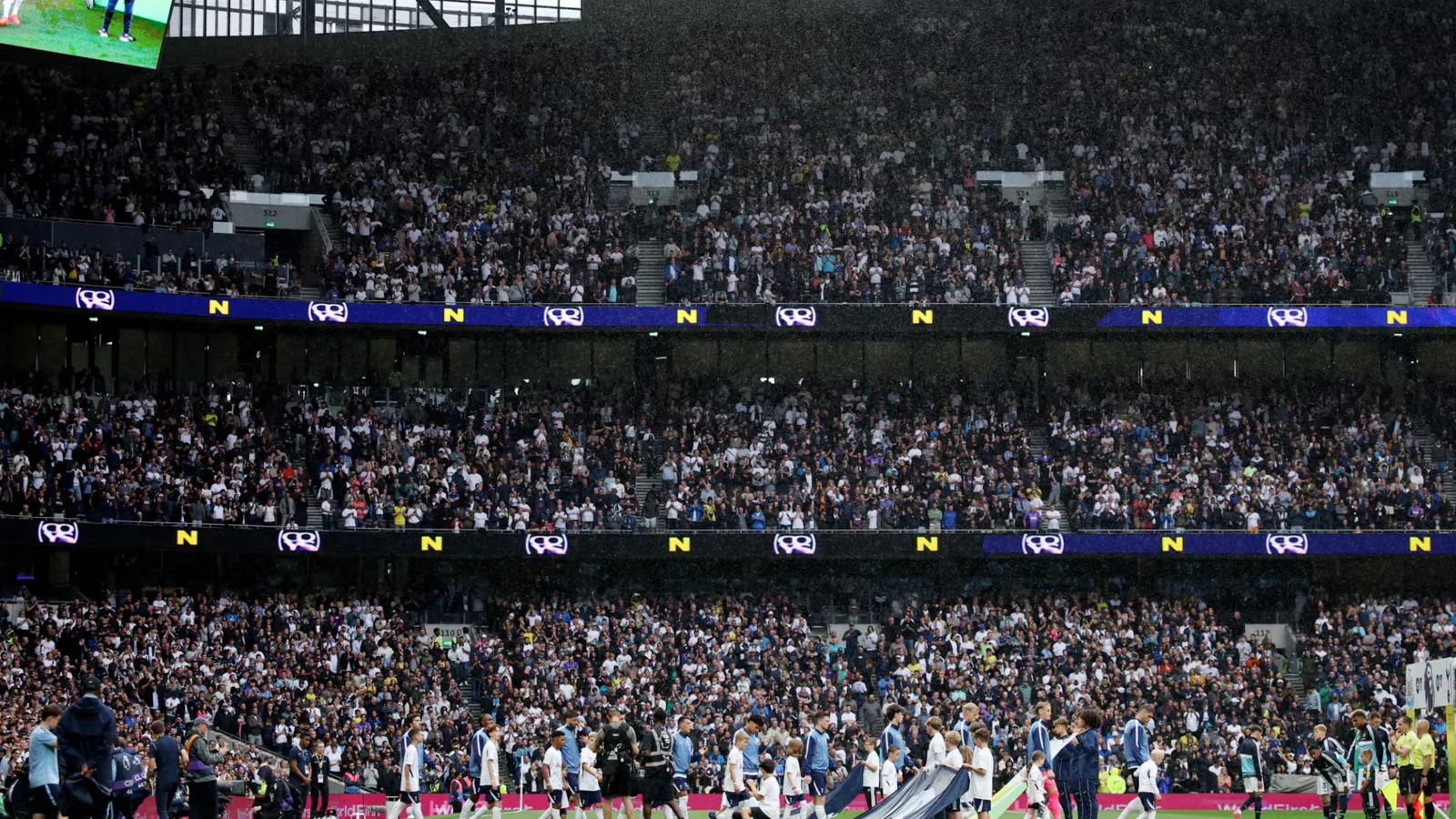
The international break is often a double-edged sword. On one hand, the three-week window gives coaches room to fix tactics and recover players. On the other, clubs lose control over the condition of players representing their countries. Tottenham can at least breathe a sigh of relief because Kudus is not going. However, De Zerbi still has to rack his brains to overcome the slump. A tough October schedule—against Manchester United, Coventry, Chelsea, and Crystal Palace—will determine whether he is still fit to lead Harry Kane and company.
For Indonesian football fans, the Kudus case mirrors how public and media pressure in a player's home country can influence his decisions. In Indonesia, similar issues often arise when overseas players choose to skip the national team due to injury or club needs. Going forward, communication management between federations, players, and clubs will be key to avoiding unnecessary polemics. Will Ghana learn from this case, or will it become even more divided? Time will tell, but one thing is certain: Kudus now has a golden opportunity to prove his loyalty to Tottenham on the pitch.