Joe Harkness, Author of 'Bird Therapy', Dies at 39: A Legacy of Nature Therapy for Mental Health
Baca dalam 60 detik
- Joe Harkness, penulis dan guru asal Norfolk, Inggris, tutup usia 39 tahun setelah lama bergulat dengan depresi.
- Buku 'Bird Therapy' dan 'Neurodivergent, By Nature' menginspirasi pemanfaatan alam sebagai terapi pendamping gangguan mental dan neurodivergensi.
- Karyanya membuka diskusi tentang keterbatasan layanan kesehatan mental dan potensi terapi berbasis alam di Indonesia.
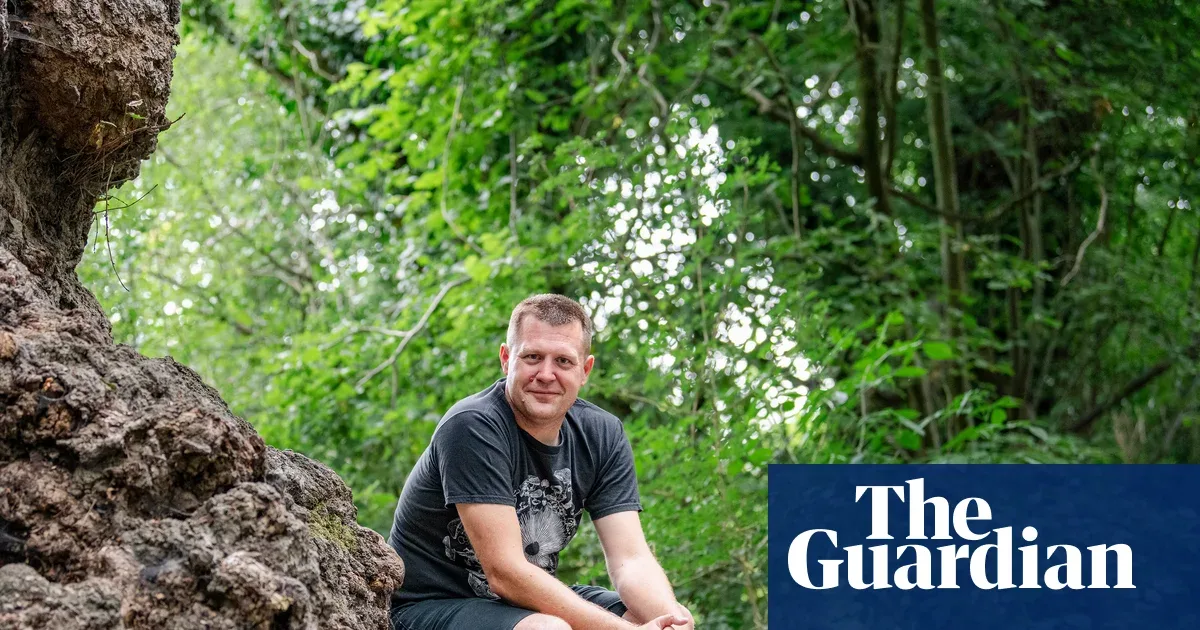
Joe Harkness, a writer, teacher, and naturalist from Norfolk, England, has died at the age of 39. He was widely known as a tireless advocate for using wild nature as a means of easing depression and helping anyone, especially neurodivergent individuals, find calm and joy.
The news emerged two weeks before the 2026 Wainwright Prize ceremony, where his latest book, Neurodivergent, By Nature, was shortlisted in the conservation writing category. The book was also nominated for the East Anglian Book Awards. Harkness leaves behind his wife, Emma, and two daughters.
Born in King's Lynn, Norfolk, Harkness was raised by his mother, who worked as an administrator. He said he inherited his love of nature from his grandfather. At school, he was often seen as a naughty child and was never diagnosed with ADHD until adulthood. "I was just flying under the radar, like so many other children of my generation," he wrote in Neurodivergent, By Nature. He later fell into drug and alcohol abuse, which contributed to his chronic anxiety.
The turning point came in 2013. After a suicide attempt was prevented, Harkness suffered severe mental distress and took three weeks off work. While walking in the countryside with Emma, his future wife, he saw a pair of common buzzards dancing above the trees. That experience sparked his love of birdwatching. He quit alcohol and drugs entirely, then began pursuing birdwatching seriously. His ability to identify birds by sound and flight pattern impressed his naturalist friends.
Harkness poured his recovery story into the Bird Therapy blog and a Twitter account. A follower suggested the blog be turned into a book. Publisher Unbound asked him to raise £18,500. "It absolutely terrified me," he recalled. But the funds were raised in just five weeks. Bill Bailey donated £1,000, Chris Packham wrote a foreword saying the book would save lives, and Stephen Fry and novelist Melissa Harrison offered their support. Bird Therapy was published in 2018 and became a great success, translated into five languages. Many readers said they owed their lives to it.
Even so, Harkness felt disillusioned with the nature writing community he called a "guild". He found his peers competitive and self-obsessed. Social media only worsened his anxiety. "The more open I was on social media, the fewer people interacted. If you're already struggling with self-esteem, being there is truly agonizing," he said in 2020. He then closed all his accounts.
Harkness chose instead to focus on his family and his work as a special needs teacher at Cromer Academy, then as a senior teacher at Parkside, Norwich, teaching students with autism, ADHD, Down syndrome, and learning disabilities. In 2023, he wrote Inside/Outside, a nature-themed resource book to improve emotional literacy. His students remembered him as warm, inclusive, and full of empathy.
He only received his ADHD diagnosis in 2022 after waiting more than three years. "The whole idea completed me," he wrote. The diagnosis opened access to treatment and led to Neurodivergent, By Nature (2025), which explores the link between neurodivergence and nature, and interviews neurodivergent conservation advocates. The book is a call for neurodivergence to be embraced in order to restore biodiversity.
Harkness's story highlights the importance of early intervention and non-pharmacological therapy alternatives for mental disorders. In Indonesia, where awareness of mental health and neurodivergence remains low, an approach like his can be an inspiration. Data from the 2018 Basic Health Research (Riskesdas) shows the prevalence of depression in Indonesia reached 6.1% for those aged 15 and above, while access to psychologist services remains limited. Nature-based therapy, such as birdwatching or gardening, can be a cheap and easily accessible complement.
Moreover, stigma against ADHD and other neurodivergent conditions remains strong. Many children in Indonesia experience a fate similar to Harkness's: seen as naughty, left undiagnosed, and eventually dropping out of school. His work reminds us that a supportive environment and exposure to nature can help them discover their potential.
Harkness had completed a major revision of Bird Therapy, which Bloomsbury will publish next year. His legacy is not only books but also a movement pushing for the integration of nature into mental health. Will Indonesia begin to look at green therapy as public health policy?