Michael Kiwanuka Cannot Go Home After Stroke, Still Writes Songs and Sings
Baca dalam 60 detik
- Michael Kiwanuka mengalami stroke akibat hipertensi tak terdiagnosis dan harus menjalani perawatan intensif selama lima bulan.
- Ia menjalani rehabilitasi di Hampshire, Inggris, dan masih belum bisa pulang ke rumah.
- Kiwanuka mendorong kesadaran pria kulit hitam untuk memeriksakan tekanan darah dan tetap produktif menulis lagu.
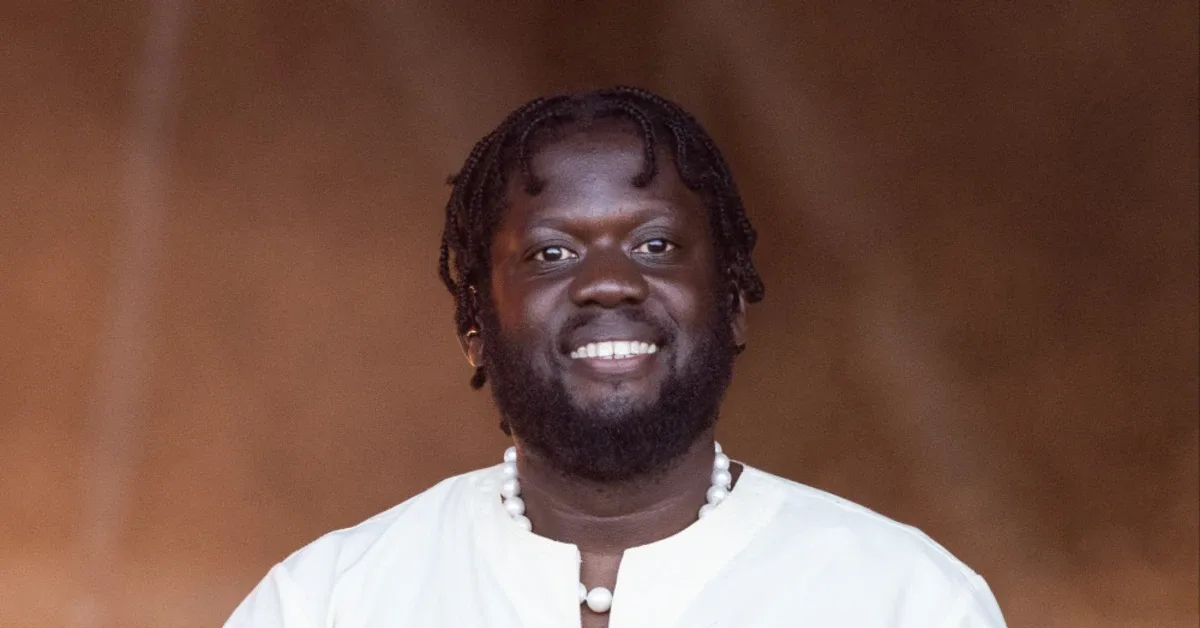
Singer and songwriter Michael Kiwanuka has not been able to return home after suffering a stroke earlier this year. He is still undergoing recovery at a rehabilitation center in Hampshire, England, after previously receiving intensive care for five months.
The stroke he suffered was caused by undiagnosed high blood pressure. The condition forced him to undergo emergency surgery and treatment in an intensive care unit. Now, in his first interview since the incident, Kiwanuka revealed that he faces uncertainty over his music career, but is still trying to recover by writing lyrics and singing as part of his therapy.
In an interview with The Guardian, the singer of "Cold Little Heart" said he undergoes rehabilitation sessions every day, which are sometimes exhausting. "A lot of stretching and getting my body back into shape," he said. He also explained that the brain injury affected the neural pathways to several parts of his body, so he has to retrain those functions. His speaking volume was once very low due to a breathing tube that affected his vocal cords, and he had to rebuild his vocal strength.
Even so, Kiwanuka found strength in music. He sang many Bob Dylan and Beach Boys songs, and wrote lyrics in a notebook. "There are days of hope, anger, sadness, loss, and grief. But feeling emotions so deeply feels therapeutic, and crying is quite calming," he said. He stressed that a stroke can take away many things, but it cannot take away his songs. "Who I am is still in those songs and in that music," he added.
Kiwanuka also highlighted the importance of health awareness, particularly among Black men who are considered more vulnerable to high blood pressure. He admitted he was unaware of his health condition before the stroke occurred. "If I had known, I would have gotten checked and taken medication to lower my blood pressure. I would not have had a stroke. So I want to make Black people aware that you could be at risk," he said.
Kiwanuka's story serves as a reminder of the importance of early detection of hypertension, which is often called the "silent killer" because it rarely causes symptoms. In Indonesia, hypertension is also a major health problem with a prevalence that continues to rise. Awareness of risk factors and the importance of routine check-ups are key to preventing stroke and other cardiovascular diseases.
Going forward, Kiwanuka hopes to return to the music world and continue creating. Although his future remains uncertain, his passion for making music still burns. "I still have the drive to create good music like I once did," he concluded.