When a Surgeon Dropped a Patient's Skull Bone: The True Story Behind a 16-Hour Operation
Baca dalam 60 detik
- Seorang perempuan Inggris mengalami stroke akibat malformasi arteriovenosa (AVM) yang ruptur di otak, memicu operasi berisiko tinggi selama 16 jam.
- Insiden tak terduga terjadi saat tim bedah menjatuhkan fragmen tulang tengkorak pasien ke lantai, memaksa mereka mempertimbangkan pencetakan 3D sebelum akhirnya membersihkan dan mengembalikannya.
- Kisah ini menyoroti pentingnya advokasi pasien dan keterbatasan sistem layanan kesehatan dalam mendeteksi kondisi langka seperti AVM.
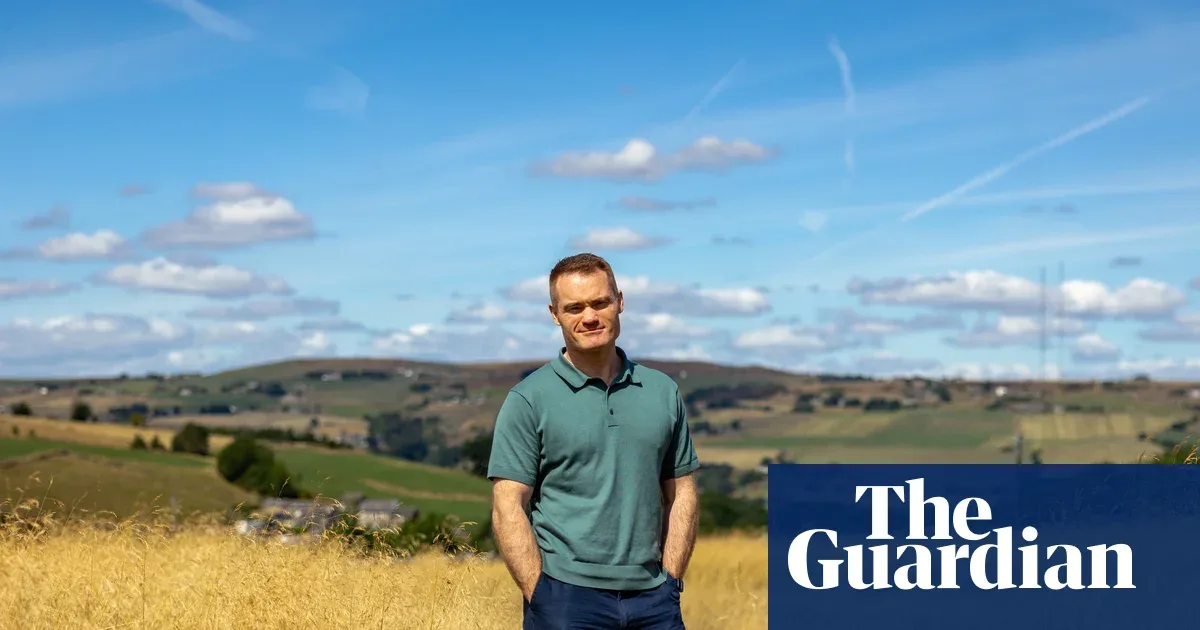
In May 2017, a healthy 34-year-old woman suddenly experienced paralysis in her left leg while exercising at the gym. What was initially thought to be a mild stroke turned out to be a ruptured arteriovenous malformation (AVM) — a tangle of abnormal blood vessels in the brain. This rare condition triggered a series of dramatic medical events, including a high-risk 16-hour operation involving three neurosurgeons, as well as an unexpected incident: part of her skull bone fell to the floor.
AVM itself is a rare vascular disorder, with a prevalence of about 1 per 100,000 people. According to data from the National Institute of Neurological Disorders and Stroke, about 50% of AVM cases are first detected through brain hemorrhage. The complexity of an AVM is measured using the Spetzler-Martin scale; this patient was grade 4, which is usually considered too risky for surgery. However, because she was still young and the risk of life-threatening rebleeding was high, the medical team decided to take surgical action.
The incident of the skull bone falling to the floor became a focal point. The surgeons initially considered printing a replacement bone using 3D printing technology and implanting it several months later. However, they ultimately chose to clean the bone fragment and give additional doses of antibiotics to prevent infection. According to a neurosurgeon at Rumah Sakit Cipto Mangunkusumo, dr. Agus Setiawan, Sp.BS, such an event is very rare, but not impossible. "Sterility protocols in the operating room are very strict. If there is contamination, the medical team must evaluate the risk of infection and consider the best options, including printing a new bone," he said when contacted by LyndHub.
This story also highlights the importance of patient advocacy. The patient's partner, Luke, who works as an ICU nurse, played a crucial role by demanding a repeat scan after the initial MRI results went missing. Without that insistence, the patient might have been given blood thinners that could have been fatal. In Indonesia, awareness of patient advocacy remains low. Data from the Ministry of Health shows that only about 30% of patients actively ask about their diagnosis and treatment options. "Patients and families need to dare to ask questions and seek a second opinion, especially for rare conditions," added dr. Agus.
From a health system perspective, this case reflects challenges also faced by Indonesia: limited resources and coordination between health facilities. In the UK, this patient had to wait two months for surgery because of the need for a multidisciplinary team. In Indonesia, the queue for neurosurgery at major referral hospitals such as RSCM can reach several weeks to months, depending on the level of urgency. According to 2023 Ministry of Health data, the ratio of neurosurgeons in Indonesia is only 0.03 per 100,000 population, far below the ideal standard of 0.5 per 100,000. This limitation lengthens waiting times and increases the risk of complications.
Nevertheless, this patient's story has a happy ending. She recovered gradually, although she still experiences proprioception problems in her left leg and cannot drive a manual car. She and Luke married in 2021. Interestingly, her surgeon now uses her case as evidence that grade 4 AVMs can be successfully removed. "I never felt sorry for myself. I am very grateful," she said. Research shows that survivors of life-threatening situations often report higher levels of happiness, a phenomenon known as post-traumatic growth.
Going forward, this case could encourage discussion about safety protocol standards in the operating room and the use of technologies such as 3D printing for bone reconstruction. In Indonesia, adoption of this technology is still constrained by cost and facility availability. However, with the rising number of AVM cases and other neurovascular disorders, investment in medical technology and specialist training is becoming increasingly urgent. Will Indonesia's health system be able to keep up with these developments?