Luxury Apartments Become Havens for Corrupt Money, Why Are They Hard to Detect?
Baca dalam 60 detik
- Penyidik menemukan bahwa unit apartemen di kawasan elite kerap disewa khusus untuk menyimpan uang tunai dan logam mulia hasil korupsi.
- Akses terbatas dan interaksi sosial yang minim membuat apartemen ideal sebagai ruang isolasi informasi rahasia.
- Pengungkapan kasus OTT KPK senilai Rp106,3 miliar menyoroti perlunya pengawasan aset properti yang lebih ketat.
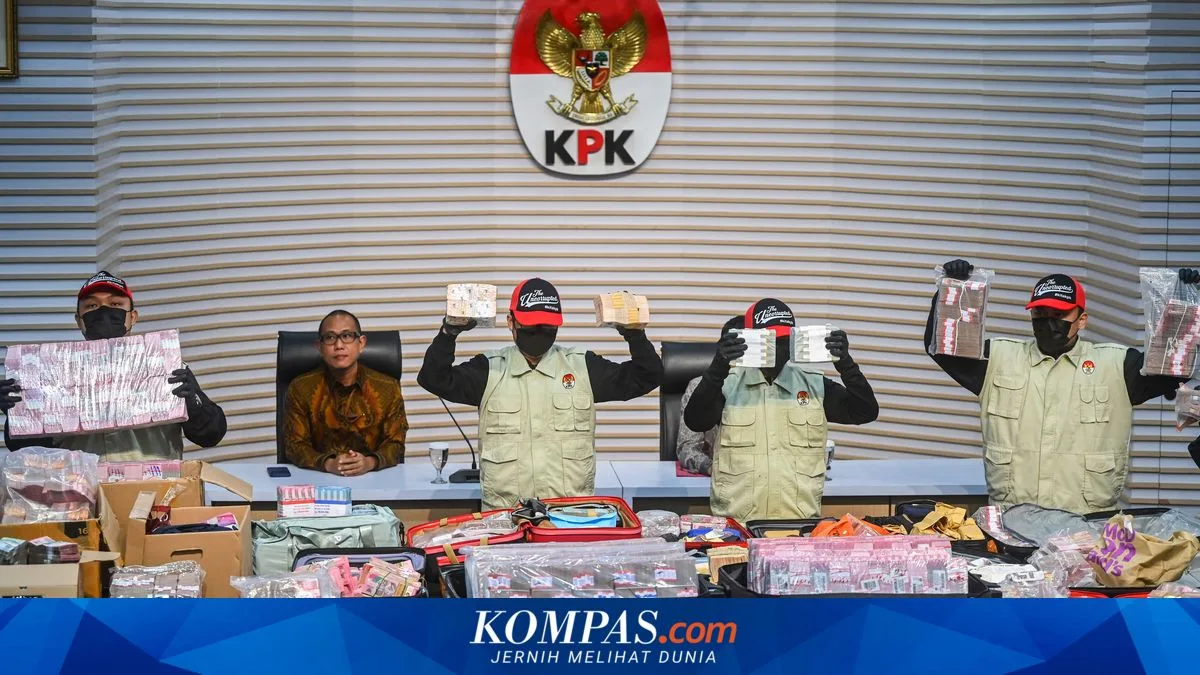
Investigators from the Corruption Eradication Commission (KPK) have once again uncovered a scheme for hiding proceeds of corruption behind the walls of luxury apartments. In a sting operation (OTT) related to alleged bribes in the processing of Building Use Rights (HGB) in Bogor Regency, investigators seized Rp106.3 billion in cash. The finding confirms that vertical residential units in elite areas have long been a favorite choice for perpetrators to disguise illicit assets.
This phenomenon is not merely about physical security. Apartments offer layered privacy that is hard to penetrate: strict access card controls, minimal interaction between residents, and security systems that tend not to be suspicious of residents' activities. These characteristics are exploited to isolate the presence of cash and precious metals from social radar and the banking system.
According to several observers, this pattern shows a shift in how corrupt actors manage risk. They no longer simply hoard money in accounts or safe deposit boxes, but create private spaces that are psychologically and physically separated from daily life. In many cases, apartment units are rented through intermediaries—drivers, aides, or close relatives—so the trail of true ownership becomes increasingly blurred.
From a communication perspective, hiding money in apartments can be read as an effort to manage high-risk private information. The Communication Privacy Management theory developed by Sandra Petronio (2002) explains that every individual has privacy boundaries that must be maintained. When sensitive information is shared with another party—for instance, when renting a unit under the name of a trusted person—that party automatically becomes a co-owner of the secret. That is why corrupt actors tend to establish strict rules: who holds the key, when the apartment may be visited, and what excuse is used if officers ask questions.
For Indonesia, this disclosure is an alarm for property asset oversight. So far, apartment rental transactions have often escaped monitoring because they do not go through a notary or financial transaction reports. Yet the pattern of storing fantastical amounts of cash in residential units has the potential to harm the state and complicate asset tracing. The Financial Services Authority (OJK) and the Financial Transaction Reports and Analysis Center (PPATK) need to strengthen synergy with apartment managers to detect anomalies, for example units that are rarely occupied but frequently receive short visits.
"Apartments become spaces that seem immune from social oversight. This is what makes them effective as places to hide illicit assets," said an anti-corruption policy analyst who asked to remain anonymous.
Going forward, combating corruption cannot rely solely on sting operations. Regulations are needed to require reporting of apartment residents, layered verification of tenant identities, and periodic audits of suspicious units. Without that, luxury apartments will continue to be safe havens for dirty money, while law enforcement struggles to break through the walls of privacy deliberately built around them.