The Fed Proposes Two Rules to Implement the GENIUS Act, Stablecoin Oversight Enters Final Phase
Baca dalam 60 detik
- The Federal Reserve has proposed two regulations to implement the GENIUS Act, opening a 60-day public comment period.
- The rules cover reserve and capital requirements for stablecoin issuers and procedures for banks to issue their own tokens.
- The Fed's approach aligns with the OCC's stance on banning interest payments to stablecoin holders, but allows limited rewards.
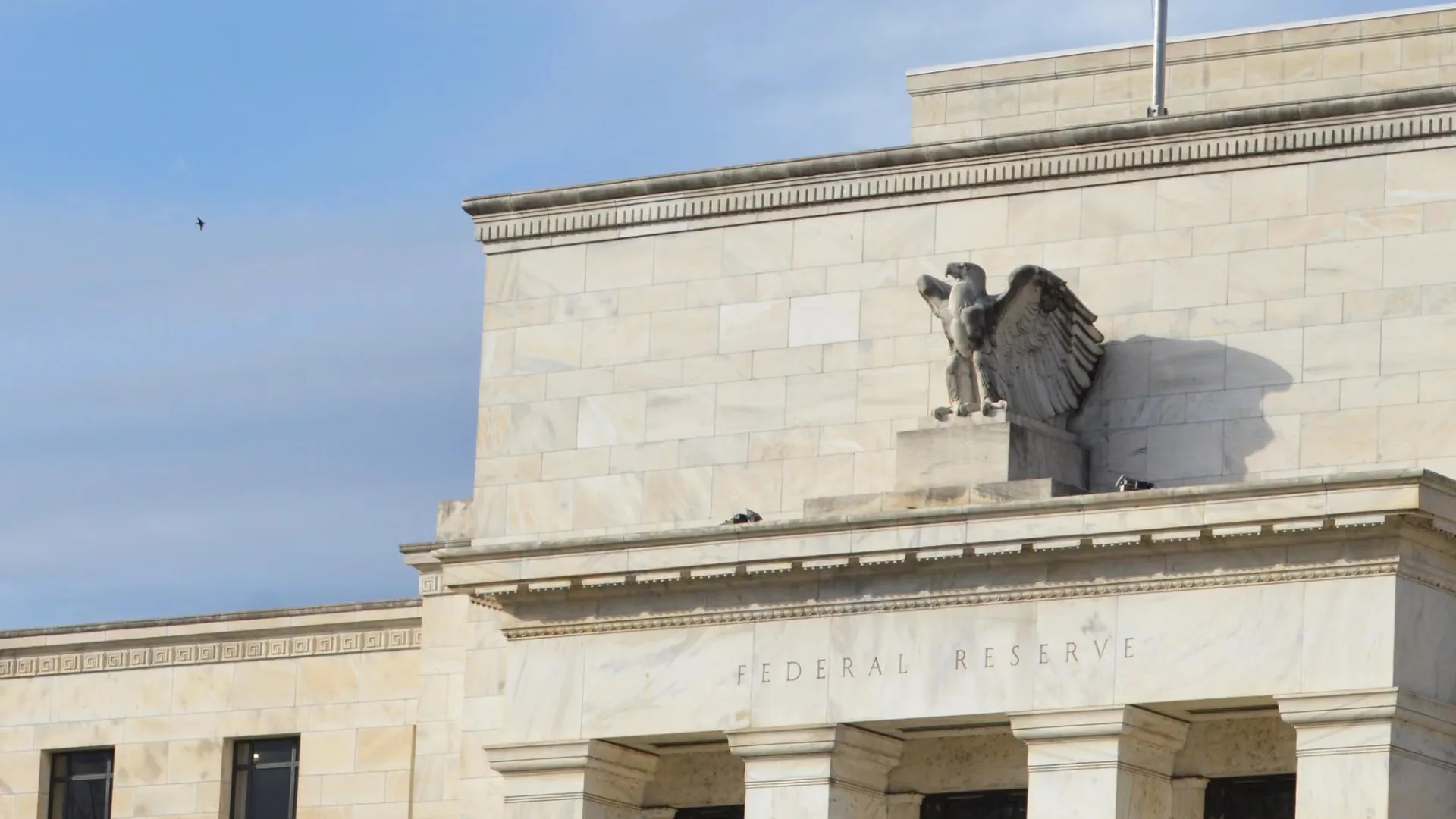
The U.S. Federal Reserve on Thursday introduced two draft regulations to carry out its responsibilities under the Guiding and Establishing National Innovation for U.S. Stablecoins (GENIUS) Act, a law that mandates multiple federal agencies to establish a supervisory framework for stablecoin issuers. The proposals are now open for a 60-day public comment period, marking a critical step toward finalizing rules that will shape the legal infrastructure for dollar-pegged digital assets.
The first proposal addresses capital and reserve requirements, aiming to ensure that stablecoins are backed by highly liquid assets and that issuers maintain a robust financial foundation during periods of market stress. It also defines permissible stablecoin-related activities for banks under the Fed's supervision, and includes provisions on whether issuers can offer rewards to token holders. The second proposal outlines the application process for regulated banks seeking to issue their own stablecoins, requiring submission of a business plan, financial statements, and relevant policies and procedures.
These proposals follow similar efforts by other agencies. The Office of the Comptroller of the Currency (OCC) previously proposed rules to enforce the GENIUS Act's prohibition on paying interest or yield on stablecoins. The Fed's approach mirrors that stance, stating that certain third-party arrangements would be presumed to be prohibited payments of interest or yield. However, the agencies appear to permit a narrow exception for rewards programs similar to credit card incentives, a contentious issue that contributed to the failure of the Digital Asset Market Clarity Act.
"Stablecoins will only be stable if they can be reliably and promptly redeemed at par in a range of conditions," said Fed Governor Michael Barr. "This includes during market stress, when pressure can be put on the value of even otherwise liquid government debt, and during episodes of strain on the individual issuer or its related entities."
The GENIUS Act, passed last year, required banking regulators and the Treasury Department to finalize regulations by July 2026. While the agencies have missed that deadline, they have accelerated their work in recent months. The Treasury Department proposed its own definitions last month, and the Federal Deposit Insurance Corporation (FDIC) began its rulemaking process in December. In June, multiple agencies proposed requiring stablecoin issuers to identify users in the same manner as other regulated financial institutions.
For Indonesia, the Fed's move signals a tightening of global standards for stablecoin issuance, which could influence local regulators as they develop their own framework for digital assets. Bank Indonesia and the Financial Services Authority (OJK) have been monitoring international developments, and the GENIUS Act's emphasis on reserve backing and issuer oversight may serve as a reference for future regulations in the archipelago. As stablecoins gain traction in cross-border payments and remittances, clearer rules from the U.S. could accelerate institutional adoption in Asia-Pacific, including Indonesia.
Market participants are now awaiting the final rules, which could take months to be published after the comment period. The outcome will determine how much flexibility crypto platforms like Coinbase have in offering rewards, and whether banks will actively enter the stablecoin market. With the GENIUS Act now the primary law governing stablecoin rewards, the Fed's proposals will set a precedent for other jurisdictions. Will Indonesia follow suit with its own stablecoin regulations, or will it take a more cautious approach?