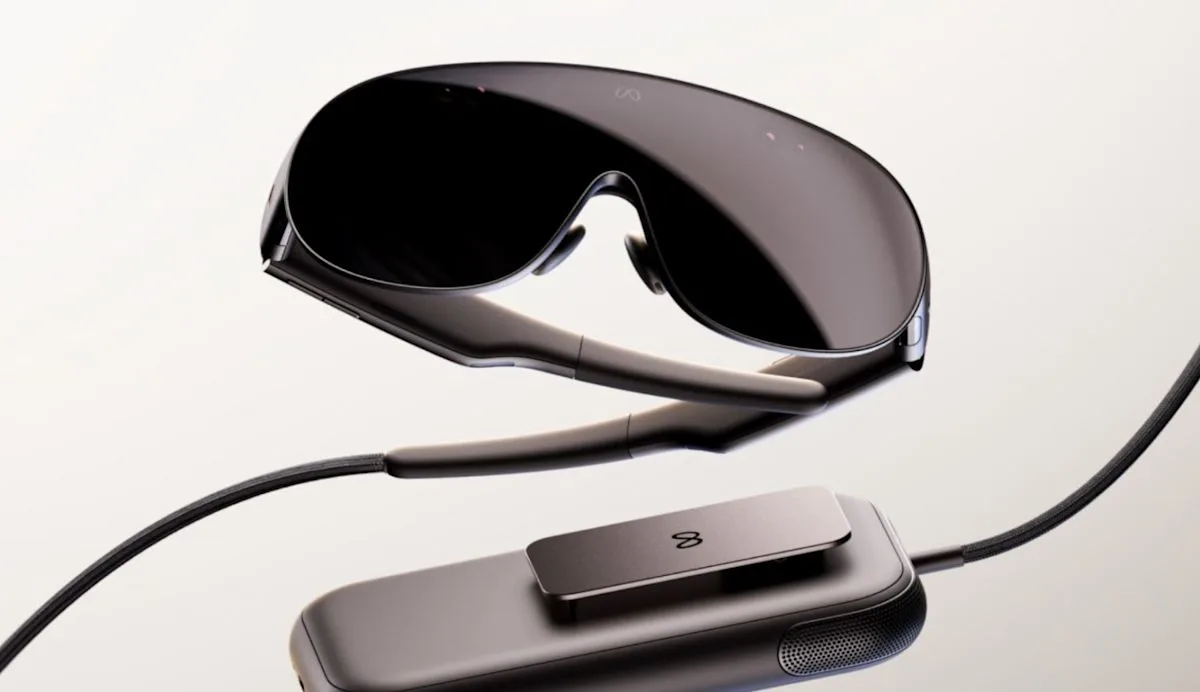
Meta Releases Camera-Free Audio Glasses, but Privacy Concerns Remain
Baca dalam 60 detik
- Meta memperkenalkan Ray-Ban Meta Audio tanpa kamera, lebih ringan, dan fitur bantuan dengar bersertifikat FDA.
- Langkah ini dinilai sebagai upaya Meta membersihkan citra kacamata pintar yang kerap disalahgunakan untuk merekam orang tanpa izin.
- Meski menawarkan opsi bebas kamera, Meta tetap merilis model kamera generasi baru, sehingga persoalan privasi belum terselesaikan.
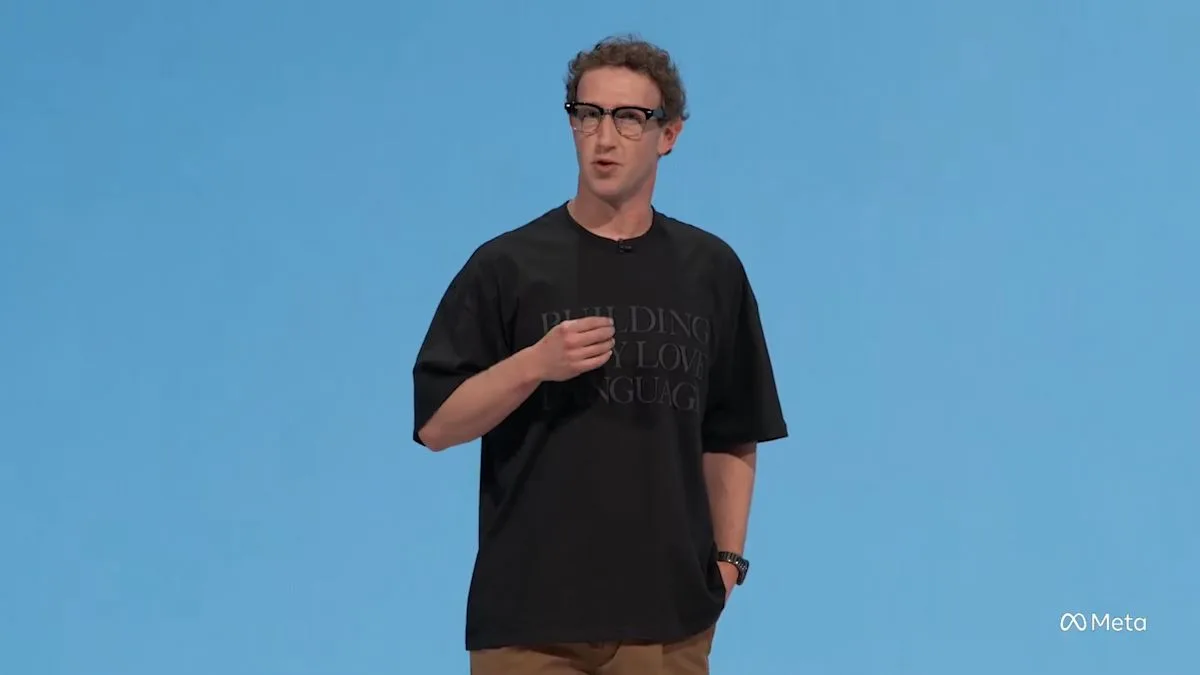
Meta officially launched its latest smart glasses at the Meta Connect event on Wednesday (18/9). This time, the company led by Mark Zuckerberg introduced Ray-Ban Meta Audio, camera-free glasses that are lighter and designed to accompany everyday activities. The move is seen as a response to long-standing criticism over the misuse of camera glasses to record people without consent.
The new product weighs only 43 grams, has battery life of up to 12 hours, and lets users listen to music without headphones and interact with Meta's latest AI agent, Muse. It is available in 23 color and lens combinations, including two new styles: Clubmaster and Burbank. The glasses can be pre-ordered for USD 349 and will begin shipping on 13 October.
In addition, Meta introduced a paid hearing enhancement feature that turns the glasses into FDA-certified hearing aids for mild to moderate hearing loss. Zuckerberg said the feature has the potential to change many people's lives. In the launch video, fashion designer Lindsay Jones described her experience using the glasses to help with her declining hearing in her left ear, especially in noisy environments.
Despite offering a camera-free option, Meta has not abandoned camera-equipped devices. At the same event, the company launched the third-generation Ray-Ban Meta at USD 499 with better battery and microphones, plus 27 color and lens combinations. These glasses will be able to record video with Dolby Atmos spatial audio. Meta also updated its cheaper Meta Glasses line, starting at USD 249, with a Kylie Jenner edition variant and two frames in collaboration with Blackpink singer Lisa, each at USD 399. The Ray-Ban Display glasses will also go on sale online in the US starting at USD 799.
The launch shows Meta's effort to expand the smart glasses market by offering a range of style and function options. However, some observers say the move does not address the root problem: the misuse of camera glasses to record people without permission, which often affects women and children. Several jurisdictions in the US, including New York, have banned the use of smart glasses in courthouses. Meta itself released a fix in August to close a recording loophole involving a covered indicator light, and in July, Instagram head Adam Mosseri said the platform would block users who upload harassment videos, although reports say such content is still circulating.
"When we tested this, it became clear that it has the potential to change many people's lives," Zuckerberg said at the launch of the hearing aid feature.
For Indonesia, the arrival of these camera-free smart glasses could be a breath of fresh air amid global concerns over privacy violations. However, regulatory challenges still loom. To date, Indonesia has no specific rules governing the use of smart glasses, especially those equipped with cameras. If these devices enter the domestic market, the government needs to consider stricter personal data protection, in line with the newly effective Personal Data Protection Law. On the other hand, the FDA-certified hearing aid feature could be a solution for people with hearing loss in Indonesia, where access to hearing aids remains limited and expensive.
Meta remains the market leader in smart glasses with a share far exceeding its competitors. However, competition will heat up with the arrival of Snap Specs AR (USD 2,200) as well as planned offerings from Google, Apple, and Samsung that are expected to follow soon. The question is whether Meta's strategy of emphasizing style and function without a camera is enough to ease privacy concerns, or whether it is merely a distraction from a more fundamental problem. Time will tell, but Meta's move this time at least shows that it is starting to listen to criticism.